Front-Loading to Beat Tariffs Drives China’s Unexpected April Export Surge
China’s official customs data released on May 9, 2025, reveal a surprising 8.1% jump in exports for April compared to the previous year, far outpacing the 1.9% growth economists predicted.
This robust headline figure, while tempered by the usual caution surrounding official Chinese data, conceals a significant reshaping of global trade flows amid the escalating U.S.-China tariff conflict.
In early April, the US slapped tariffs of at least 145% on most Chinese imports. China retaliated with tariffs of 125% on US goods.
Both sides carved out exceptions for key products like smartphones and computers, but the bulk of trade faced steep new barriers.
As a result, Chinese exports to the US plummeted by 21% in April, while imports from the US fell by nearly 14%.
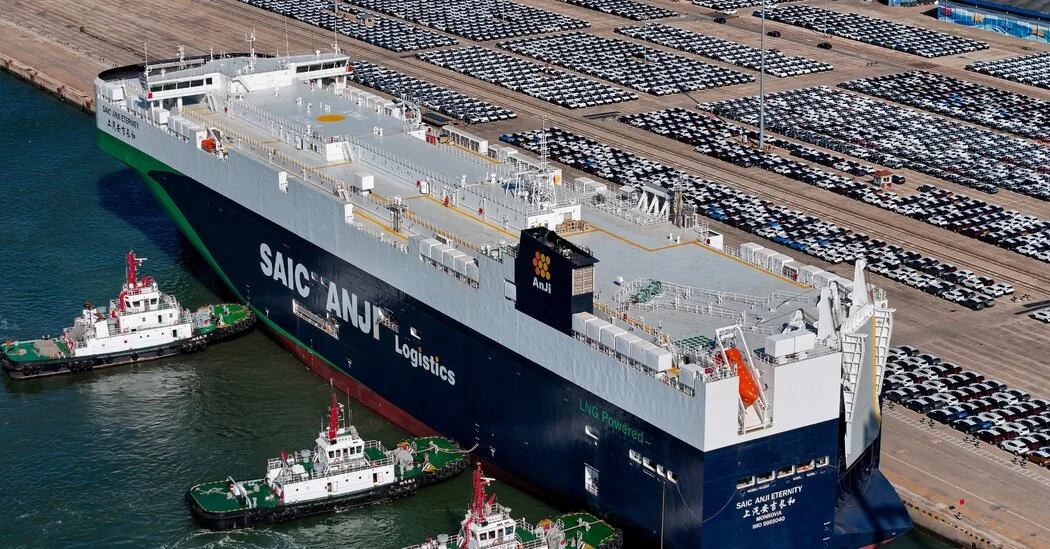
Behind the headline export surge lies a rush by Chinese companies to ship goods before the tariffs hit.
Exporters accelerated deliveries in March and early April, pushing March’s export growth to a remarkable 12.4%.
This front-loading created a temporary lift in export numbers, as both Chinese and US firms raced to beat the tariff deadlines.
US businesses also built up inventories ahead of the price hikes, further inflating trade figures. As direct shipments to the US dropped, Chinese exporters quickly shifted focus to other markets.
Exports to Southeast Asian countries soared by about 21% in April, and sales to the European Union rose by 6%.
The World Trade Organization expects Chinese exports to Europe to keep rising this year, as US-bound goods find new destinations.
Front-Loading to Beat Tariffs Drives China’s Unexpected April Export Surge
This trade diversion means that while US-China trade shrinks, other regions absorb more Chinese products.
Chinese manufacturers also use Southeast Asia as a hub, sometimes routing goods through countries like Vietnam and Thailand to bypass tariffs or fulfill contracts signed before the new rules.
This practice, known as transshipment, helps Chinese firms maintain export volumes even as direct US shipments fall.
Engines of Excess: Trump’s Tariffs Set China’s Flood Upon Us All
However, the underlying picture for China’s economy is less rosy. Manufacturing activity in China fell to its lowest level in 16 months in April, signaling stress from the trade conflict.
The US economy also slowed in the first quarter, partly because firms stockpiled goods in anticipation of tariffs.
The trade war’s impact extends beyond China and the US. High tariffs on Chinese goods push global companies to rethink supply chains, shifting production to Southeast Asia and other emerging markets.
The US is also pressuring trading partners to limit Chinese content in goods they export to America, trying to close loopholes.
China’s export numbers for April show resilience, but the data reflect a short-term rush rather than lasting strength.
As the effects of tariffs deepen, both countries face slower trade and economic uncertainty. The global trading system is adjusting to new barriers, with China’s export success now relying more on alternative markets and quick adaptation than on the US market itself.
This article was produced by The Rio Times’ automated newsroom system. How we use AI · Report an error · Editorial responsibility: Matthias Camenzind, Editor-in-Chief