A Fernanda Torres Book Tip Went Viral in Brazil. We Could Not Verify It
Brazil
Key Facts
—The book ‘1177 a.C.: O Ano em que a Civilização Entrou em Colapso’ by US archaeologist Eric H. Cline, first published by Princeton University Press in 2014 and issued in Brazil by Avis Rara in 2023. It is not a new release.
—The ranking The Rio Times could not confirm the reported chart rise. VEJA’s nonfiction top ten published on 27 July 2026 runs Tamara Klink’s ‘Bom dia, inverno’ at one, Machiavelli’s ‘O Príncipe’ at two and Gregório Duvivier’s ‘Aos pés da letra’ at three. Cline’s book does not appear in it, nor in the previous week’s list, nor on the Nielsen/PublishNews chart.
—The recommendation Reported as two Instagram videos posted by Fernanda Torres on 19 July. We were unable to find the posts or any independent report of them.
—What is confirmed Christopher Nolan’s ‘The Odyssey’ opened on 17 July 2026 and passed US$700 million worldwide within twelve days. Homer’s ‘Odisseia’ is not in VEJA’s nonfiction or fiction top ten.
—Torres herself She won the Golden Globe for Best Actress and was Oscar-nominated for ‘I’m Still Here’, which won Best International Feature. She has published three books of her own, the last in 2017.
Readers in Brazil have been passing around a report that the actress Fernanda Torres sent a dense work of ancient history – the Portuguese edition of Eric H. Cline’s ‘1177 B.C.: The Year Civilization Collapsed’ – racing up the country’s bestseller lists. The Rio Times has not been able to confirm it. The book does not appear on VEJA magazine’s published nonfiction top ten, nor on the industry-standard Nielsen list, and we could not locate the videos said to have started it. What follows sets out what is verified and what is not, because the underlying question – how much a single trusted voice can move a book in Brazil – is a real one.
The ‘Fernanda Torres Book’ Phenomenon Explained
The book that has suddenly appeared in bookshop windows across São Paulo and Rio de Janeiro is not a new novel by Torres herself, but a work of ancient history. ‘1177 A.C.: O Ano em que a Civilização Entrou em Colapso’ is the Brazilian edition of a well-regarded text by Eric H. Cline, an American archaeologist and historian. Published in Brazil by the specialized house Avis Rara, the book investigates the sudden, violent collapse of several Bronze Age civilizations – including the Mycenaeans, Hittites, and Egyptians – around the year 1177 B.C.
For a foreigner in Brazil, it might seem strange that a dense archaeological study could compete with self-help books or celebrity memoirs. The explanation lies entirely with Fernanda Torres. Fresh from winning the Golden Globe for Best Actress in a Drama – a historic first for a Brazilian – and receiving an Oscar nomination for her devastating performance as Eunice Paiva in Walter Salles’s ‘I’m Still Here’, Torres possesses a cultural megaphone unmatched by traditional literary critics. When she posted two videos discussing Cline’s book, her audience listened, and they went straight to the livrarias.
From the Oscars to the Bookstores: The Torres Effect
To understand why a Fernanda Torres book recommendation carries such weight, one must appreciate her unique position in Brazilian culture. Her career began in 1983 with ‘Inocência’, and she quickly proved her dramatic range by sharing the Best Actress award at the Cannes Film Festival in 1986, with Germany’s Barbara Sukowa, for ‘Eu Sei Que Vou Te Amar’. She is not merely a celebrity but a member of Brazilian artistic royalty – the daughter of Fernanda Montenegro, a legend of stage and screen.
This deep-rooted respect, combined with the global euphoria surrounding ‘I’m Still Here’, has created a perfect storm. The film, which won the Oscar for Best International Feature, is a somber, intelligent drama about the Paiva family under Brazil’s military dictatorship. Its success has positioned Torres as a serious intellectual figure on a global stage. Consequently, her endorsement of a complex history book aligns perfectly with her public persona. It would not feel like a paid promotion; it would feel like a trusted, extremely cultured friend giving a reading tip. That is why the story travelled. The measurable spike, though, is where it breaks down: VEJA’s published nonfiction top ten for the week of 27 July has Tamara Klink’s ‘Bom dia, inverno’ at one, Machiavelli’s ‘O Príncipe’ at two and Gregório Duvivier’s ‘Aos pés da letra’ at three, and Cline’s book nowhere in the ten.
What This Tells You About Brazilian Publishing
For expats and investors looking at Brazilian culture, this episode is a masterclass in how the local market operates. Brazilian publishing is highly susceptible to what could be called ‘telenovela-adjacent’ influence. Unlike markets where a review in a major newspaper or a spot on a morning show drives sales, in Brazil, a mention by a beloved actress – especially one in a globally celebrated film – can instantly change a book’s fate.
This is partly because traditional literary criticism has a smaller reach here than the massive, unified audiences commanded by prime-time television and, increasingly, social media personalities with TV backgrounds. Avis Rara, a relatively small publisher, likely saw a year’s worth of sales in a single week. For a foreign author like Eric H. Cline, this Brazilian boost is a fascinating case study in how translation markets can be electrified by local cultural events that have nothing to do with the book’s original release. It also highlights a hunger among the Brazilian public for substantive, high-brow content when it is packaged and delivered by a trusted cultural icon.
Where to Find the Book in Rio and São Paulo
If you are an expat in Brazil looking to improve your Portuguese while diving into a fascinating historical moment, finding the book is straightforward. Livraria da Travessa has branches in both cities, and in Rio you can also try Argumento in Leblon. Do not go looking for Livraria Cultura: the chain went bankrupt in 2025 and its last São Paulo shops closed by early 2026. The book is published in Portuguese, so look for the title ‘1177 A.C.’ by Eric H. Cline, published by Avis Rara.
The average price for a new nonfiction paperback in Brazil ranges from R$60 to R$90 (approx. US$12 to US$18), though prices can fluctuate. For those outside Brazil, the original English version, ‘1177 B.C.: The Year Civilization Collapsed’, is widely available on Amazon and at international bookstores. While you won’t get the specific Brazilian edition, you can read the exact text that has captivated the nation’s most famous actress and, by extension, a large chunk of its reading public.
Beyond the Recommendation: Torres’s Own Literary Career
It is worth noting for the culturally curious that Fernanda Torres is an accomplished author in her own right. Her novels ‘Fim’ (End) and ‘A Glória e seu cortejo de horrores’ (Glory and Its Procession of Horrors) are published by the prestigious Companhia das Letras. ‘Fim’ was a critical and commercial success, later adapted into a ten-part series for the Brazilian streaming service Globoplay, with scripts by Torres herself. She has also published a book of chronicles, ‘Sete anos’ (2014). While these books are not the ones currently topping the charts due to her film success, they are essential reading for anyone wanting to understand her artistic voice. The fact that a novelist of her caliber is recommending a history book adds another layer of credibility to the endorsement, blurring the line between celebrity buzz and genuine literary exchange.
Practical Cultural Context for Foreigners
For an international reader living in or traveling through the region, this phenomenon is a practical entry point into Brazilian society. Brazilians often engage with culture through the lens of personal connection and celebrity trust. A recommendation from Torres carries the weight of a close friend’s advice. This is a country where a prime-time telenovela can spark national debates and influence everything from fashion to baby names.
Understanding the ‘Torres effect’ helps decode everything from consumer behavior to political communication. It also offers a practical tip: if you want to find a great Portuguese-language book, look at what respected actors and musicians are reading, not just the traditional bestseller lists. And if you want a conversation starter at a dinner party in Ipanema or Pinheiros, mentioning you are reading the ‘Fernanda Torres book’ – and knowing it’s about the Bronze Age collapse – will mark you as someone who truly has their finger on the pulse of contemporary Brazil.
A Caveat Worth Knowing
The Rio Times could not verify the story. VEJA’s weekly chart is built on BookInfo retail data, and the version of that chart published on 27 July does not contain Cline’s book at any position; neither did the previous week’s. The Nielsen/PublishNews list, the industry standard in Brazil and drawn from NielsenIQ BookScan data covering most of the trade market, does not show the title either. We were also unable to find the two Instagram videos the claim rests on, or any other outlet reporting them.
That does not prove nothing happened – a title can sell briskly in one shop or one week without surfacing on a national panel – but it does mean the honest framing is an unconfirmed report rather than a publishing phenomenon. For foreign readers trying to follow Brazilian book culture, the distinction between the VEJA list and the Nielsen list is worth carrying.
Frequently Asked Questions
What is the exact title of the Fernanda Torres book that became a bestseller?
The book is ‘1177 A.C.: O Ano em que a Civilização Entrou em Colapso’, a Portuguese translation of Eric H. Cline’s history of the Bronze Age collapse.
Did Fernanda Torres write the book that is topping the charts?
No, she did not write it. She recommended the book by historian Eric H. Cline in online videos. Torres is herself an author of novels like ‘Fim’, but those are separate works.
Where can I buy the book in Brazil?
Try Livraria da Travessa, which has branches in São Paulo and Rio de Janeiro, or Argumento in Leblon. A new nonfiction paperback in Brazil typically runs R$60 to R$90 (about US$12 to US$18).
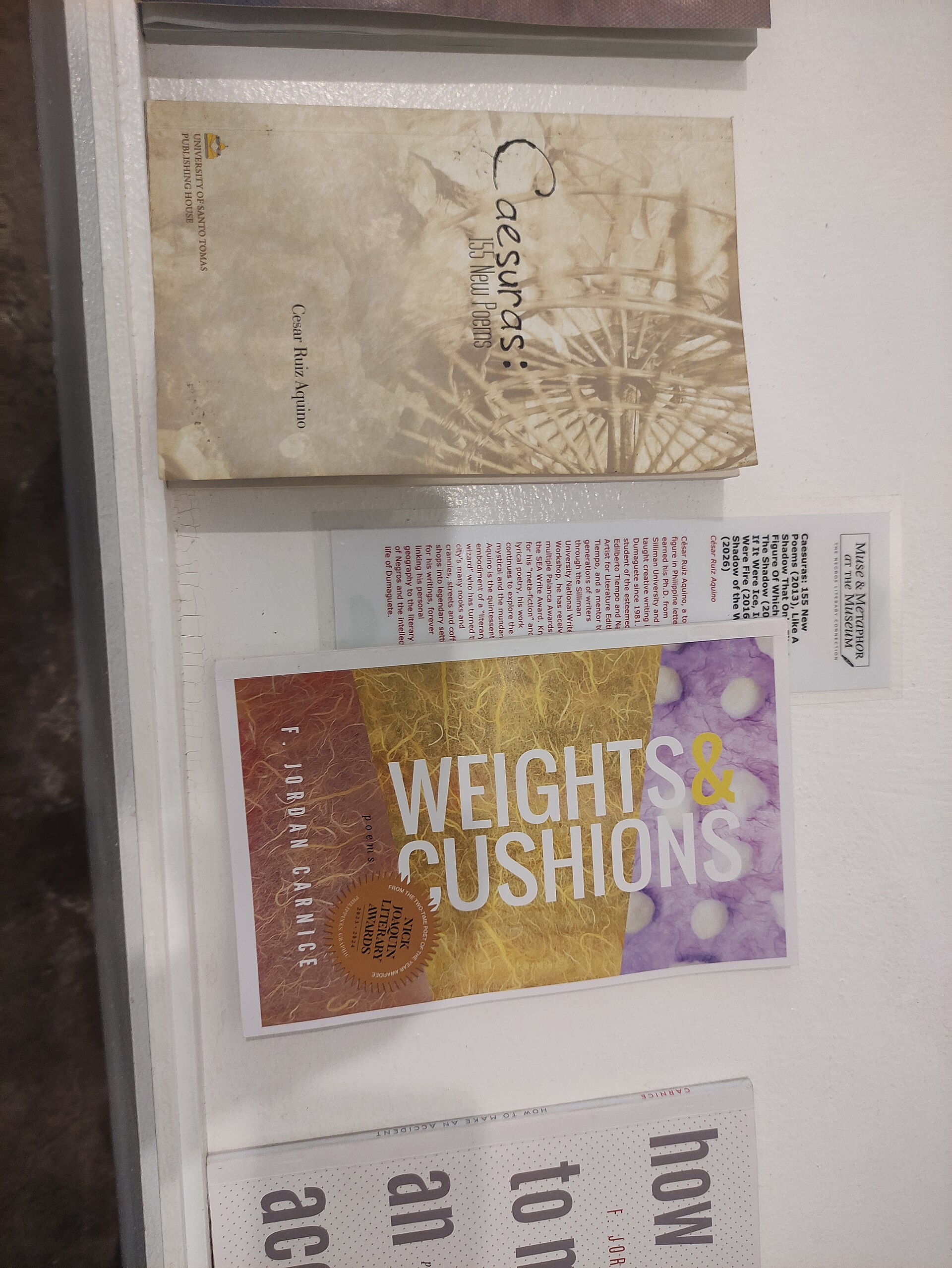
Correction, 2 August 2026: This article originally reported that a recommendation by Fernanda Torres had pushed Eric H. Cline’s ‘1177 a.C.’ to third place on VEJA magazine’s nonfiction bestseller list. The Rio Times has not been able to verify that. VEJA’s published nonfiction top ten for the week of 27 July 2026 does not contain the book at any position, and neither does the previous week’s; the list runs Tamara Klink’s ‘Bom dia, inverno’ at one, Machiavelli’s ‘O Príncipe’ at two and Gregório Duvivier’s ‘Aos pés da letra’ at three. The article had placed Duvivier at two and said Homer’s ‘Odisseia’ had reached sixth on the same list; it is not in the top ten. We were also unable to locate the two Instagram videos the claim rests on. The headline, standfirst and affected passages have been rewritten to state plainly what is and is not confirmed. Separately, the article advised readers to buy the book at Livraria Cultura in São Paulo; that chain went bankrupt in 2025 and its last shops have closed. The photograph, which shows a poetry exhibit in the Philippines, has been recaptioned as illustrative.
Connected Coverage
Colombiamoda 2026 Leaves Medellín More Than US$22 Million
Cali Hosts Colombia’s Inauguration and Petronio Alvarez in One Week
Sources: VEJA's own weekly bestseller list.
This article was produced by The Rio Times’ automated newsroom system. How we use AI · Report an error
In depth
Read More from The Rio Times