Falling Wholesale Prices and Rising Costs Create New Risks for Brazil’s Economy
Brazil’s main broad inflation measure, the IGP-10, dropped by 1.65% in July, marking a sharper decline than the 0.97% fall in June, according to the Fundação Getulio Vargas (FGV).
The change caught most analysts off guard, as it was steeper than any market prediction for the month. The IGP-10 tracks changes in wholesale prices, retail consumer costs, and construction expenses.
In July, wholesale prices fell the most – down by 2.42% after a 1.54% drop in June. Consumer prices rose slightly, up 0.13%, but more slowly than in the previous month.
Construction costs also continued to rise, by 0.57%, but at a gentler pace than earlier this year. So far in 2025, the IGP-10 is down by 1.42%. Over the last twelve months, though, it has still climbed 3.42%.
Data collection for this July report ran from June 11 through July 10. For many businesses and landlords, these numbers matter because rental agreements, utility contracts, and some wages tie directly to the IGP-10.
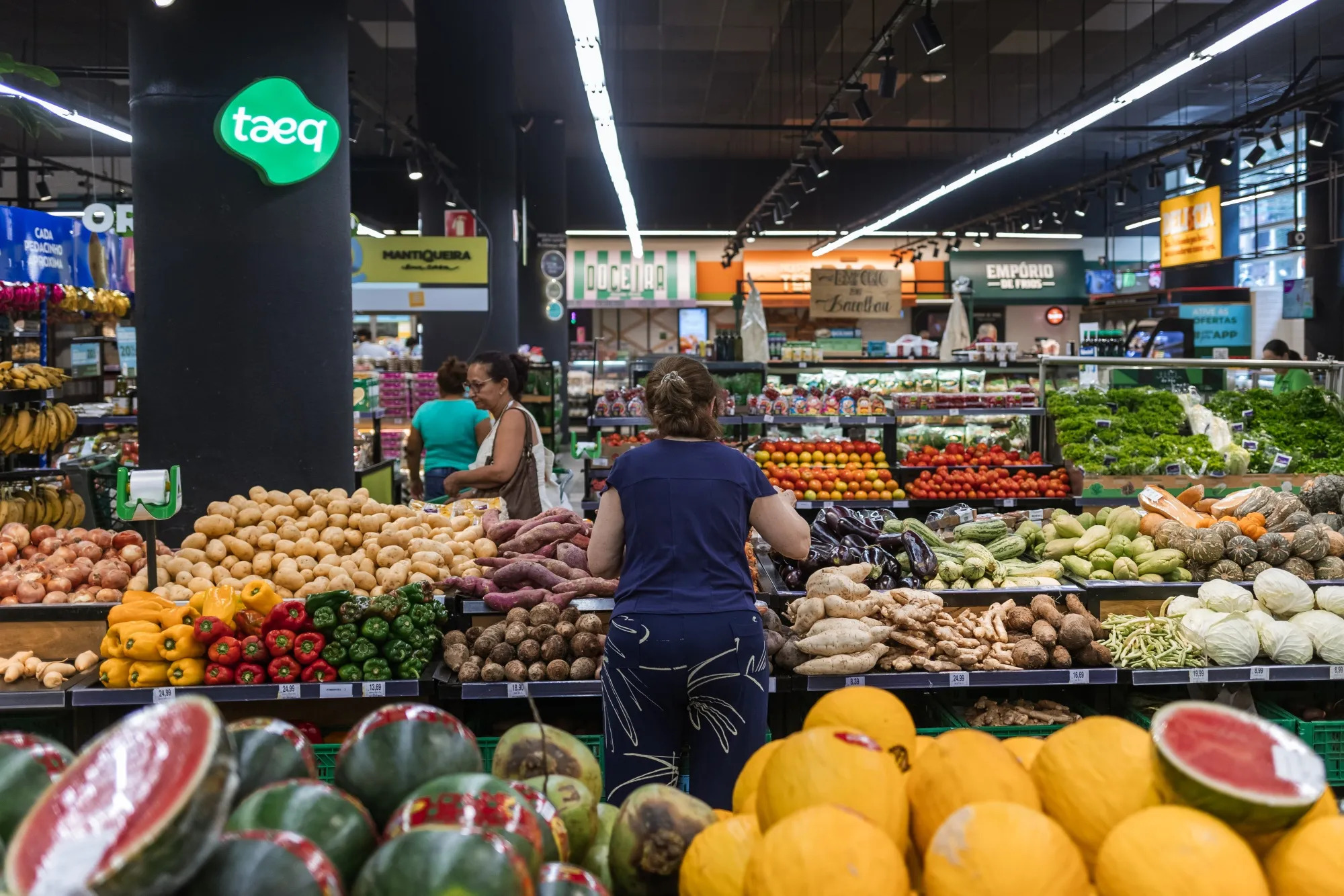
Brazil’s Price Gap Squeezes Margins Despite Wholesale Relief
With wholesale prices falling, suppliers and landlords risk receiving less money, while construction costs and consumer prices continue to rise, though not as quickly.
This gap creates new financial challenges. Wholesale costs are falling largely due to high agricultural output and dropping demand in major industries, while construction expenses remain up, impacted by strong wage claims and the price of building materials.
Brazil is facing these shifts while its central bank keeps interest rates high to control stubborn consumer inflation. Falling business costs have not yet turned into real relief for the average consumer or for the construction sector.
Business owners and contract negotiators now watch the IGP-10 closely for clues on future price changes. The split between lower wholesale prices and higher costs elsewhere raises pressure on profit margins and contract talks across the economy.
The next few months will show if falling wholesale prices start to ease other costs, or if inflation stays stuck in construction and retail, making the road ahead uncertain for nearly everyone involved in Brazil’s economy.
This article was produced by The Rio Times’ automated newsroom system. How we use AI · Report an error
LatAm Markets: Live Signals → — real-time movers, turnover leaders and FX across Latin America.
Read More from The Rio Times