IBOV 174,586.26 ▲ 0.01% IPSA 11,367.47 ▼ 0.73% IPC MEX 66,644.91 ▲ 0.53% MERVAL 3,024,971 ▲ 0.53% COLCAP 2,493.32 ▼ 0.60% BVL PERÚ 60,449.35 ▲ 0.30% USD/BRL5.15▼ 0.02% USD/MXN16.94▼ 0.07% USD/CLP920.93▲ 0.84% USD/COP3,124▲ 1.97% USD/PEN3.35▼ 0.23% USD/ARS1,514▲ 0.12% USD/UYU40.18▲ 1.55% USD/PYG5,957▲ 0.99% USD/BOB11.50▲ 1.47% USD/DOP58.15▼ 0.27% USD/CRC450.21▲ 2.07% USD/GTQ7.62▲ 2.21% USD/HNL26.82▲ 0.34% USD/NIO36.62▲ 0.09% USD/VES785.55▼ 0.13% USD/PAB1.00— 0.00% USD/BZD2.00— 0.00% USD/JMD 157.28 — 0.00% USD/TTD6.73▲ 1.10% EUR/BRL6.00▼ 0.15% BRENT 88.88 ▼ 0.03% WTI 83.11 ▼ 0.11% IRON ORE 161.91 — — COPPER 6.61 ▲ 0.03% GOLD 4,461 ▲ 1.78% SILVER 65.59 ▲ 1.26% SOY 1,184 ▲ 3.20% CORN 480.50 ▲ 10.02% WHEAT 655.00 ▲ 3.93% COFFEE 317.25 ▼ 5.51% SUGAR 16.43 ▼ 1.79% ORANGE JUICE 138.55 ▼ 0.47% COTTON 85.03 ▲ 2.33% COCOA 5,719 ▲ 3.18% BEEF 223.60 ▼ 3.93% CATTLE 339.10 ▼ 3.16% LITHIUM 75.20 ▲ 1.47% PETR4 41.64 ▼ 0.05% VALE3 72.97 ▲ 0.83% ITUB4 38.60 ▼ 1.03% BBDC4 16.85 ▲ 0.36% ABEV3 14.89 ▼ 0.80% BBAS3 19.37 ▲ 0.47% B3SA3 14.26 ▼ 0.21% WEGE3 47.59 ▲ 0.49% PRIO3 59.14 ▼ 0.19% SUZB3 41.33 ▲ 2.35% RENT3 34.68 ▼ 0.09% AZZA3 15.89 ▼ 2.63% CSAN3 3.22 ▼ 1.83% RAIZ4 0.25 — 0.00% PCAR3 2.75 ▼ 0.36% GMAT3 3.65 ▼ 1.08% PSSA3 48.13 ▼ 0.54% CVCB3 1.33 ▼ 2.92% POSI3 3.36 ▲ 2.44% SLCE3 13.34 ▲ 0.30% NATU3 8.14 ▼ 0.73% IBOV 174,586.26 ▲ 0.01% IPSA 11,367.47 ▼ 0.73% IPC MEX 66,644.91 ▲ 0.53% MERVAL 3,024,971 ▲ 0.53% COLCAP 2,493.32 ▼ 0.60% BVL PERÚ 60,449.35 ▲ 0.30% USD/BRL 5.16 ▲ 0.01% USD/MXN 17.06 ▼ 0.24% USD/CLP 913.98 ▲ 0.04% USD/COP 3,140 ▲ 0.03% USD/PEN 3.36 ▼ 0.66% USD/ARS 1,493 ▲ 0.10% USD/UYU 40.27 ▲ 1.24% USD/PYG 5,939 ▲ 1.68% USD/BOB 11.64 ▼ 0.76% USD/DOP 58.34 ▲ 1.25% USD/CRC 445.92 ▲ 0.89% USD/GTQ 7.62 ▲ 2.21% USD/HNL 26.79 ▲ 1.57% USD/NIO 36.62 ▲ 0.69% USD/VES 762.44 ▼ 0.13% USD/PAB 1.00 — 0.00% USD/BZD 2.00 — 0.00% USD/JMD 157.28 — 0.00% USD/TTD 6.70 ▲ 0.61% EUR/BRL 5.95 ▲ 1.01% BRENT 88.88 ▼ 0.03% WTI 83.11 ▼ 0.11% IRON ORE 161.91 — — COPPER 6.61 ▲ 0.03% GOLD 4,461 ▲ 1.78% SILVER 65.59 ▲ 1.26% SOY 1,184 ▲ 3.20% CORN 480.50 ▲ 10.02% WHEAT 655.00 ▲ 3.93% COFFEE 317.25 ▼ 5.51% SUGAR 16.43 ▼ 1.79% ORANGE JUICE 138.55 ▼ 0.47% COTTON 85.03 ▲ 2.33% COCOA 5,719 ▲ 3.18% BEEF 223.60 ▼ 3.93% CATTLE 339.10 ▼ 3.16% LITHIUM 75.20 ▲ 1.47% PETR4 41.64 ▼ 0.05% VALE3 72.97 ▲ 0.83% ITUB4 38.60 ▼ 1.03% BBDC4 16.85 ▲ 0.36% ABEV3 14.89 ▼ 0.80% BBAS3 19.37 ▲ 0.47% B3SA3 14.26 ▼ 0.21% WEGE3 47.59 ▲ 0.49% PRIO3 59.14 ▼ 0.19% SUZB3 41.33 ▲ 2.35% RENT3 34.68 ▼ 0.09% AZZA3 15.89 ▼ 2.63% CSAN3 3.22 ▼ 1.83% RAIZ4 0.25 — 0.00% PCAR3 2.75 ▼ 0.36% GMAT3 3.65 ▼ 1.08% PSSA3 48.13 ▼ 0.54% CVCB3 1.33 ▼ 2.92% POSI3 3.36 ▲ 2.44% SLCE3 13.34 ▲ 0.30% NATU3 8.14 ▼ 0.73%
since 2009
Wednesday, August 26, 2026

Brazil Art + Culture - Brazil

Exhibition in Rio shows how Brazil celebrated 100 years of independence in 1922

By · May 22, 2022 · 2 min read

Daily Brief

The morning intel from across Latin America. Free.

By subscribing you agree to our privacy policy. We never share your email.

RIO DE JANEIRO, BRAZIL – To mark the bicentennial of Brazil’s independence, an exhibition in Rio de Janeiro recalls the grand celebrations of 100 years ago. The 1922 event showed a country that was modern for its time and had a class that nowadays is only granted to Buenos Aires.

Argentines may have become poor, but culture and aesthetics are in their DNA. Still today.

Looking at Rio de Janeiro today, one can only wonder how this city could have fallen so low. It is a living reminder of what pure greed can do without an elite committed to beauty. And the loss of the capital status to Brasilia has added to the damage.

RT
Ask Rio Times
Latin American culture, food and life.
Open the full Ask Rio Times →
One-stop reference
Company Intelligence
Every listed company in Latin America — financials, ownership and structure for 1,450+ companies across 26 exchanges, in one place.
Browse the directory →

One hundred years ago, the celebration was grand. The pictures show the magnificent buildings specially constructed for the World’s Fair, one of Brazil’s most significant international events to date, attended by over 20 heads of state.

The celebration lasted 11 months and was planned two years in advance. Fourteen countries were represented with pavilions that attracted 3.5 million visitors. And right at the opening, a milestone: Brazil’s first radio broadcast – first with speeches, then with Carlos Gomes’ opera “O Guarani.”
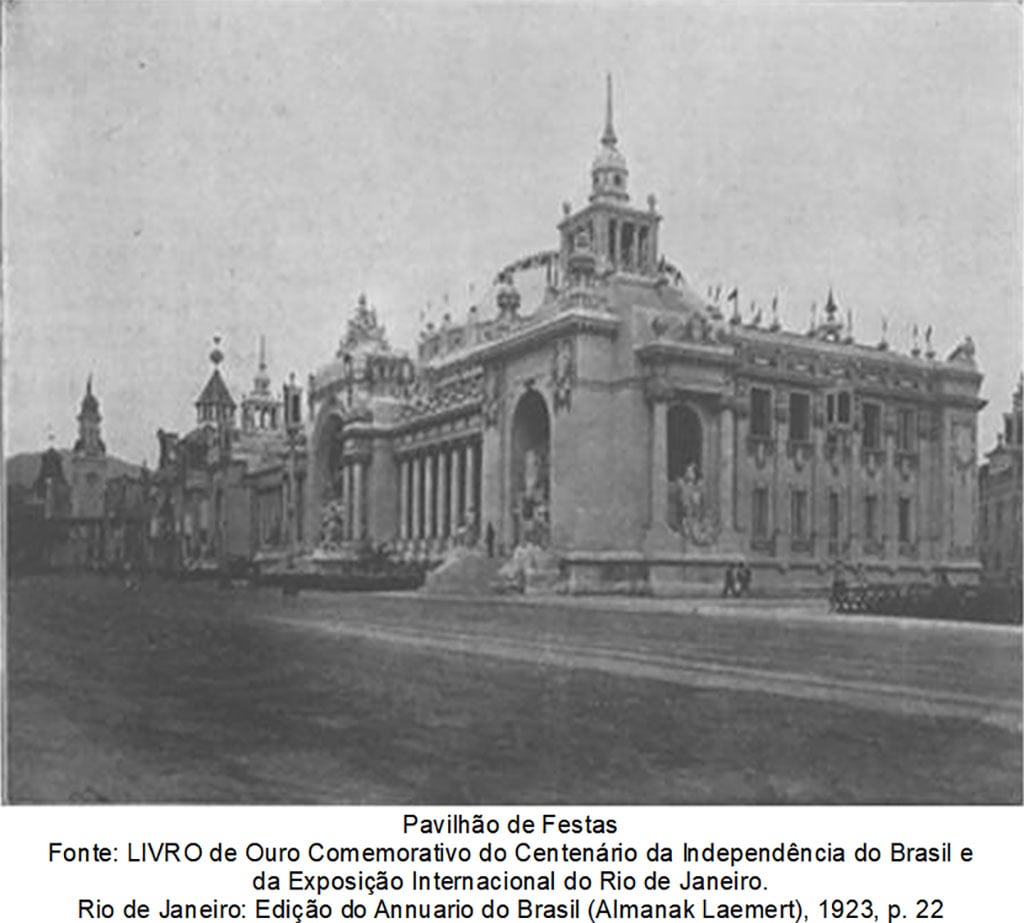
Congress released 100 thousand ‘Contos de réis’ for the festivities, an exorbitant amount for the time. That same year, a severe drought in the northeast resulted in thousands of deaths.

President Epitácio Pessoa imposed a state of siege because of the military revolt in Copacabana, which became known as “The 18 of the Fortress.” And many families suffered from inflation.

“It’s interesting how we see some problems resurface, like the issue of hunger, the price of light, energy, if we think about the increase in the price of gasoline. So we see a country that on the one hand has modernized, but on the other hand, continues to have many social problems,” explains anthropologist Ana Teles da Silva.
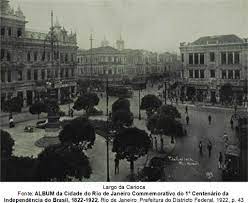
In the magazines, however, the city of Rio de Janeiro was touted as a showcase for the nation, proud of its progress after World War I and its victory over several epidemics, such as the Spanish flu. When you learn how the Independence Centennial celebrations went, you can’t help but marvel.

“I’ve lived here in Rio de Janeiro all my life and never had any idea that this kind of architecture had been built for a commemoration. It gave me a sense of nostalgia for a time I didn’t live through, but a nostalgia for that era,” researcher and botanist Sarah Domingues Ricardo tells G1.

Castle Hill, where Rio’s settlement began, was destroyed to make way for the 1922 World’s Fair buildings. Today, only four of them remain. Among them are the Brazilian Academy of Literature headquarters and the National History Museum itself, where the exhibition was set up.
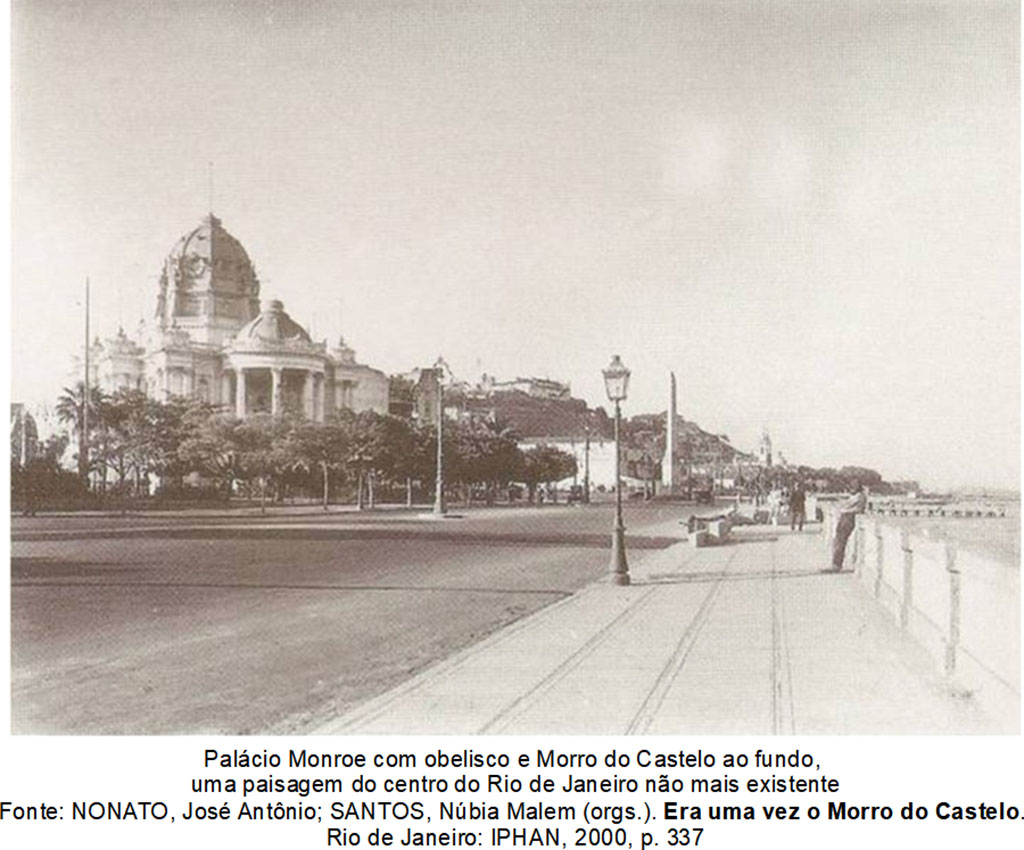
“We must know history in order not to repeat mistakes in the future; we must always remember and search. If we don’t know, we should go to museums and memory centers to remember and see what happened,” says Sarah Domingues.

With information from G1

Read More from The Rio Times

The Rio Times · Power Map
See who really holds power in Latin America
Click to open the Power Map

Rotate for Best Experience

This report is optimized for landscape viewing. Rotate your phone for the full experience.