ANEEL Decides Next Week on Enel’s São Paulo Grid
Brazil · ENERGY
Key Facts
- —What happened Brazil’s electricity regulator decides Tuesday on stripping Enel’s São Paulo concession.
- —How big a jump The network serves about eighteen million customers across the metropolitan region.
- —The real story Enel’s final arguments ask for more time, a delaying tactic and a real warning.
- —The catch No successor exists; stripping a concession this large has never been done in Brazil.
- —Who it touches CPFL says it would be interested in buying the asset, but appeals could leave eighteen million in limbo for years.
- —What comes next A board finding against Enel would be appealed, delaying any change indefinitely.
Enel has run out of procedural moves. What is left is an argument about what happens to eighteen million customers if the regulator says yes.
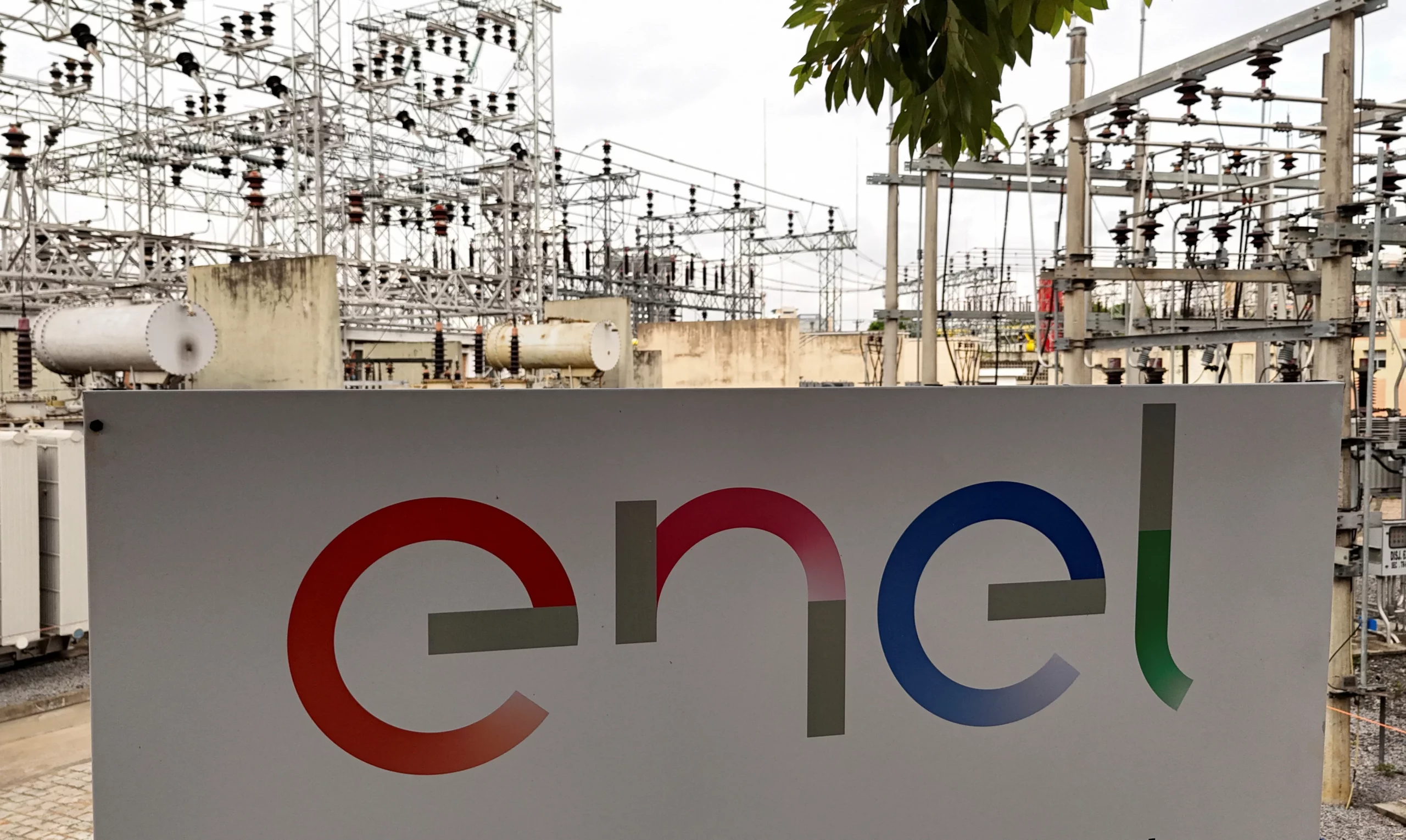
The Enel São Paulo concession goes in front of Brazil’s electricity regulator next Tuesday, and the company has spent this week making the only argument it has left. Not that its service record is good enough — that fight is largely lost. That taking the concession away would hurt customers more than leaving it in place.
What ANEEL is deciding about the Enel São Paulo concession
Caducidade is the formal declaration that a concessionaire has failed in its obligations. The proceeding against Enel’s São Paulo distribution concession, numbered 48500.903331/2024-72, opened in 2024, after successive storm outages left large parts of the metropolitan region without power for days, and ANEEL formally converted it into a caducidade proceeding in April 2026.
The board’s diretoria colegiada, with director Agnes da Costa as rapporteur, is scheduled to take it up on 25 August. Strictly, ANEEL decides the administrative proceeding; the formal declaration of caducidade rests with the granting power. But a board finding against Enel is the decisive step, and everyone in the sector is treating it as such.
Enel filed its alegções finais — final written arguments — on 19 August. In them it asked the regulator to assess the effect on consumers before ruling: continuity of supply, service quality, tariff consequences, and the risk of a transition. It also requested an expert probe, arguing that its defence had been improperly curtailed.
Read that for what it is. A company that expected to win on the facts does not spend its last filing asking for more time and warning about the consequences of losing.
Why the consumer argument is not purely cynical
It is a delaying argument. It is also, uncomfortably, a real one.
Stripping a distribution concession serving roughly eighteen million people is not a thing Brazil has done at this scale. Somebody has to run the network on the day after, and the mechanisms for that — temporary operation, an emergency tender, a forced sale — all take time that a city does not have when the lights go out.
There is a queue forming, which cuts both ways. CPFL said publicly in July that it would be interested in the São Paulo asset if it were put up for sale, conditioned on that actually happening. A credible buyer makes the transition less frightening and the decision easier.
For the eighteen million people on the network, none of this changes anything this month. Rulings of this kind are appealed, and the appeals run for years. What it changes is the incentive on the incumbent while the appeals run.
Two smaller corporate stories worth knowing
Estrela, the toymaker that has been part of Brazilian childhood since the 1930s, filed its judicial recovery plan on 14 August with the first civil court of Três Pontas, in Minas Gerais. It sought recovery on 20 May and the court accepted the filing on 15 June. Consolidated group debt is about R$109.2 million, roughly US$21 million — a modest sum, which is rather the point. This is Estrela’s third judicial recovery in two decades, and it followed a bankruptcy petition from a factoring creditor in April.
And TRXF11, a listed property fund, approved and priced its thirteenth issue of quotas on 5 and 6 August: R$5 billion initially, about US$962 million, extendable to R$10 billion or roughly US$1.9 billion, at R$94.39 a quota — about US$18.16 — restricted to professional investors, with the preference period running to 26 August.
The market did not read it as a vote of confidence. The offer price was an 11.8% premium to the R$84.41, about US$16.24, that the quotas traded at on 6 August, and an issue of that size is roughly 1.7 times the fund’s existing equity base of about R$6 billion, some US$1.15 billion. Quotas fell around 10% over the following month, to a discount of more than 15% to book value, as investors priced the dilution.
The lesson for anyone holding Brazilian real-estate funds is old and keeps being relearned: a fund raising more than it is worth at a premium to where it trades is asking existing holders to fund somebody else’s expansion.
Why this matters if you live or invest in Brazil
The Enel decision is the one with reach. If ANEEL moves against a concession this large, every distributor in Brazil rereads its service obligations, and the regulatory risk premium on Brazilian infrastructure goes up — for foreign owners in particular, since Enel is Italian and the political framing has not been shy about that.
If you are on the São Paulo network, the practical question is not who owns it but whether anyone spends on it during the years an appeal would take. Uncertain ownership is not usually good for capital expenditure.
And the two smaller stories share a theme with the first: Brazil’s cost of money has been punishing for anything leveraged. A toymaker with R$109 million of debt, about US$21 million, in its third recovery, and a property fund raising at a premium into a falling price, are both symptoms of the same fourteen percent.
More: Brazil news, every day from The Rio Times.
Has Enel lost the São Paulo concession?
Not yet. ANEEL’s board is scheduled to consider the caducidade proceeding on 25 August 2026. Nothing has been decided, and any decision would be appealed.
What did Enel file on 19 August?
Its final written arguments, asking ANEEL to assess consumer impact before ruling — continuity, service quality, tariffs and transition risk — and requesting an expert probe into service quality.
Who would run the network instead?
No successor has been chosen and no sale has been ordered. CPFL said in July it would be interested in the asset if it were put up for sale.
Connected Coverage
Sources: ANEEL processo 48500.903331/2024-72; Cenário Energia; Brasil 247; Reuters; CNN Brasil; InfoMoney; BP Money; Capital Aberto.
Frequently Asked Questions
This article was produced by The Rio Times’ automated newsroom system. How we use AI · Report an error · Editorial responsibility: Matthias Camenzind, Editor-in-Chief