Emerging Nations Borrow a Record $450 Billion, Brazil Among Them
Emerging Markets · Markets
Key Facts
—The record. Emerging-market borrowers sold $450bn of international bonds in the first half of 2026.
—The jump. That was up about fifteen percent on the same period a year earlier.
—The draw. The rush came as the gap over safe United States debt shrank to its tightest in almost two decades.
—The big six. Mexico, Saudi Arabia, South Korea, Poland, Turkey and Brazil each raised more than $10bn.
—The source. The figures were compiled by Bloomberg from international bond sales in dollars and euros.
—The catch. Cheap borrowing today means bigger repayment bills in the years ahead.
The market for emerging market bonds just had its busiest six months ever, and Brazil was one of the heaviest borrowers in a record-breaking pack.
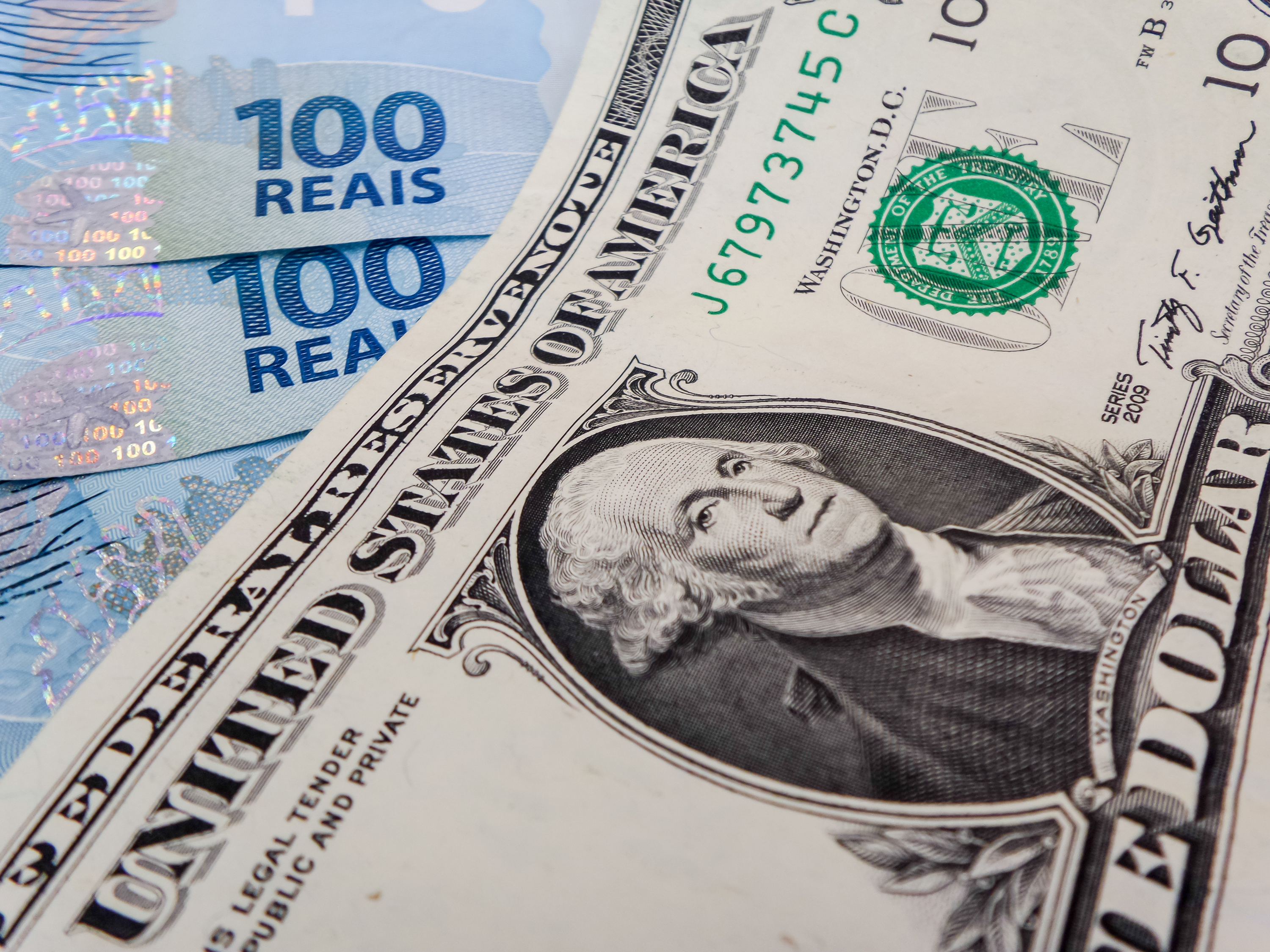
Developing countries and their companies rushed to borrow money on world markets in the first half of this year, and they did so at a record pace. The appetite from lenders was strong enough to push borrowing costs unusually low.
For a foreign investor, the number is a useful thermometer. It measures how willing the world is to lend to riskier economies, and right now that willingness is running hot.
What the emerging market bonds figure shows
Borrowers from the developing world sold four hundred and fifty billion dollars of international bonds between January and June. That is a record for any first half, on data compiled by Bloomberg.
It marks a jump of about fifteen percent on the same stretch a year earlier. These are bonds sold in dollars and euros to international investors, rather than debt raised at home according to the compiled figures.
The people doing the borrowing are a mix of governments and large companies. When both crowd into the market at once, it usually signals that money is cheap and confidence is high.
And money has indeed been cheap for these borrowers. The extra interest they must pay over safe United States government debt has narrowed to its tightest in nearly twenty years.
Why the gap matters
That gap, which traders call the spread, is the heart of the story. It is the premium a riskier country pays on top of what the United States pays to borrow.
When the spread is wide, lending to developing nations looks dangerous and expensive. When it narrows this much, it signals that investors are relaxed and hungry for the higher returns these bonds offer.
Several forces have pushed it tighter. Falling inflation across much of the developing world, steadier currencies and the search for yield have all drawn money back toward the asset class.
Borrowers, sensibly, have grabbed the moment. Locking in cheaper money while the window is open is exactly what a well-run treasury department is supposed to do.
Where Brazil sits
Six countries stood out as the heaviest borrowers, each raising more than ten billion dollars. They were Mexico, Saudi Arabia, South Korea, Poland, Turkey and Brazil.
Brazil’s place on that list says something about how global investors currently see it. Despite a noisy year at home over interest rates and the public finances, foreign lenders were still willing to hand it money in size.
Part of the appeal is simple arithmetic. Brazil pays some of the highest interest rates of any large economy, so its bonds offer generous returns to those prepared to take the risk.
The company was good, too. Sitting alongside the likes of Saudi Arabia and South Korea places Brazil among the developing world’s most trusted large borrowers, at least for now.
The reasons to stay careful
A borrowing record is not the same as a clean bill of health. Every bond sold today is a repayment due tomorrow, and a wave of cheap issuance now builds a wall of maturities later.
The mood can also turn quickly. Spreads this tight leave little cushion, so a shock, whether a jump in United States rates or a fresh geopolitical scare, could widen them fast and make refinancing dearer.
For Brazil specifically, the domestic backdrop is a reminder to temper the cheer. The government’s debt is at a five-year high, and its budget is running a widening shortfall in an election year.
So the record is best read as a snapshot of a good moment rather than proof of lasting safety. The window is open and wide, but windows have a habit of closing when the weather changes.
More: Brazil news in English, every day from The Rio Times.
Frequently Asked Questions
What does the emerging market bonds record mean?
Developing countries and their companies sold a record four hundred and fifty billion dollars of international bonds in the first half of 2026, up about fifteen percent on a year earlier. It signals strong investor appetite and cheap borrowing costs.
Why are borrowing costs so low?
The extra interest these countries pay over safe United States debt has narrowed to its tightest in almost twenty years, helped by falling inflation, steadier currencies and investors chasing higher returns.
How does Brazil feature?
Brazil was one of six countries that each raised more than ten billion dollars, alongside Mexico, Saudi Arabia, South Korea, Poland and Turkey. Its high interest rates make its bonds attractive to yield-seeking investors.
What is the risk?
Cheap borrowing now creates larger repayment bills later, and very tight spreads leave little cushion if a shock widens them. Brazil’s high debt and election-year budget add to the caution.
Connected Coverage
Brazil Scrambles to Calm Markets After a Muddled Rate Cut
The Ibovespa Explained: Brazil’s Stock Market and How to Invest
This article was produced by The Rio Times’ automated newsroom system. How we use AI · Report an error · Editorial responsibility: Matthias Camenzind, Editor-in-Chief
LatAm Markets: Live Signals → — real-time movers, turnover leaders and FX across Latin America.