Elevating Brazil’s Universities: Strategies for Global Recognition
Elson Freire, QS’s regional director for Latin America and the Caribbean, provides a strategic roadmap to elevate Brazilian universities on the global stage.
He suggests to the Estadão outlet two main strategies: internationalization and emphasizing sustainability.
Currently, Harvard and MIT dominate the QS global rankings. The University of São Paulo barely clings to the top 100, reflecting a need for improvement.
Other Brazilian institutions like Unicamp, UFRJ, and Unesp also struggle, ranking between 232nd and 489th.
These rankings weigh scientific publications, employer reputation, sustainability, and internationalization.
Freire identifies a critical gap: the internationalization of Brazil’s student and faculty bodies lags behind other Latin American nations.
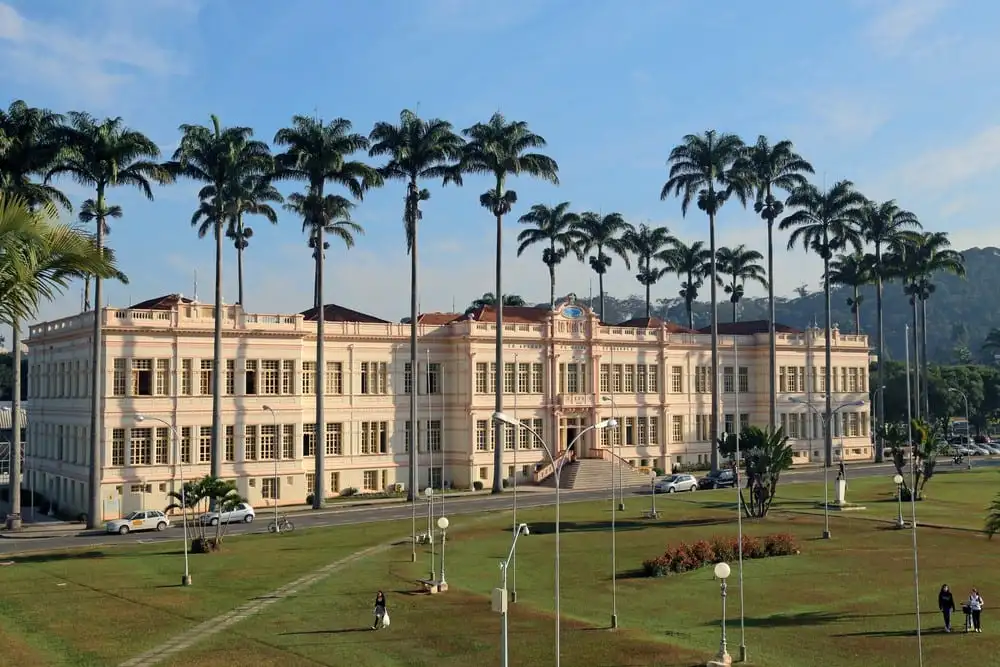
To catch up, Brazilian universities must become magnets for global talent.
However, the diversity of Brazil’s student body is hindered by its vast educational market and the prevalence of Portuguese, unlike the Spanish-speaking majority in Latin America.
Moreover, Brazil shines in environmental sustainability, leading Latin America.
This advantage is underused but could lure international students and faculty who prioritize eco-friendly education.
QS’s International Student Survey reveals that over a third of prospective students factor in a university’s sustainability efforts before enrolling.
Brazil’s international research network is a strong suit, facilitating collaborations across borders.
Elevating Brazil’s Universities: Strategies for Global Recognition
Globally, Brazil’s performance is middling among BRICS nations. While Russia falls behind, China and India surge ahead.
China’s institutions challenge those in the ‘northern global’, with many in the top 100. India’s higher education grows rapidly, outpacing Brazil and other Latin American countries.
Freire points out that China has moved beyond its developing country status through pragmatic policies in research and international collaboration.
In contrast, Brazil’s top universities hover between 300 and 500 in global rankings.
To climb higher, Brazil must harness its strengths and reform its approach to global education.
The time for action is now, lest it fall further behind its BRICS counterparts.
For the full picture, see our Brazil Tax Reform: Complete Guide.
More: Brazil news in English, every day from The Rio Times.
This article was produced by The Rio Times’ automated newsroom system. How we use AI · Report an error
Read More from The Rio Times