Egypt Lets You Open a Bank Account Online
Northern Africa · Banking
Key Facts
—What was issued: The Central Bank of Egypt published regulations governing its Digital Financial Identity platform — the DFI, in the central bank’s shorthand — announced on Sunday 23 August 2026.
—What it allows: Opening bank accounts and buying banking products remotely through electronic know-your-customer verification.
—The signature: Electronic authentication would replace the handwritten signature, and customers could accept banks’ terms and update personal data digitally.
—Who approved it: The central bank’s board of directors.
—What it does not say: No launch date has been announced, and nothing in the published account addresses non-residents or foreign nationals.
—The context: Egyptians abroad sent home a record US$47.3 billion in the last financial year.
Egypt digital financial identity rules published on 23 August set out how customers will be able to open a bank account without walking into a branch, using electronic verification instead of a signature. The central bank has issued the framework but has not said when the platform opens.
What the Egypt digital financial identity rules do
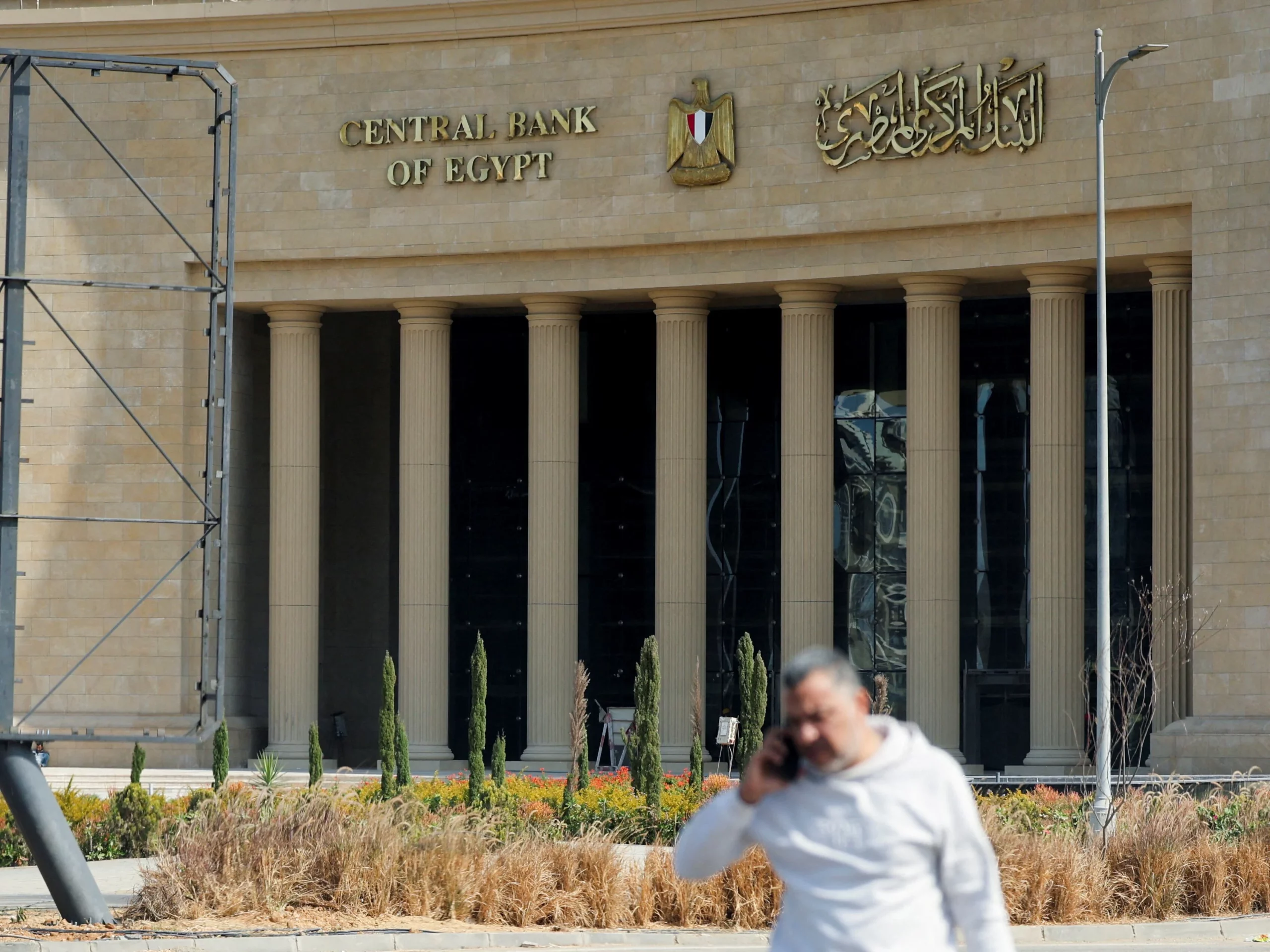
The Central Bank of Egypt issued regulations governing its Digital Financial Identity platform in a statement on Sunday 23 August 2026. The rules were approved by the bank’s board of directors.
The framework allows customers to open accounts and access banking products remotely through electronic know-your-customer procedures, known as eKYC. It also lets them accept banks’ terms and conditions electronically and update personal data without visiting a branch.
The most consequential provision is the smallest. Electronic authentication would stand in place of a handwritten signature, which is the requirement that has kept Egyptian banking physically tethered to branches.
The regulations cover platform governance, the roles and responsibilities of participating institutions, technical and operational requirements, and data protection and cybersecurity controls.
What the governor said, and what he did not
Governor Hassan Abdalla framed the platform as a major step in expanding access to digital banking, letting customers complete procedures without going to a branch.
That is the promise. The practical position today is different: the central bank has issued rules, not opened a service.
No go-live date appears in any version of the announcement we have seen. Nobody can yet open an Egyptian bank account this way.
Nor does the published account address whether the platform will be available to non-residents or foreign nationals. The central bank has not said whether the platform is tied to Egypt’s national identity system, which would in practice limit it to national-ID holders, and we are not going to tell readers abroad that a service exists for them when the rules do not say so.
Why the branch requirement mattered so much
Egypt has spent a decade trying to bring people into the formal banking system, and the physical branch has been the single largest obstacle. Account opening has required attendance, documentation and a signature.
That friction falls hardest on the people the state most wants to reach: workers outside major cities, small traders and young people whose financial lives are already on a phone.
It also falls on the diaspora. Egyptians abroad sent home a record US$47.3 billion in the last financial year, and much of that arrives through channels that exist because opening a domestic account from abroad is difficult.
Removing branch attendance from the process is therefore not a convenience upgrade. It changes who can hold an Egyptian bank account at all.
Where this sits in Egypt’s wider push
Cairo has been explicit about wanting to be a regional fintech hub and about reducing the economy’s dependence on cash. The digital identity platform is infrastructure for both.
It also fits a pattern visible across the continent this month. Nigeria and Kenya have been moving in the same direction, each building out digital rails for payments and financial supervision.
The common thread is states building identity and payment rails, then regulating who may connect to them. That is a different model from the licence-first approach of the last decade.
For banks operating in Egypt the competitive consequence is immediate. Once remote onboarding works, the branch network stops being a moat.
What to watch next
The first thing is a launch date. Rules without a service are a statement of intent, and Egyptian financial regulation has a history of long implementation tails.
The second is which banks connect first, and whether the platform is genuinely shared infrastructure or becomes a set of parallel bank-specific implementations.
The third is the scope question we could not resolve. If the platform does eventually admit non-residents, it would matter a great deal to the diaspora and to foreign workers, and it would be worth a separate announcement.
Until then the honest summary is that Egypt has written the rulebook and not yet opened the door.
That is still worth reporting. Rulebooks are the slow part of financial reform, and the countries that write them early tend to be the ones where the services eventually appear.
Egypt has about 109 million people and a young population whose financial lives are already conducted on phones. The gap between that reality and a signature on a branch counter is what these rules are meant to close.
More: Egypt news in English, every day from The Rio Times.
Frequently Asked Questions
What is Egypt’s digital financial identity platform?
A Central Bank of Egypt framework, with regulations announced on 23 August 2026, allowing customers to open bank accounts and access banking products remotely using electronic know-your-customer verification.
Can Egyptians open accounts remotely now?
Not yet. The central bank has issued the rules but has not announced a launch date for the service.
Does it apply to foreigners or non-residents?
The published account does not address non-residents or foreign nationals, so this remains unclear.
What replaces the handwritten signature?
Electronic authentication. Customers would also be able to accept banks’ terms and conditions electronically and update personal data remotely.
Who approved the rules?
The board of directors of the Central Bank of Egypt. Governor Hassan Abdalla described the platform as a major step in expanding access to digital banking.
Connected Coverage
Our North Africa coverage includes the disputed Libyan election text, Morocco’s share of French arms orders, and more from our Northern Africa hub.
This article was produced by The Rio Times’ automated newsroom system. How we use AI · Report an error · Editorial responsibility: Matthias Camenzind, Editor-in-Chief
LatAm Markets: Live Signals → — real-time movers, turnover leaders and FX across Latin America.