Dollar Surges Late in the Week, Driven by Fiscal Worries and Global Forces
This week, the U.S. dollar ended on a high, spiking to R$5.60 against the Brazilian real, a dramatic close to a volatile week.
The dollar rebounded from R$5.52 as concerns over Brazil’s fiscal policies and their global impact drove gains.
The dollar’s climb marked a significant turnaround, notching a 3.20% gain from Monday to Friday.
On Friday alone, after initially dropping, the dollar surged, closing just shy of its peak at R$5.603.
This surge was underpinned by a sharp pullback in confidence regarding Brazil’s fiscal health.
The government’s R$15 billion budget cut temporarily eased fiscal concerns, but doubts soon returned, boosting the dollar.
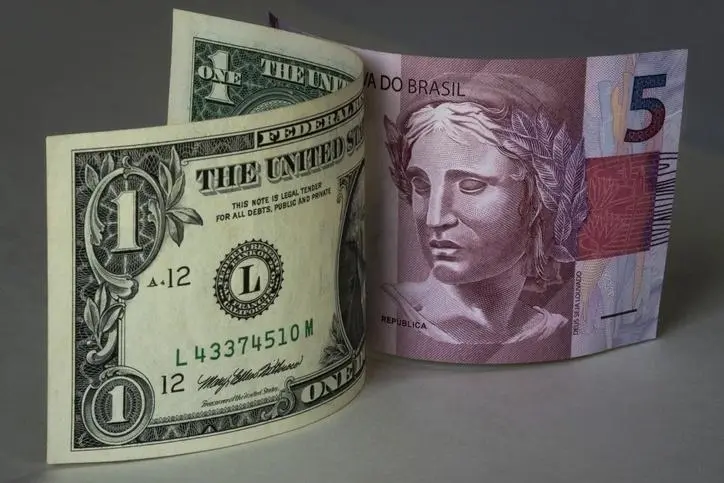
The Brazilian real and other emerging market currencies, including the Mexican and Chilean pesos, also struggled against the strong dollar.
Rising U.S. Treasury yields strengthened the dollar, while the U.S. Dollar Index (DXY) climbed for a second consecutive day.
It chalked up its first weekly gain in three weeks, buoyed by positive U.S. economic data and ongoing electoral tensions.
The week showed global market links, with analysts noting overreactions and ongoing U.S. growth despite impending Fed cuts.
Dollar Surges Late in the Week, Driven by Fiscal Worries and Global Forces
Meanwhile, a technological hiccup added to the day’s drama. A software glitch at CrowdStrike disrupted global computer systems, impacting banks and flights.
This incident inadvertently drove investors towards the perceived safety of the dollar, amplifying its gains in the afternoon.
As the weekend neared, the financial community anticipated Brazil’s Biannual Revenue and Expense Report.
Analysts doubted that the R$15 billion budget freeze would significantly tackle Brazil’s fiscal issues or slow debt growth.
This week’s currency shifts underscore the fragile interplay of fiscal policy, investor outlook, and global economic dynamics.
This article was produced by The Rio Times’ automated newsroom system. How we use AI · Report an error
LatAm Markets: Live Signals → — real-time movers, turnover leaders and FX across Latin America.
Read More from The Rio Times