Dollar Rises Above R$5.70 Amid U.S. Holiday and Domestic Uncertainty
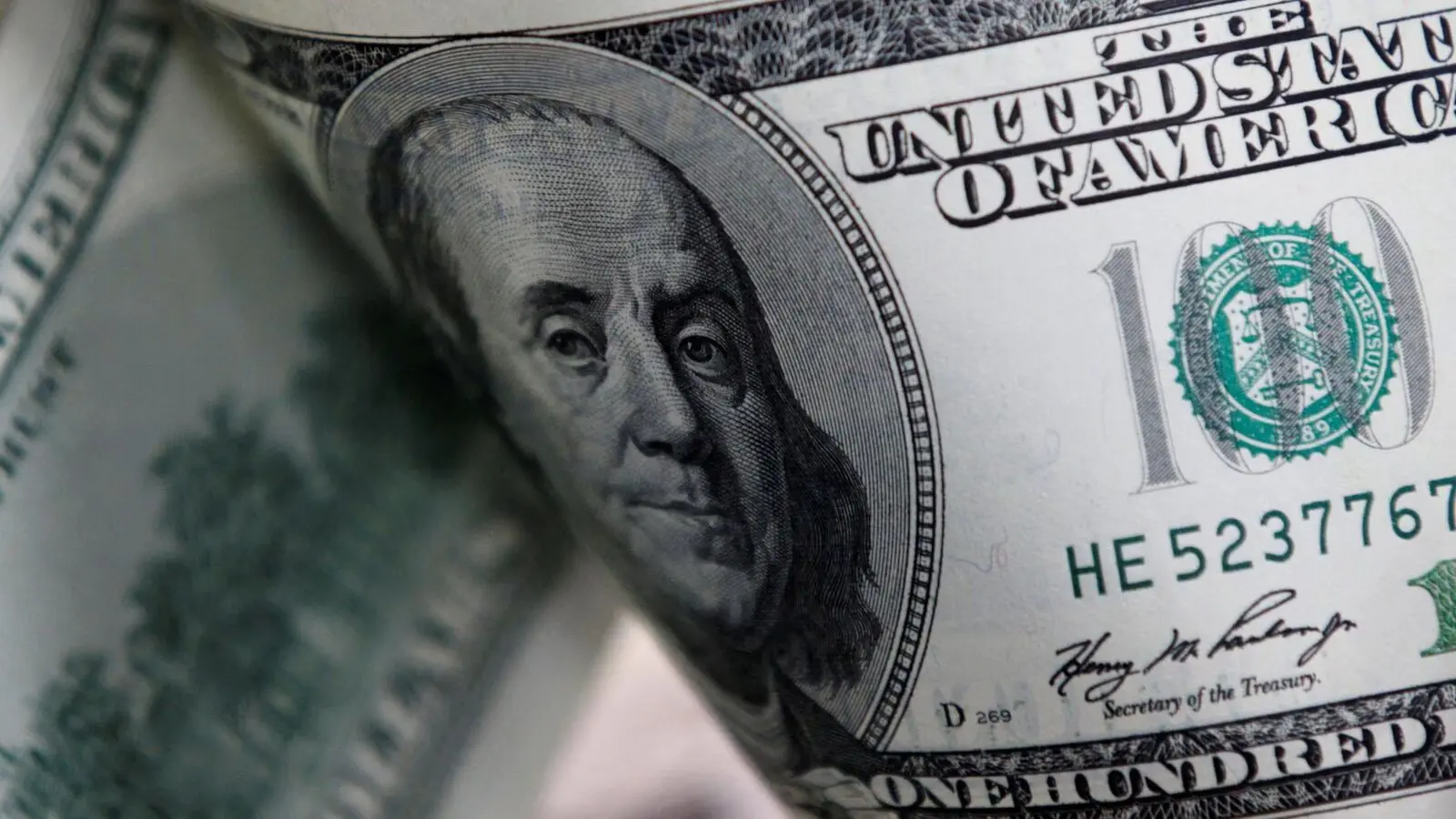
The U.S. dollar gained ground against the Brazilian real on Monday, February 17, closing at R$5.712, a 0.29% increase from the previous session.
This rise followed a sharp 1.22% drop last Friday, when the dollar reached R$5.6974, its lowest closing level since November 2024. Reduced trading activity, due to the Presidents’ Day holiday in the United States, contributed to a narrow trading range in Brazil.
The dollar’s performance reflected mixed global signals and domestic economic developments. Internationally, investors weighed uncertainties surrounding U.S. tariff policies and ongoing discussions to resolve the war in Ukraine.
Domestically, attention focused on Brazil’s economic indicators and political developments. The Central Bank of Brazil released its Economic Activity Index (IBC-Br), which showed a 0.7% contraction in December compared to November, signaling a cooling economy after four months of growth.
This data aligns with market expectations and highlights challenges for sustained recovery. Political factors also influenced market sentiment. President Luiz Inácio Lula da Silva’s approval rating dropped to 24%, down from 35% two months ago, according to Datafolha.
This decline represents a record low for Lula across his three terms in office and coincides with rising disapproval rates, now at 41%. The president’s fiscal policies and potential economic stimulus measures remain under scrutiny as investors assess their impact on Brazil’s fiscal stability.
U.S. Dollar Trends and Brazil’s Currency Market
Globally, the U.S. dollar showed mixed trends against other currencies as markets reacted to economic data and Federal Reserve commentary. Reduced retail sales in the U.S. suggested weaker demand, potentially easing pressure for aggressive monetary tightening by the Fed.
In Brazil, reduced liquidity during the holiday in U.S. markets kept volatility low despite these influences. The Central Bank of Brazil announced a swap auction offering up to 15,000 contracts to manage currency risks ahead of April maturities.
The dollar has fallen 7.54% against the real so far in 2025. However, Monday’s uptick underscores the currency’s sensitivity to both domestic and international factors.
Investors will continue monitoring developments in fiscal policy, global trade dynamics, and geopolitical tensions. These factors will provide further cues on exchange rate movements.
This article was produced by The Rio Times’ automated newsroom system. How we use AI · Report an error
LatAm Markets: Live Signals → — real-time movers, turnover leaders and FX across Latin America.
Read More from The Rio Times