Global Economy Briefing — September 14, 2026
Fed rate-rise bets near 90%, Brent back above US$100 and China data set the tone. Four central banks decide this week, including Brazil's Copom.
Key Facts
- Fed hike bets dominate markets price a roughly 90% chance of a quarter-point US rate rise on 16 September, with fresh projections alongside it.
- Oil stays high Brent settled at US$104.60 a barrel on Friday, down 2.8%, after peaking above US$107 on Thursday.
- ECB already tightened the European Central Bank raised all three of its rates by 25 basis points on 10 September, effective 16 September.
- China data due Tuesday August industrial production, retail sales and fixed-asset investment land on 15 September.
- US yields near 5% the 10-year Treasury yield sits at 4.974%, keeping pressure on risk assets and on emerging-market currencies.
Today’s Focus
The global week begins with one message: central banks are not done fighting inflation, and oil is feeding that fight. Brent settled near US$104.60 on Friday after touching US$107 on Thursday, when Houthi forces took Yemen’s port of Mokha.
Markets now see a roughly 90% chance that the Federal Reserve raises US rates by 25 basis points on Wednesday. The European Central Bank has already moved, lifting its deposit rate to 2.50% and its main refinancing rate to 2.65%.
That twin squeeze — costlier money plus costlier energy — is tightening financial conditions worldwide. The US 10-year yield is back near 5%, while the dollar index held firm around 99.
China’s August activity data, due Tuesday in Beijing, will show whether the world’s second-biggest economy can cushion the slowdown. Weak numbers would reinforce the hawkish mood; strong ones could soften it.
What matters today. The path of US rates and China’s August data will decide whether this oil shock becomes a broader risk-off event.
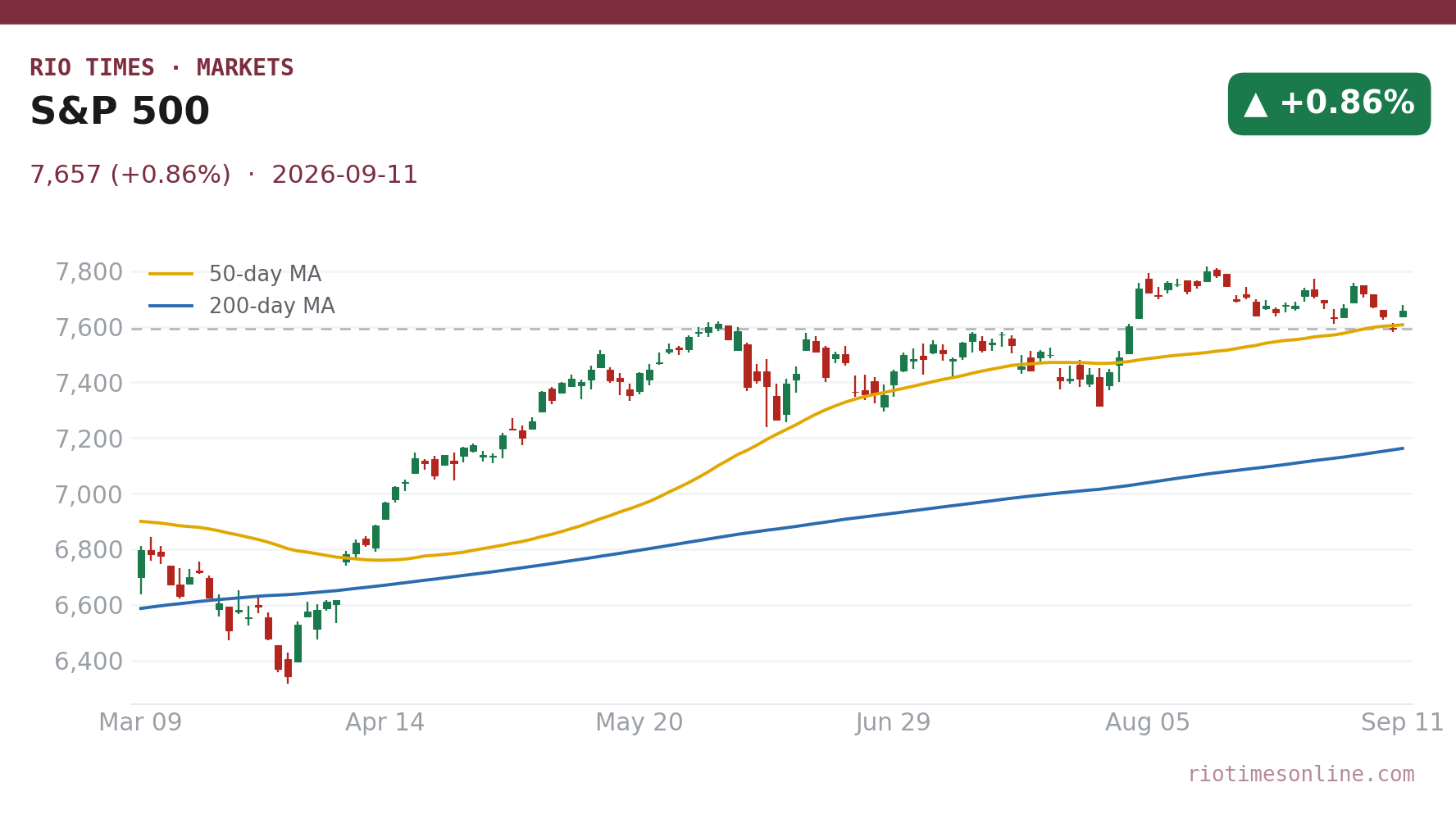
| Instrument | Level | Session |
|---|---|---|
| S&P 500 (US) | 7,657 | +0.86% |
| Ibovespa (Brazil) | 187,207 | -0.56% |
| USD/BRL | 5.1208 | +0.29% |
Global economy — Trade date 2026-09-11. Closes from RT. Figures rendered directly from the feed.
01 The world in one read
A fresh oil shock is colliding with already-hawkish central banks. Brent peaked above US$107 a barrel on Thursday after Houthi forces seized Yemen’s Red Sea port of Mokha. It settled at US$104.60 on Friday, down 2.8%.
The European Central Bank has already raised its deposit rate by 25 basis points, to 2.50%. Investors now assign roughly a 90% probability that the Federal Reserve follows on 16 September.
That would take US rates to 4.00% and keep the dollar firm. For emerging markets that means higher global borrowing costs at exactly the wrong time.
China’s August data arrives Tuesday: industrial production, retail sales, fixed-asset investment and house prices. Economists expect industrial output to improve but investment to keep contracting.
The RT board shows the S&P 500, Dow and Nasdaq all gained on Friday, while the VIX fear gauge dropped sharply — a Wall Street bounce. But the bond market tells a different story: a 10-year yield near 5% and firm hike pricing mean investors are bracing for tighter money.
A contested Strait of Hormuz, oil above US$100 and a hawkish Fed leave little room for error. The variable to watch is Wednesday’s Fed decision and any change in rate-path language.
02 The global board
| Instrument | Level | Change | Read |
|---|---|---|---|
| S&P 500 | +0.86% | + | Risk appetite survived oil shock |
| Dow Jones | +0.98% | + | Cyclicals led US bounce |
| Nasdaq | +0.96% | + | Tech held firm despite yields |
| VIX | -11.21% | − | Fear gauge fell sharply |
| US 10Y | 4.974% | + | Bond yields near 5% |
| Gold | $4,348/oz | + | Inflation hedge supported |
| DXY | 99.122 | + | Dollar stayed firm |
The board shows a curious split: US equities rallied hard on Friday, with the S&P 500 and Dow up around 1%, while the VIX volatility index — Wall Street’s fear gauge — dropped more than 11%.
But the US 10-year Treasury yield at 4.974% tells the deeper story. Money is leaving safe government bonds, pushing yields toward 5%, because traders expect the Fed to hike on Wednesday.
Gold near US$4,348 an ounce and a dollar index near 99 show investors hedging inflation and Middle East risk. Rio Times · Live Market Intelligence
Live Market IntelligenceGlobal Markets — Live Board
Global Markets — Live Board
Instrument Last Change YoY Prev. High Low Volume
SPX
7,751
+0.29%
—
—
—
—
—
NDX
29,799
+0.93%
—
—
—
—
—
DJI
53,810
+0.03%
—
—
—
—
—
RUT
3,041
+0.46%
—
—
—
—
—
US10Y
4.6760
-0.17%
—
—
—
—
—
VIX
14.60
-4.45%
—
—
—
—
—
DAX
26,331
-0.23%
—
—
—
—
—
FTSE
10,833
-0.10%
—
—
—
—
—
CAC
8,675
-0.46%
—
—
—
—
—
STOXX
659.48
-0.16%
—
—
—
—
—
NIKKEI
67,524
+0.83%
—
—
—
—
—
HSI
25,440
-0.83%
—
—
—
—
—
KOSPI
6,579
+3.68%
—
—
—
—
—
CSI300
4,691
+0.58%
—
—
—
—
—
NIFTY
24,436
-0.15%
—
—
—
—
—
TSX
36,619
+0.39%
—
—
—
—
—
GOLD
4,461
+1.78%
+33.20%
4,383
4,503
4,421
139,824
SILVER
65.59
+1.26%
+73.05%
64.77
66.98
64.81
46,406
03 The main event — a hawkish Fed meets an oil shock
The Federal Reserve’s 16 September meeting is now the market’s absolute focus. After the ECB moved first, futures pricing implies a roughly 90% chance the Fed raises its target range to 4.00%.
That is a remarkable shift from earlier this year, when many investors expected the central bank to be cutting rates by now. The reason is simple: August consumer prices ran at 3.4% from a year earlier, and oil above US$100 keeps them sticky.
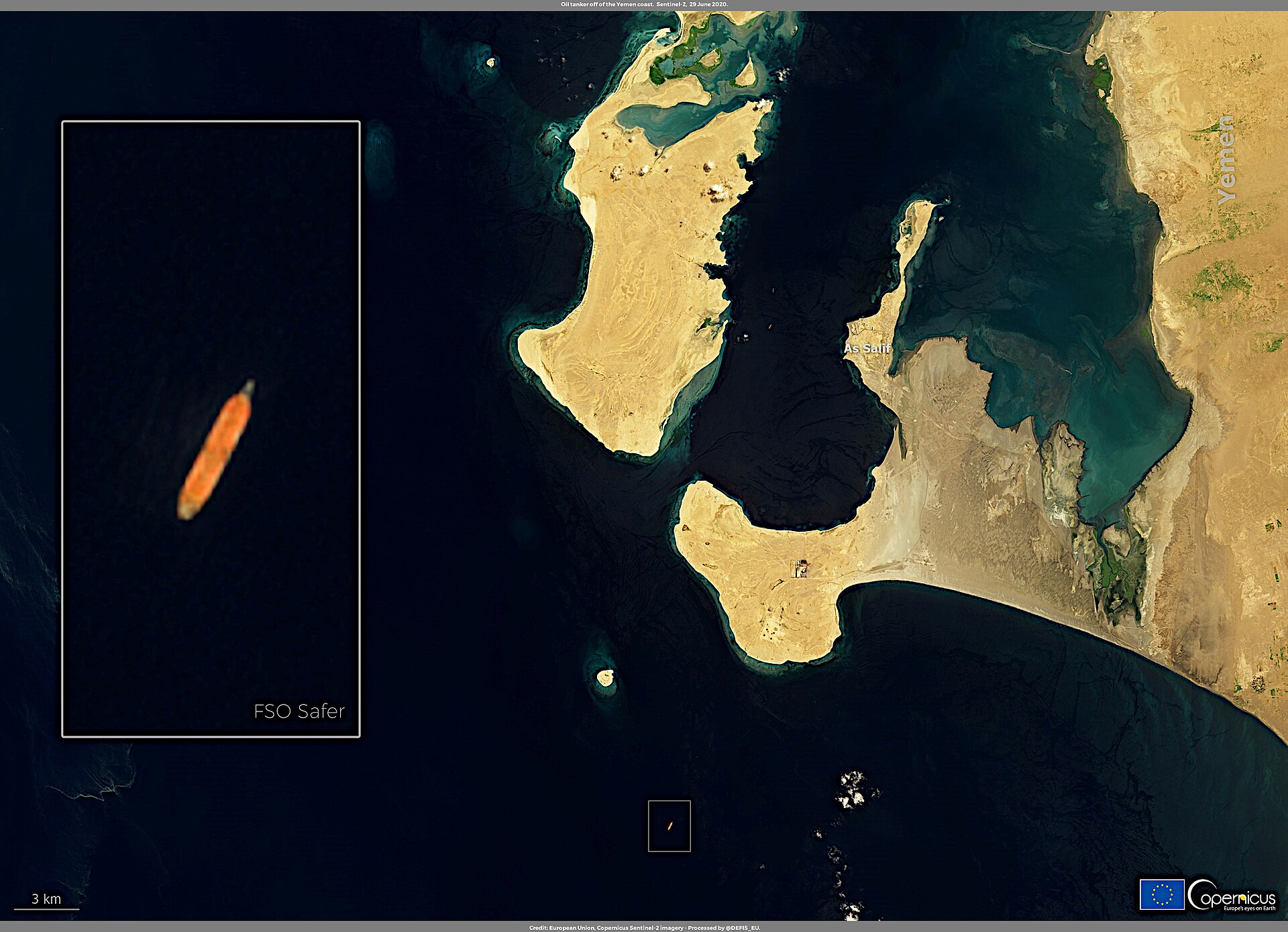
Brent’s 6.3% jump came on Thursday, after Houthi forces seized Yemen’s Red Sea port of Mokha. Mokha sits beside the Bab el-Mandeb strait, the Red Sea gateway for Saudi crude heading to Asia.
The bigger constraint is the Strait of Hormuz, contested since late February. Only seven vessels transited on Thursday, against 18 on Tuesday.
A Fed hike would tighten global liquidity, lift the dollar and pressure every market that borrows in US currency.
04 Policy and data
Beyond the Fed, investors are tracking a packed calendar. Canada’s inflation reading lands today. Germany’s ZEW sentiment index, due Tuesday, is forecast to rise to 42.7 from 34.2.
China’s August activity data, due Tuesday, is the big one. Economists expect industrial production to grow 4.8% from a year earlier, up from 4.5%, and fixed-asset investment to fall 7.1%, a deeper drop than July’s 6.7%.
The Bank of Japan meets 17 and 18 September and is expected to raise its policy rate to 1.25% from 1.00%. The Bank of England decides on Thursday and is expected to hold at 3.75%.
Mexican markets are closed on Wednesday for Independence Day, the same day the Federal Reserve and Brazil’s Copom both decide.
The combination of a hawkish Fed, an oil shock and soft Asian data would be stressful. The best case is that China surprises to the upside and takes some heat out of US yields.
05 Commodities and currencies
Oil is the commodity story of the week. Brent at US$104.60 a barrel closed above US$100 for the first time in nearly four months.
The dollar index edged up to 99.122, while the euro slipped after the ECB decision. Higher energy prices in Europe make the eurozone’s growth outlook harder, even as the central bank signals more vigilance on inflation.
Gold ended near US$4,348 an ounce and silver at US$64.39, both higher on the day but lower on the week.
For the rest of the week, watch US inventory data from the American Petroleum Institute and any news from the Red Sea. A single tanker incident could send Brent through $110.
06 The Latin American read-through
The region is caught between a firm dollar and an oil shock — and the board captures the tension. Brazil’s Ibovespa slipped 0.56% on Friday but still gained 1.11% on the week. The real weakened 0.44%, to 5.125 per US dollar.
Mexico’s IPC index declined 0.28%, while the peso was little changed at 16.973. Chile’s IPSA dipped 0.16% and its peso softened to 942.48. Colombia’s peso actually firmed to 3,102 per dollar, a reminder that higher oil prices help exporters.
Argentina’s Merval saw a much sharper drop of 1.87%, while the informal dollar quotes there remain extraordinarily volatile. Peru’s BVL fell 0.32%.
Brazil’s Copom meets on 15 and 16 September and is expected to cut the Selic rate to 13.75% from 14.00%. Options on the Brazilian exchange put the odds of that cut at about 95%.
07 What to watch
- Fed decision: Wednesday’s rate call and chair’s press conference could reset the entire global yield curve
- China data: Industrial production and retail sales on Tuesday will show whether Asia is stabilising
- Oil and the Red Sea: Any further shipping disruption could push Brent above $110 and tighten global financial conditions
- Latin American central banks: Brazil’s Selic decision on Wednesday follows directly from the Fed’s tone
Frequently Asked Questions
Why does oil above $100 matter so much?
It raises costs for every company and household, pushes up inflation, and makes central banks less willing to cut rates.
What would a Fed hike mean for Brazil?
A stronger dollar and higher US yields would pressure the real, and may keep Brazil’s Selic rate higher for longer.
Has the ECB already acted?
Yes, the European Central Bank raised its deposit rate by 25 basis points to 2.50% on 10 September, effective 16 September.
What data should I watch today?
China’s August activity data on Tuesday, then the Federal Reserve, Copom, Bank of England and Bank of Japan decisions. US August inflation was published on Friday.
Market data: RT
This article was produced by The Rio Times’ automated newsroom system. How we use AI · Report an error
LatAm Markets: Live Signals → — real-time movers, turnover leaders and FX across Latin America.