Dollar Peaks at R$5.20: Decoding the U.S. Monetary Policy Impact
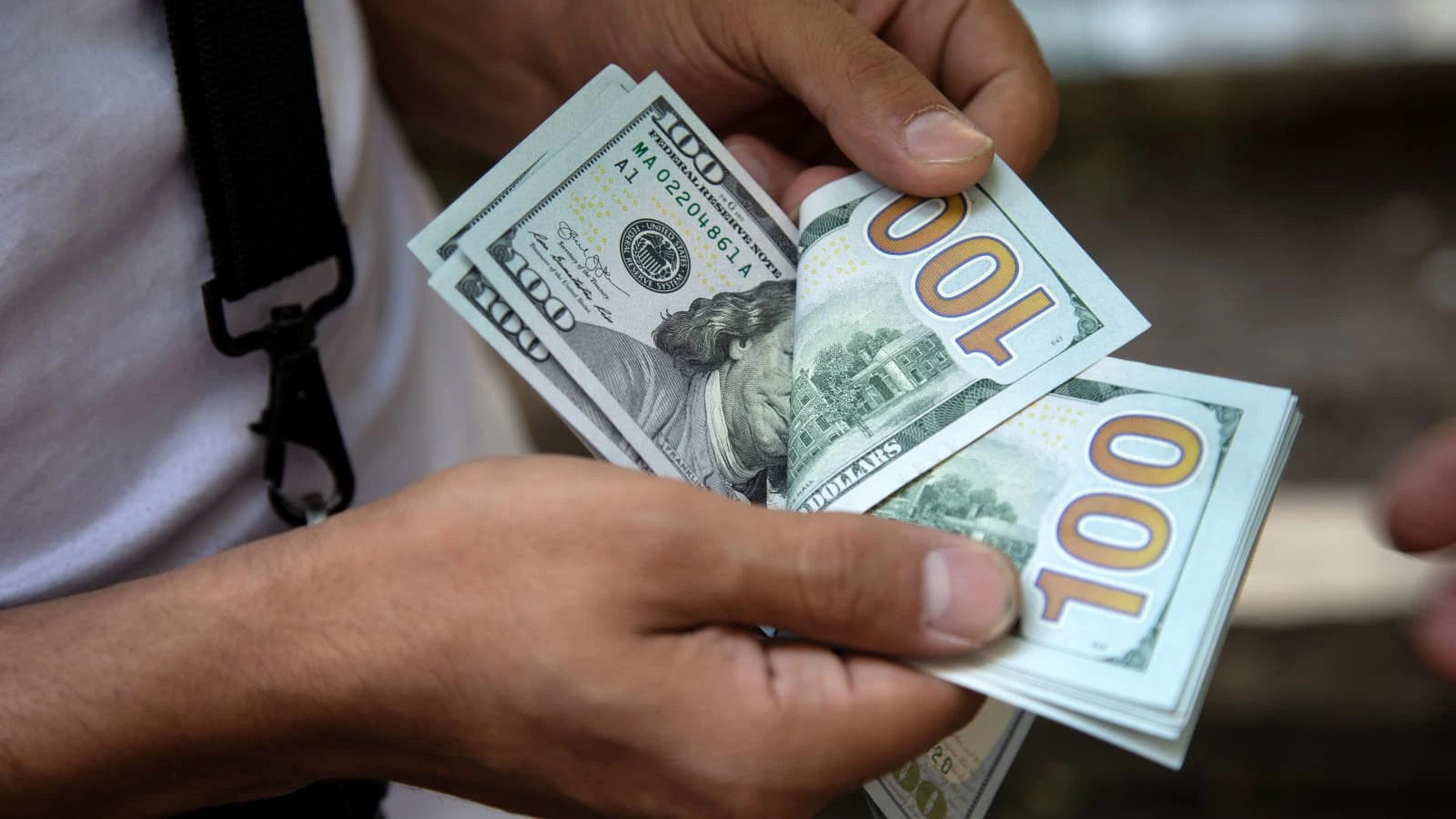
On May 29, the U.S. dollar soared to R$5.20 against the Brazilian real amid U.S. monetary policy uncertainties.
By day’s end, it slightly receded to R$5.208, reflecting similar uptrends in the futures market, where it increased by 0.88% to 5205 points on Brazil’s B3 exchange.
Initially, weaker U.S. consumer price inflation data softened the dollar. However, it surged as U.S. Treasury yields hit a near four-week high of 4.57%.
This rise in yields, driven by technical trades and market caution about the Federal Reserve’s rate decisions, boosted the dollar’s global appeal.
These developments rippled through emerging markets, notably affecting the Brazilian real. Fluctuations in U.S. Treasury yields critically influence currency values.
Market speculations about future Fed actions make emerging market currencies especially vulnerable.
Market analysts and currency traders see these patterns as clear examples of how U.S. economic indicators and monetary policies shape global currency markets.
Real-time updates and historical data analyses provide insights, helping stakeholders navigate these dynamics.
This situation highlights the interconnectedness of global financial markets. U.S. economic policies profoundly influence global currency valuations.
The dollar’s strengthening serves as a case study on the broader effects of economic policies.
These policies can potentially stabilize or destabilize emerging market economies.
This article was produced by The Rio Times’ automated newsroom system. How we use AI · Report an error
LatAm Markets: Live Signals → — real-time movers, turnover leaders and FX across Latin America.
Read More from The Rio Times