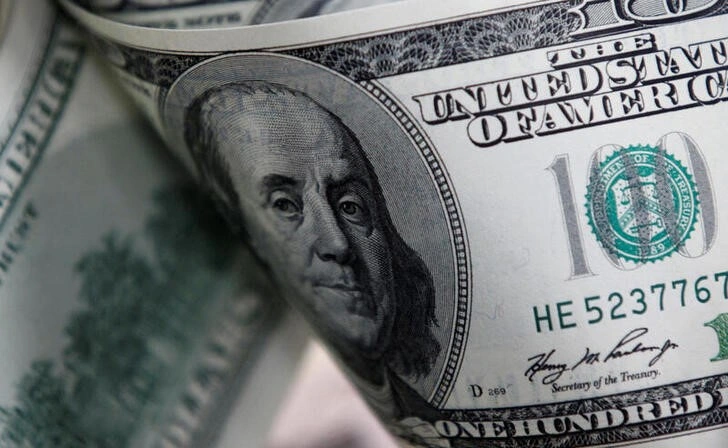
On Thursday, September 12, 2024, the U.S. dollar took a notable dive, closing at R$ 5.6182, marking a 0.56% decrease.
This movement mirrored broader global trends, with the DXY index falling 0.41% against major currencies. Several factors contributed to the dollar’s performance.
In Brazil, retail sales grew by 0.6% in July, surpassing expectations. The supermarket and beverage sectors led this growth, indicating a resilient domestic economy.
Globally, emerging markets benefited from rising commodity prices. Iron ore and oil saw significant gains, boosting the currencies of resource-rich nations like Brazil.
The European Central Bank (ECB) made a pivotal decision, cutting interest rates to 3.5% per annum. This move weakened the euro, indirectly affecting dollar dynamics.
In the United States, inflation data took center stage. Additionally, the Producer Price Index (PPI) rose 0.2% month-over-month in August, meeting expectations.
Annually, it increased by 2.4%, the lowest since February 2021. The core PPI, excluding volatile items, rose 0.3% monthly and 2.4% annually.
In addition, these inflation figures influenced market expectations for the Federal Reserve’s upcoming meeting.
Traders now see a 73% chance of rates remaining at 5.00-5.25%, down from 86% previously. The probability of a 50 basis point cut, to 4.75-5.00%, increased to 27% from 14%.
Lower U.S. rates typically weaken the dollar, making higher-yielding markets more attractive. This dynamic explains why emerging markets often benefit when expectations of U.S. rate cuts rise.
As the Federal Open Market Committee prepares to meet from September 17–19, these economic indicators will play a crucial role in shaping monetary policy decisions and currency movements.
This article was produced by The Rio Times’ automated newsroom system. How we use AI · Report an error
LatAm Markets: Live Signals → — real-time movers, turnover leaders and FX across Latin America.
Read More from The Rio Times