Dino Voids Brazil Budget Amendments Named by Party Chiefs
Brazil · POLITICS
Key Facts
- —What happened Brazil’s Supreme Court voided budget amendments directed by party chiefs without a seat in Congress.
- —How big The ruling targets only such allocations, not the 60 billion reais (US$11.62 billion) pot.
- —The real story The Lula government relies on releasing amendment money to build a majority in Congress.
- —The catch No specific amendment or beneficiary is named; the nullity applies abstractly to all such acts.
- —Who it hits Party presidents without a mandate and former lawmakers, not sitting members of Congress.
- —What comes next Congress leaders and executive officials face legal liability for non-compliance; no penalties imposed yet.
The ruling targets party chiefs without a seat in Congress, leaving amendments allocated by sitting lawmakers untouched.
Brazil’s Supreme Federal Court has voided budget amendments directed by party chiefs without a seat in Congress. In a decision that reshapes how public money flows.
Justice Flávio Dino ordered the Chamber of Deputies and the Senate on Sunday to treat such allocations as null.
The Court’s Order
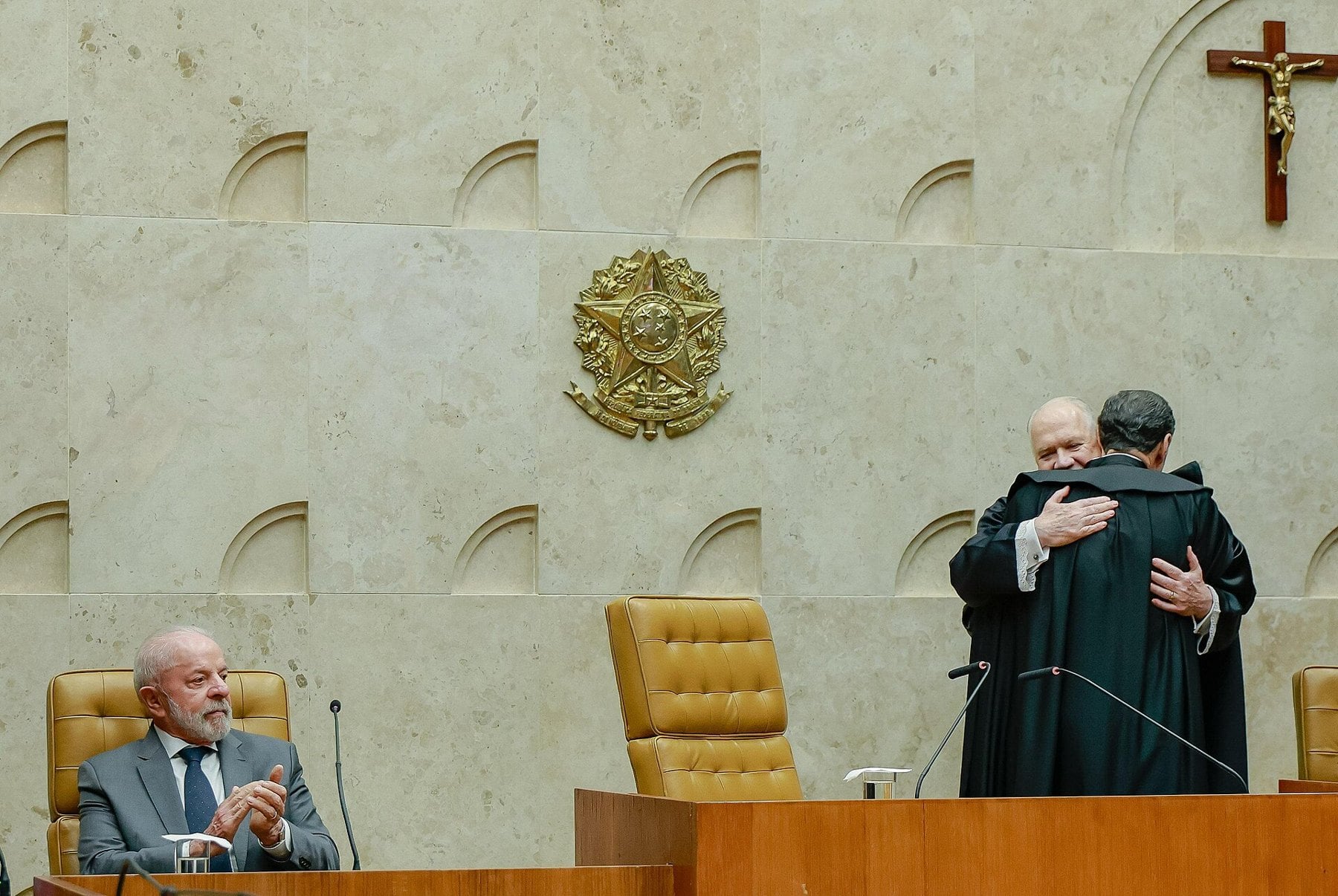
Justice Flávio Dino of Brazil’s Supreme Federal Court, the STF, however. Ruled on Sunday that Congress must consider null any budget amendments allocated by party presidents without a seat or by former members.
Still, the order applies to any act, table, memorandum, communication, spreadsheet, official letter, or request attributing allocation to such individuals. It must be considered legally invalid and clothed in absolute nullity, according to the ruling.
The ruling stems from a case before the Supreme Federal Court, though no specific case number was given. However, the decision targets a particular class of allocation, not all amendments.
Meanwhile, the ruling follows earlier decisions in the same case. However, it does not name any specific amendment or beneficiary.
What Is Void
Moreover, the nullity covers any amendment whose allocation is controlled by a party president without a mandate or by a former member. These are mechanisms by which party officials without a mandate control amendment money.
In addition, the decision declares void any act attributing allocation to a party president or former deputy or senator. In addition, the nullity covers quota or reserve arrangements by which party officials without a mandate control amendment money.
However, the decision does not name any specific amendment or beneficiary.
What Is Not Affected
The decision does not list any amendment by name, number, or beneficiary. Therefore, it declares void, in the abstract, all acts that attribute allocation to a party president or former lawmaker.
Amendments properly allocated by sitting members of Congress are untouched. Therefore, lawmakers with a mandate can continue to direct their amendments as before.
Meanwhile, amendments properly allocated by sitting members of Congress remain valid. As a result, the order does not halt the federal budget or block payments generally.
Still, the order does not halt the federal budget or block payments generally. As a result, lawmakers with a mandate can continue to direct their amendments as before.
The Role of Budget Amendments
For example, budget amendments, known as emendas parlamentares, are changes lawmakers make to steer public money to works and services. They are how a lawmaker turns a budget line into a clinic, road, or grant back home.
These amendments are the main currency of political exchange in Brasília. Lawmakers want the widest possible control over the money because it is what they deliver to their local base.
In addition, amendments are how individual lawmakers deliver clinics, roads, or grants back home. However, they also serve as the main currency of political exchange in Brasília.
The Political Battle
The Lula government depends on releasing amendment money to assemble a majority and pass its bills. In short, whoever controls the amendments controls the bargaining.
However, Dino, a Lula ally on the Supreme Court, is restricting the same mechanism the government uses to build a majority. This creates a tension between the executive and the legislature.
Meanwhile, Dino’s order restricts a mechanism the Lula government uses to build a majority. As a result, this creates a tension between the executive and the legislature.
Earlier Steps in the Case
On 14 July 2026, Dino said only members of Congress may allocate amendments. Moreover, he called outsourcing ‘obviously illegal’ after cases involving Valdemar Costa Neto and Eduardo Cunha.
He then ordered the presidents of the 21 parties represented in Congress to explain whether they hold quotas for allocating amendments. On 29 July 2026, before the nullity order, Dino required the government and Congress to spell out everyone’s responsibilities.
In addition, they had to detail allocation and execution. This forced both to disclose who actually controls the money.
After the 14 July statement, Dino ordered party presidents to explain their quota mechanisms. However, no party’s answer is recorded in the research.
Potential Consequences
The order warns of legal liability if it is not obeyed. Meanwhile, those exposed are the presidents of the Chamber and Senate, Congress’s technical bodies, and executive officials who execute such amendments.
In earlier decisions, Dino treated lawmakers as ‘spending authorisers’, which can bring liability for improbity, crimes, and audit court sanctions. No penalties have been imposed yet, but the warning is clear.
In addition, the order warns of legal liability for non-compliance, but no penalties have been imposed. Meanwhile, those exposed include Congress’s technical bodies and executive officials.
The Size of the Amendment Pot
As a result, Folha de S. Paulo columnist Dora Kramer wrote about the sums involved on 1 August 2026. She put the money at stake at ‘today of the order of 60 billion reais’ (US$11.62 billion).
That is the total mass of parliamentary amendments in the federal budget, not the value of the amendments voided on 23 August. At the official exchange rate of 5.1625 reais to the US dollar, that amounts to about US$11.62 billion.
However, no source quantifies the value of the voided amendments specifically. However, the 60 billion reais (US$11.62 billion) figure is the total mass of amendments, not the voided amount.
As a result, no source quantifies the value of the nullified amendments.
Reaction and Next Steps
There is no single official statement from Congress or the Lula government on the order. The reaction is described as political discomfort and internal manoeuvring to defend the space in which amendments are negotiated.
In short, the question is who may direct amendment money: only members with a mandate, or also parties and former deputies. Dino’s order is a clear step toward restricting that control.
Meanwhile, the question remains who may direct amendment money, with Dino’s order as a step. However, no official reaction from Congress or the government has been recorded.
Frequently Asked Questions
What did Justice Dino rule?
Justice Flávio Dino ordered the Chamber and Senate to treat certain budget amendments as null. The rule covers amendments allocated by party presidents without a seat in Congress, or by former members.
The ruling applies to any act that attributes allocation power to such individuals.
Are all budget amendments void?
No, only those allocated by party presidents without a mandate or former lawmakers are void. Amendments properly allocated by sitting members of Congress are untouched.
Why are budget amendments important in Brazil?
They allow lawmakers to direct public money to projects in their districts, making them the main currency of political exchange. The Lula government depends on releasing them to build a majority in Congress.
What happens if the order is not followed?
The order warns of legal liability for non-compliance. Those exposed include Congress leaders, technical bodies, and executive officials who execute such amendments.
Connected Coverage
Sources: G1; Folha de S.Paulo; Valor Econômico; UOL; O Globo; ConJur; O Tempo; Supremo Tribunal Federal; Banco Central do Brasil.
This article was produced by The Rio Times’ automated newsroom system. How we use AI · Report an error · Editorial responsibility: Matthias Camenzind, Editor-in-Chief