Cusco Launches a Highland Lagoon Route Beyond Machu Picchu
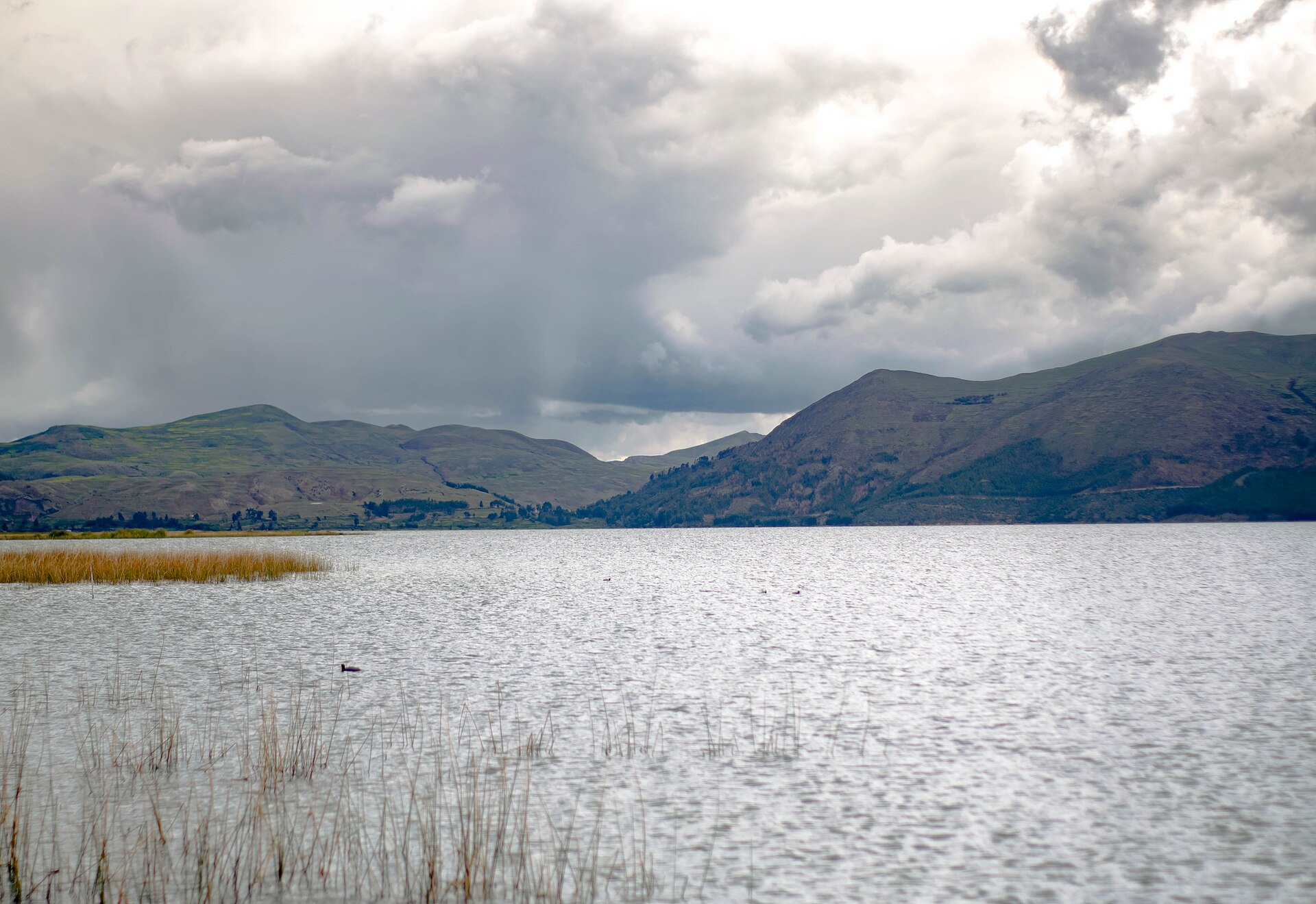
Cusco’s regional tourism authority has launched Cusco Alto Andino, a new route through the provinces of Acomayo and Canas that bundles 46 highland attractions well beyond the Machu Picchu circuit.
Cusco has a new official tourist route, and it deliberately points away from the postcard: Cusco Alto Andino, launched this week, links the highland provinces of Acomayo and Canas southeast of the city.
Key Facts
- Launch. Officially presented on August 26 by Cusco’s regional tourism management, Gercetur.
- Territory. The provinces of Acomayo and Canas, in Cusco’s high Andean south.
- Scale. 46 registered tourist attractions grouped on a single route.
- Portal. Information and planning at visitacusco.gercetur.com.pe, under the lagoon-route banner.
- Angle. Little-visited Andean landscapes, lagoons and living culture beyond the classic Machu Picchu circuit.
A Route for Cusco’s Other Half
Most of Cusco’s three million annual visitors cycle through the same circuit: the Sacred Valley, Machu Picchu and the city’s colonial center.
Cusco Alto Andino, presented by Gercetur on August 26, is the regional government’s bid to spread that traffic toward the highland provinces southeast of the city.
The route groups 46 attractions across Acomayo and Canas, two provinces that see a fraction of the region’s tourism despite sitting within a few hours of the city.
Following the Lagoon Trail
The route’s signature is its chain of high-altitude lagoons, promoted under the slogan of following the lagoon route through Acomayo.
Laguna de Pomacanchi, the largest of them, sits in a wide valley ringed by farming communities and reed beds, with boat rides and trout restaurants on its shore.
Smaller lagoons, wetlands and viewpoints fill out the circuit, most of them above 3,600 meters and empty of the crowds that define the Sacred Valley.
What Else Is on the Map
Beyond the lagoons, the route registers colonial-era churches, pre-Inca and Inca archaeological sites, and villages known for textiles and traditional music.
Acomayo’s towns preserve colonial chapels with mestizo-baroque art, while Canas offers canyon landscapes and highland pastoral culture.
Gercetur’s pitch is living culture: communities that still farm, weave and celebrate on their own calendar, now with an official route to receive visitors.
The Official Portal
The route launches with a dedicated section of the regional tourism portal, visitacusco.gercetur.com.pe, which maps the 46 attractions.
The portal is part of a broader push to formalize community tourism in Cusco, with registered sites, trained local hosts and promoted circuits.
For travelers, it provides the first official, centralized reference for a part of Cusco that until now was reached mostly by word of mouth.
Planning a Visit
Acomayo lies roughly two to three hours southeast of Cusco city by road; the lagoon circuit can be done as a long day trip or an overnight stay.
The route sits above 3,600 meters, so visitors should acclimatize in Cusco city first and dress for cold mornings and strong midday sun.
Community lodgings and family restaurants are the norm; this is rural Cusco, not the Sacred Valley’s boutique-hotel corridor.
More: Peru news in English, every day from The Rio Times.
Sources
Frequently Asked Questions
What is the Cusco Alto Andino route?
A new official tourist route launched by Cusco’s regional tourism authority Gercetur, grouping 46 attractions across the highland provinces of Acomayo and Canas, southeast of Cusco city.
Where can I find information about the route?
On the regional tourism portal visitacusco.gercetur.com.pe, which maps the attractions under the lagoon-route promotion.
Is the route an alternative to Machu Picchu?
It is a complement rather than a replacement: the route showcases little-visited Andean lagoons, churches and communities beyond the classic Machu Picchu circuit.
Connected Coverage
Peru’s regions keep opening beyond the classic circuits — we follow the new routes as they launch.
Sources: Diario El Sol Cusco; Gercetur (Gerencia Regional de Comercio Exterior y Turismo de Cusco).
This article was produced by The Rio Times’ automated newsroom system. How we use AI · Report an error · Editorial responsibility: Matthias Camenzind, Editor-in-Chief
The Cusco Guide
What The Rio Times publishes for foreigners in Cusco, Peru.
This month
Coming up in Cusco
Living in Cusco
Understand Peru