Nigeria Oil Firm Eyes 100,000 Barrels a Day With Qatari Islamic Financing
Nigeria · ENERGY
Key Facts
- —The country Nigeria is Africa’s most populous nation, with about 238 million people. Its economy, roughly US$290 billion, is about the size of Finland’s, and oil dominates exports and state revenue.
- —Why it matters Oil majors such as Shell, Eni and ExxonMobil have sold onshore and shallow-water Nigerian fields to local firms. Those local producers need large new sources of capital to drill.
- —Why now On Monday, 28 September, Shoreline’s chief executive set a public output target backed by Qatari Islamic financing.
- —What happened Kola Karim said new drilling can lift the OML 30 block above 100,000 barrels a day by end-2027.
- —The numbers The facility is worth US$500 million, arranged by Qatar’s largest Islamic lender to refinance debt and fund day-to-day operations.
- —What it means for you Investors see Gulf Islamic banks lending against Nigerian oil reserves, widening funding beyond Western banks and traders.
- —Still open Pricing and tenor have not been published, and the block has missed earlier 100,000-barrel targets.
A Nigerian oil producer says US$500 million in Islamic financing from Qatar Islamic Bank will help it pass 100,000 barrels a day.
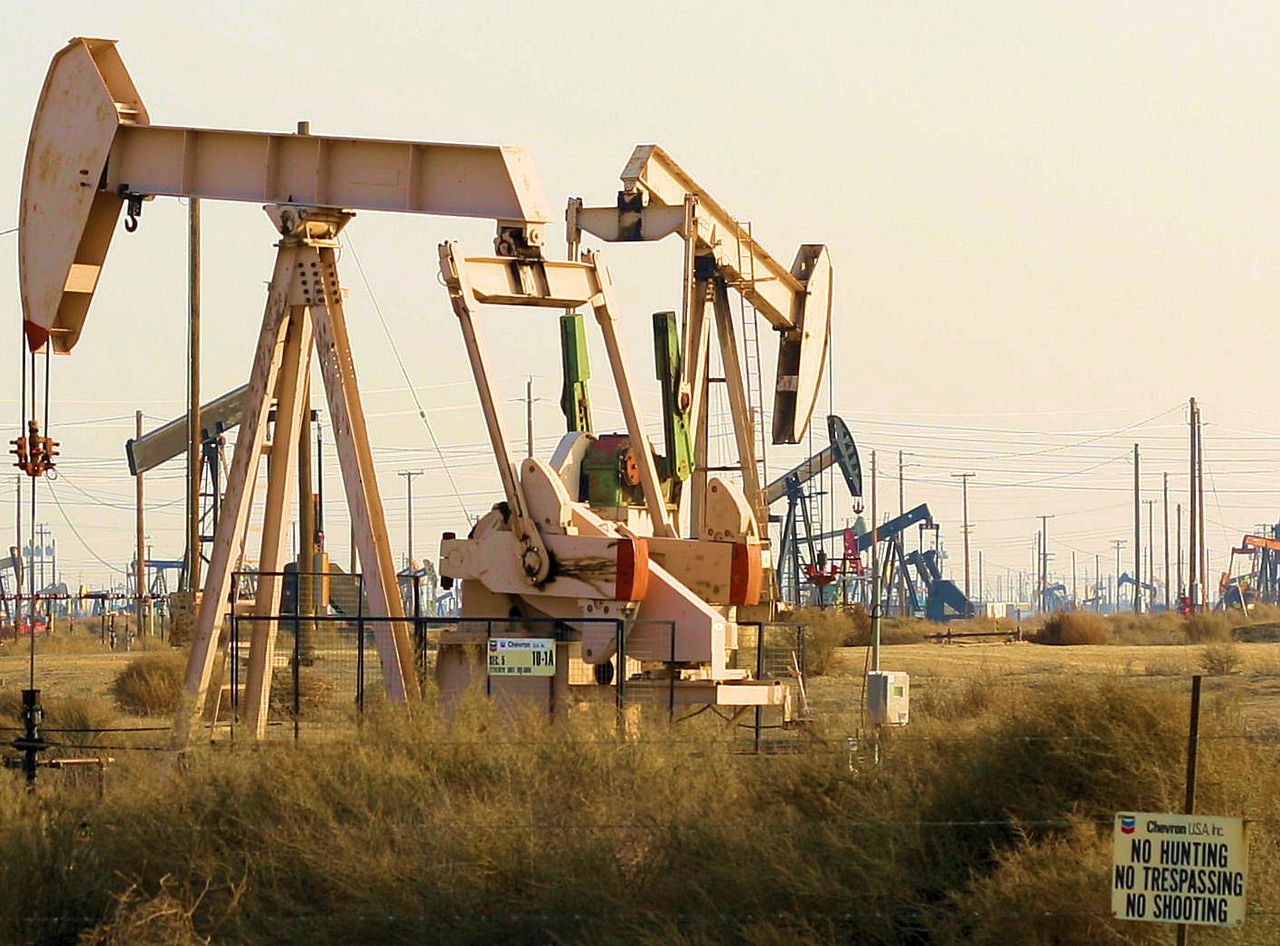
Nigeria, Africa’s most populous country and a member of the OPEC oil cartel, relies on crude for most of its exports. One of its private producers now says Gulf money will help it grow.
Kola Karim, chief executive of Shoreline Energy International, spoke to the news site The Africa Report on Monday. He said new drilling can lift the OML 30 block above 100,000 barrels a day by end-2027.
Who Shoreline is and what OML 30 means
Shoreline Natural Resources is the oil and gas arm of Karim’s group. It is one of a new wave of Nigerian-owned companies taking over fields once run by Western majors.
OML 30 stands for Oil Mining Lease 30, a licence covering onshore fields in the Niger Delta, Nigeria’s oil-producing south. Shoreline first bought into the block in 2012, when Shell and its partners sold a 45% stake to a venture it formed with Heritage Oil.
The block also includes the Trans Forcados pipeline, which carries crude to an export terminal on the coast. That pipeline gives the asset weight well beyond its own wells.
What the financing covers
The US$500 million facility was arranged by Qatar Islamic Bank, known as QIB, and won industry awards in February as one of the notable Islamic finance deals of 2025. Bracewell, the law firm whose London office advised Shoreline, says it refinances existing debt and funds working capital.
It is a commodity murabaha, a structure used by Islamic banks that do not charge interest. The bank buys a commodity and sells it to the borrower at cost plus a fixed mark-up, paid later.
Bracewell says the facility adds reserve-based lending, where loan size is tied to the oil a company can prove it holds. It calls the hybrid a first of its kind in Nigeria.
Recognition from the Islamic finance industry
It won Cross Border Deal of the Year and Nigeria Deal of the Year at the Islamic Finance News awards for 2025. Islamic Finance News is a weekly trade publication covering Sharia-compliant markets.
It was also shortlisted for the publication’s overall Deal of the Year. Bracewell announced both awards on 4 February 2026.
A target that has slipped before
Shoreline has spoken of 100,000 barrels a day for years. Reports cited by Billionaires.Africa, a wealth-news site, have put the block’s output at 45,000 to 70,000 barrels a day.
Karim’s end-2027 date is therefore a company goal, not a forecast from an independent body. Neither Shoreline nor the bank has published the facility’s pricing, tenor or drilling schedule.
Onshore Niger Delta fields also face familiar risks. Pipeline theft, sabotage and community disputes have cut output from the region many times in the past two decades.
Why Gulf money matters for Nigerian oil
For decades, big oil projects in Nigeria were funded by the majors themselves or by Western banks and commodity traders. As the majors leave, local firms must find lenders willing to take on onshore risk.
Shoreline has already widened its search, according to Billionaires.Africa. In 2018 it raised a US$530 million package involving the trader Vitol, the fund Farallon Capital Management and four Nigerian banks.
In June 2026, the site adds, it took a US$200 million facility from Afreximbank, the African Export-Import Bank, mainly for an oilfield project in Algeria. The Qatari deal adds Gulf Islamic capital to that mix.
What it means for investors and businesses
For foreign investors, the deal shows that Islamic banks will lend against Nigerian oil reserves at scale. That could open a new funding channel for other local producers that inherited fields from the majors.
For businesses supplying the oil industry, a drilling push on OML 30 would mean new contracts for rigs, services and pipelines. Much depends on whether the wells deliver.
For Nigeria’s government, higher output from private operators supports export earnings and the foreign currency the country needs. Oil sales remain the largest single source of that income.
What to watch next
The first test is whether Shoreline publishes production figures showing steady growth through 2026 and 2027. Any repeat of pipeline outages would quickly push the target back.
The second is whether other Nigerian producers follow with their own Sharia-compliant facilities. A second deal of this size would show the Shoreline financing was a template rather than a one-off.
Frequently Asked Questions
What is a commodity murabaha?
It is an Islamic financing structure. A bank buys a commodity and sells it to the client at cost plus an agreed mark-up, paid later without conventional interest.
How much did Shoreline raise, and from whom?
Shoreline Natural Resources raised US$500 million through a facility arranged by Qatar Islamic Bank. The money refinances existing debt and funds working capital, according to the law firm Bracewell.
When does Shoreline expect OML 30 to reach 100,000 barrels a day?
Chief executive Kola Karim told The Africa Report that new drilling can lift output above 100,000 barrels a day by end-2027. The company has not published a detailed drilling schedule.
Connected Coverage
Sources
This article was produced by The Rio Times’ automated newsroom system. How we use AI · Report an error
LatAm Markets: Live Signals → — real-time movers, turnover leaders and FX across Latin America.
Read More from The Rio Times