In a surprising turn of events, Colombia’s Congress rejected President Gustavo Petro’s proposed 2025 national budget.
This unprecedented move has thrown the country’s fiscal planning into disarray. The rejection stems from concerns about the budget’s funding, particularly a contentious 12 trillion peso ($2.8 billion) gap.
Petro’s administration, now at its midpoint, faces mounting pressure to deliver on campaign promises. However, economic realities are proving challenging.
The proposed budget of 523 trillion pesos ($122 billion) was ambitious, reflecting Petro’s vision for increased social spending.
Critics argue the budget relies too heavily on uncertain revenue sources. Lawmakers worry about the feasibility of raising additional funds through tax reforms and anti-evasion measures.
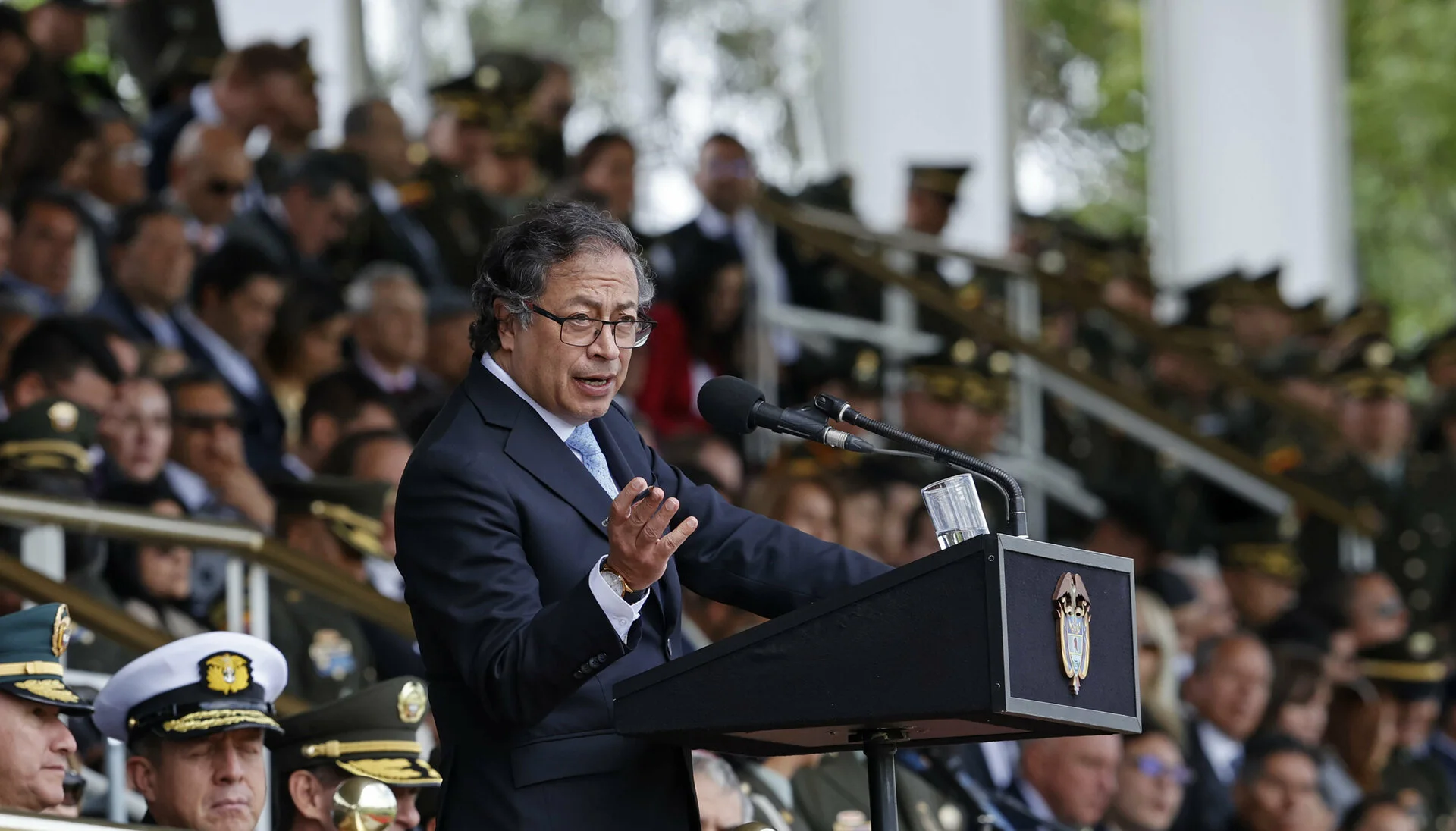
This skepticism led to the budget’s rejection by a 12-1 vote in the Senate’s economic committee. The situation highlights deeper issues in Colombia’s economy.
Despite recent growth and falling inflation, the country grapples with a significant fiscal deficit. The government must now balance its social agenda with fiscal responsibility.
This budget impasse occurs against a backdrop of broader challenges. Security concerns are rising, particularly in regions like Cauca. Petro’s “total peace” policy faces criticism as illegal organizations reportedly gain ground.
The rejection also reflects political tensions between Petro’s administration and opposition parties. It underscores the difficulties of implementing sweeping reforms in a divided political landscape.
Colombia’s economic outlook remains uncertain. While poverty rates have decreased, inequality persists.
The country’s credit outlook was recently downgraded by Moody’s, adding to financial concerns.
Colombia’s Budget Battle: A Test for Petro’s Presidency
Petro now faces a critical juncture. He must navigate between his transformative agenda and fiscal realities. The government has until September 15 to present a revised budget proposal.
This budget crisis is more than a fiscal issue. It represents a test of Petro’s leadership and his ability to build consensus. The outcome will likely shape the remainder of his term and Colombia’s economic trajectory.
As Colombia approaches the 2026 elections, the budget debate takes on added significance. It may influence public perception of Petro’s governance and his party’s chances in future polls.
The coming weeks will be crucial for Colombia’s economic planning. All eyes are on how Petro’s administration will respond to this setback and chart a path forward for the country’s finances.
More: Colombia news in English, every day from The Rio Times.
This article was produced by The Rio Times’ automated newsroom system. How we use AI · Report an error
Read More from The Rio Times