Colombia’s Vehicle Imports Rose 68%, and China Supplied the Most
Rio Times · Colombia
Key Facts
—The figures Colombia imported US$3,161.2 million of vehicles for private use from January to May 2026, up 68.2% on the same five months of 2025.
—China led by far Chinese factories shipped US$1,004.9 million of that total – 814,450 vehicles, against 122,853 from India, the next biggest by volume.
—Where it comes from An analysis by Analdex, Colombia’s foreign-trade association, working from official customs records. Reported by several Colombian outlets.
—Motorcycles led the volume 477,439 motorcycles under 185cc, worth US$479.1 million – about US$1,000 each. Petrol cars and pickups came to 24,211 units.
—Electric drew level with hybrids 18,886 pure electric vehicles at US$439.9 million, against 19,040 non-plug-in hybrids at US$439.5 million.
—The currency, correctly dated The rate averaged 3,682.94 pesos over January to May, against about 4,211 a year earlier. The slide to 3,144 came in June and July, after these imports were booked.
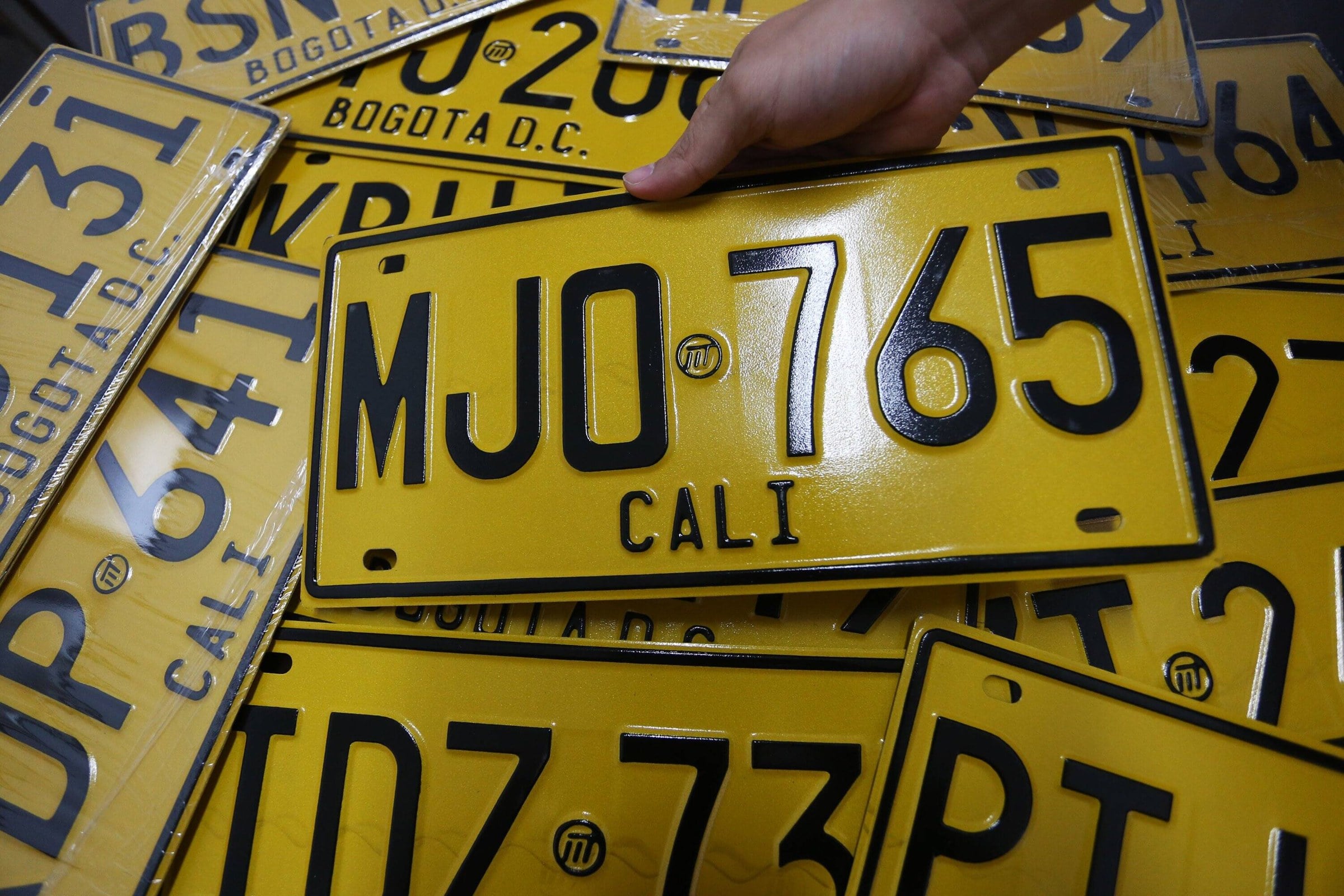
Colombians are importing vehicles again, and what they are mostly importing is motorcycles. Spending on vehicles for private use rose 68% in the first five months of the year.
Most of them came from China, which sent more than six times as many vehicles as its nearest rival.
A 68% rise, and a cheaper dollar behind part of it
Colombia imported US$3,161.2 million worth of vehicles for private use between January and May 2026, up 68.2% on the same five months of 2025. The figure comes from Analdex, the country’s foreign-trade association, working from official customs records.
That makes vehicles the single biggest driver of the country’s import bill this year. Total imports rose 11.1% to US$31.30 billion over the five months, while imports of consumer durables – the category vehicles sit in – rose 47.2%.
Two Colombian outlets published a 2025 base of US$2,454.5 million alongside the 68.2% figure, a pairing that would give 28.8% instead. That base does not appear in Analdex’s report, and the rest of the report’s own numbers fit 68.2%.
Where the figures come from
The analysis is Analdex’s — the Asociación Nacional de Comercio Exterior, Colombia’s foreign-trade association — and was reported by the Cali daily El País, which is unrelated to the Spanish newspaper of the same name.
That provenance matters. This is not a release from DANE, the national statistics office, or from DIAN, the customs authority.
Analdex works from customs import records, but it is a trade body making an argument about the exchange rate, not a neutral statistical publisher. It is also not a sales or registration figure; those run through RUNT, Colombia’s national vehicle register.
Motorcycles, not cars, carried the volume
The report does give unit counts, and they are more interesting than the headline. The single largest item by volume was motorcycles under 185cc: 477,439 of them, worth US$479.1 million, or roughly US$1,000 each.
Among cars and pickups, petrol engines between 1,500 and 3,000cc led on volume at 24,211 units for US$394.1 million. Electrified models were close behind and worth more: 19,040 non-plug-in hybrids at US$439.5 million, and 18,886 pure electric vehicles at US$439.9 million.
That last comparison is the quiet finding. By value, electric cars have drawn level with hybrids in Colombia’s import bill.
China was the largest supplier by value at US$1,004.9 million, ahead of South Korea on US$360.3 million and Mexico on US$320.5 million, then Brazil, Japan and India. By sheer volume the lead is wider still: 814,450 vehicles from China against 122,853 from India.
The currency helps, but not in the way the framing suggests
El País framed the rise around the falling dollar, and Analdex made the same link. The currency move that matters, though, is the one inside the measured period, not the one since.
Between January and May 2026 the official rate averaged 3,682.94 pesos to the dollar, against roughly 4,211 in the same five months of 2025 — a dollar about 12% cheaper. The much steeper slide, to 3,144 pesos by the start of August, came in June and July, after these imports had already been booked.
A dollar 12% cheaper does make an imported vehicle cheaper in local money. It is a long way from accounting for a rise of this size, and nothing in customs data explains why anyone bought.
Colombia is also climbing off a low base. About 67,300 new vehicles were registered in the first four months of 2025, against 100,446 in the same months of 2026 — a rise of roughly 49%, on industry figures drawn from RUNT.
BBVA Research puts 2024 sales at around 201,000 units, a trough year; 2025 recovered to about 254,000.
What to watch
Analdex’s own reading is that vehicles accounted for much of the growth in Colombia’s total imports over the five months. The gain is concentrated, not broad. Brazil saw its own import surge over the same window, driven by Chinese brands, which The Rio Times reported on 1 August.
Monthly trade data for June and July will show whether this holds, and whether the sharper currency move of those two months pushed the numbers further.
Background: Brent Crude Hits US$100 as Houthi Attacks Disrupt Red Sea.
More: Colombia news in English, every day from The Rio Times.
Frequently Asked Questions
By how much did Colombia’s vehicle imports rise?
By 68.2%, to US$3,161.2 million, over January to May 2026, on figures Analdex drew from Colombian customs records. That covers vehicles classed as private transport.
It is an import figure, not a sales or registration figure – those run through RUNT, the national vehicle register.
What did Colombia actually import?
Mostly motorcycles. Machines under 185cc accounted for 477,439 units worth US$479.1 million.
Petrol cars and pickups between 1,500 and 3,000cc came to 24,211 units, hybrids 19,040 and pure electric vehicles 18,886.
Did the strong peso cause it?
It helped, but the timing is looser than the framing suggests. Over January to May the peso averaged 3,682.94 to the dollar against about 4,211 a year earlier, a dollar roughly 12% cheaper.
The sharp rally to 3,144 pesos happened in June and July, after these goods were booked.
Sources: Analdex – Asociación Nacional de Comercio Exterior, El País (Cali), RUNT vehicle registration data, BBVA Research Automotive Outlook
Correction, 2 August 2026: An earlier version of this article reported the increase as 28.8% and said the published figures did not reconcile. Analdex gives the rise as 68.2%, which is consistent with the other consumer-durables figures in the same report; the US$2,454.5 million base figure carried by two Colombian outlets does not appear in it. An earlier version also said the analysis gave no breakdown by country of origin. It does, and that breakdown has been added. The Rio Times regrets the errors.
Connected Coverage
Itaú Colombia Sells Retail Unit to Banco De Bogotá Owner
Brazil Sets US$193 Million Santos Container Terminal Auction
This article was produced by The Rio Times’ automated newsroom system. How we use AI · Report an error
Read More from The Rio Times