Paraguay Stock Exchange Trades to Settle at Central Bank
Rio Times · Paraguay
Key Facts
—What changes The cash side of every trade on Paraguay’s stock exchange moves off a private commercial bank and onto the central bank’s own books.
—Who says so César Barreto, president of the depository CAVAPY, said on 25 June that the central bank connection was the next step and that the company hoped to complete it in August.
—Already delayed once An earlier plan to make the switch across the first half of 2026 was not met. No go-live date has been published.
—Why it matters Today a foreign buyer has to check the solvency of the bank settling the trade. Central bank money removes that question.
—The credit backdrop Moody’s rates Paraguay Baa3, investment grade, since July 2024. S&P followed with BBB− on 17 December 2025. Fitch has BB+ with a positive outlook from 6 October 2025.
—Still a small market The exchange traded a record G 60.4 trillion in 2025, about US$8.06 billion – but 96.7% of that was bonds and only 2.21% company shares.
The man who runs Paraguay’s securities depository said in late June that the switch should be done this month. It is a piece of financial plumbing that sounds dull and matters a great deal: the cash from every trade on the country’s stock exchange moves onto the central bank’s own books.
For the conservative funds Paraguay wants to attract, it is one of the last boxes left unticked.
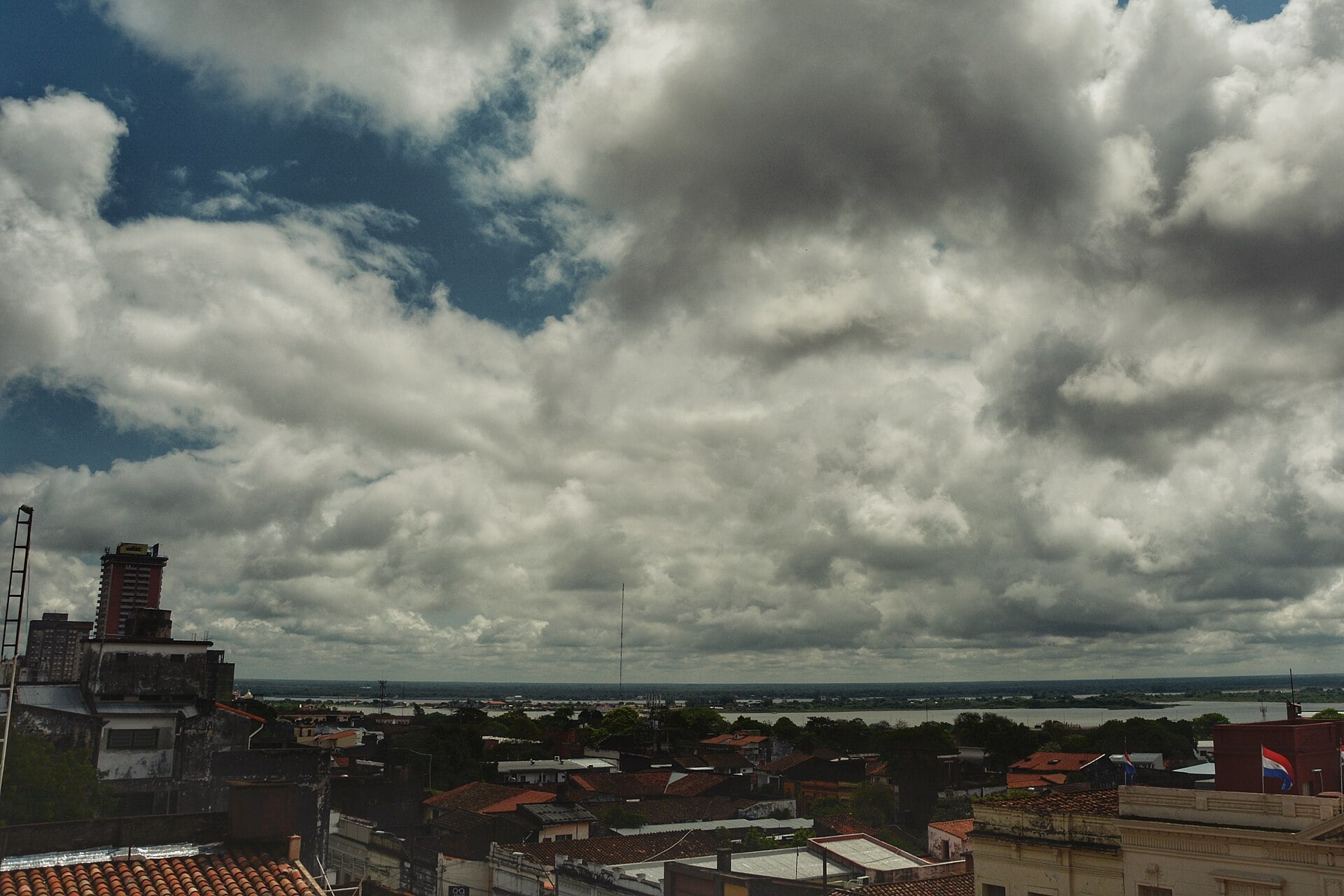
Every time someone buys or sells a share or a bond on the Bolsa de Valores de Asunción, Paraguay’s stock exchange, the cash side of that trade moves through a private commercial bank. The securities themselves are handled elsewhere.
The money is not.
That is meant to change this month. Speaking at the opening of new offices in Asunción on 25 June, César Barreto, president of the Caja de Valores del Paraguay – the institution that holds the country’s shares and bonds and settles trades in them – said the connection to the central bank’s payment system was “the next step, which we hope to complete in August.”
The timetable has already slipped once. In December the depository said the change would happen progressively across the first half of 2026.
That deadline passed at the end of June without an announcement, and neither the depository nor the central bank has published a go-live date.
Why paying through the central bank matters to a foreign investor
The central bank’s payment system is called LBTR, short for Liquidación Bruta en Tiempo Real – real-time gross settlement. Payments over it are processed one by one, instantly, and cannot be reversed. Accounts at a central bank are considered the safest place to hold local currency, because a central bank cannot run out of the money it issues.
The mechanism the depository is aiming for is called delivery versus payment: the securities move only as the money moves, so neither side of a trade can hand over its half and be left waiting for the other. “For that to work perfectly,” CAVAPY director César Paredes said in October, “the depository has to operate and settle the securities through a central bank, as happens everywhere in the world.”
Paredes put the investor case plainly. Under the present arrangement a foreign buyer has to run a solvency check on the private bank that will settle the trade – a step that disappears once the central bank is on the other side.
Those are operational-risk questions, he said, that go away when a central bank is the settlement counterparty.
Where this sits in a three-year rebuild
This is the last stage of a longer overhaul. Paraguay split trading from settlement and custody, put the depository on a new platform and moved the exchange onto Nasdaq trading technology. The Rio Times set out that reform on 20 June, and our reference guide to the exchange explains how it works and what issuers must disclose.
CAVAPY has been explicit that the settlement upgrade and Paraguay’s credit standing are connected. Paredes said the system was designed so the country could make use of the opportunities a second investment-grade rating would bring, with a set-up adjusted to global standards and ready to receive larger volumes of investment.
Two investment-grade ratings already in hand
Paraguay now carries investment-grade sovereign ratings from two of the three major agencies. Moody’s lifted the country to Baa3 in July 2024.
S&P followed with BBB− on 17 December 2025. Fitch still rates Paraguay BB+, one notch below investment grade, but moved it to a positive outlook on 6 October 2025.
Investment grade is the line many institutional investors are not allowed to cross. Below it, a fund with a conservative mandate often simply cannot buy, whatever it thinks of the country.
The size of the market today
Paraguay’s stock exchange is small. It traded a record G 60.4 trillion in 2025 – about US$8.06 billion – but bonds made up 96.7% of that volume and company shares just 2.21%.
The exchange finished the year with 155 active issuers and more than 51,200 registered investors.
Growth has since flattened. The first half of 2026 brought G 27.3 trillion, roughly US$4.41 billion, a shade below the same period a year earlier – though June alone was the busiest month of the year so far, at G 5.08 trillion, about US$835 million.
CAVAPY held US$5.18 billion of securities in custody at the end of March.
What to watch
The only thing that settles this story is an announcement. If the connection goes live in August, Paraguay will have closed the gap between a small exchange and the settlement standard large investors expect.
If it slips again, that becomes the story instead.
More: Paraguay news in English, every day from The Rio Times.
Frequently Asked Questions
What is CAVAPY?
The Caja de Valores del Paraguay, the country’s central securities depository. It holds securities, keeps the register, and clears and settles the trades done on the Asunción exchange.
Why does settling through the central bank matter?
Because the cash currently passes through a private commercial bank, so a foreign buyer has to satisfy itself that the bank is sound. Money held at a central bank does not carry that question, and settlement is instant and final.
When does the change happen?
CAVAPY’s president said on 25 June that the company hoped to complete the connection in August 2026. An earlier plan to do it across the first half of 2026 was not met, and no go-live date has been published.
Does Paraguay have an investment-grade rating?
From two of the three major agencies. Moody’s assigned Baa3 in July 2024 and S&P BBB− on 17 December 2025.
Fitch rates Paraguay BB+, one notch below investment grade, with a positive outlook from 6 October 2025.
Sources: Revista PLUS, CAVAPY, ABC Color, Banco Central del Paraguay
Connected Coverage
Colombia’s Vehicle Import Numbers Don’t Add Up, and the Currency Only Explains Part of It
This article was produced by The Rio Times’ automated newsroom system. How we use AI · Report an error
Read More from The Rio Times