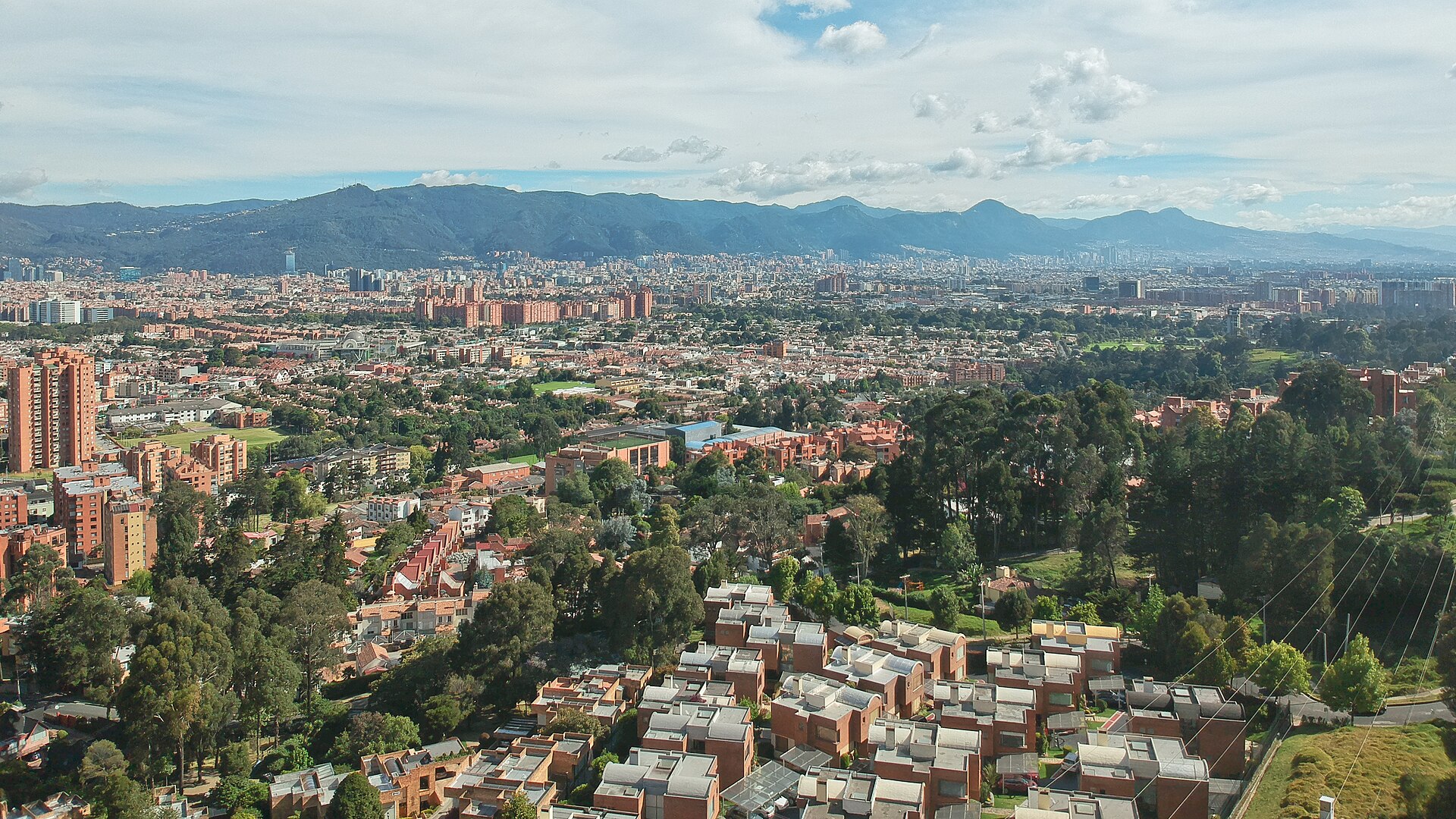
Construction
Key Facts
—The count. Colombia’s construction chamber says 425 homebuilding firms have disappeared in four years, a 28 percent fall to 1,093.
—Who went. Firms outside the largest two hundred were hit hardest, roughly halving their sales volume over the same period.
—What survives. The remaining firms hold 2,670 projects and 575,519 homes, of which 316,304 are already under construction.
—The telling detail. The share of firms building social housing barely moved, from 52 to 51 percent. Appetite did not collapse; the firms did.
—The backdrop. Construction was the worst-performing sector of the economy in the first quarter, contracting 5.4 percent year on year.
—The caveat. Camacol lobbies for the subsidy programme it wants restored, so read its framing accordingly. The counts are its own.
Everyone has been watching demand fall in the Colombia housing market. The more telling number is how many companies are left to build anything at all.
The Colombian Chamber of Construction, known as Camacol, published an analysis on Thursday that reframes a familiar story. It counted the builders.
The chamber reports 425 fewer firms developing housing projects than four years ago, leaving 1,093 active. That is a fall of 28 percent, which implies the sector once held around 1,500 builders.
The Colombia housing market is consolidating, not just shrinking
The disappearances were not spread evenly. Camacol found that companies outside the two hundred largest lost market share and cut their sales volume by roughly half over four years.
That is the mark of consolidation rather than collapse. Big builders with strong balance sheets absorbed the shock, while smaller ones went under, unable to carry unsold homes or wait out a subsidy freeze.
One figure in the analysis deserves more attention than Camacol gives it. The share of firms launching social housing, the segment Colombians call VIS, fell only from 52 percent to 51 percent.
Read those two numbers together and the usual account wobbles. Builders did not abandon affordable housing in disgust; instead the builders themselves vanished, and the survivors kept much the same appetite for it.
What is left standing
The surviving firms are not idle. Between them they hold 2,670 projects covering 575,519 homes, with 259,215 in presale and 316,304 physically under construction.
Social housing still leads the pipeline. As of May, 673 firms were developing 1,427 such projects totalling 380,156 units, roughly two-thirds of everything being built.
Camacol’s own conclusion is that the sector keeps a solid base of more than a thousand companies able to drive a recovery. The chamber would say that, and it is also probably true.
Why the Colombia housing market thinned out
Three pressures arrived together. The Mi Casa Ya subsidy programme was altered in 2023 and closed in December 2024, and no new allocations have been made this year against more than sixty-seven thousand granted in 2022.
Mortgage costs climbed as the central bank held its benchmark rate high and the country’s risk premium widened. Building costs rose too, and the central bank has linked that rise largely to a minimum wage increase of twenty-three percent.
The result shows up in the national accounts. Construction posted the sharpest annual fall of any sector in the first quarter of this year, dropping more than five percent while the wider economy grew.
Buyers walked away in numbers. Separate Camacol figures reported in the Colombian press put withdrawals from new-home purchases at 43,659 by May, more than double the 2022 count, with social-housing cancellations up by roughly 174 percent over four years.
A withdrawal is a family that signed, then could not close, usually because a mortgage was refused or a subsidy never arrived. For a small builder, each one is a home that must be sold twice.
Why this matters beyond Bogotá
A thinner industry is slower to respond when conditions improve. Colombia forms close to 370,000 new urban households a year, yet started barely 115,000 homes in 2025, its lowest count since 2012.
Fewer builders means that gap closes more slowly, even under a friendlier government. Capacity, once dismantled, takes years to rebuild.
One live proposal could deepen it. The housing ministry has floated a decree to cap and control social-housing prices, which by Camacol’s estimate would touch around a third of that market.
Camacol warns that, if the decree is adopted, housing starts could fall to about eighty thousand units this year, a fresh record low. Builders would be asked to sell more cheaply into rising costs.
The timing is pointed. A new administration takes office on August 7, inheriting a sector its own trade body has called to be in a technical recession, and a handover process that collapsed this week.
President Gustavo Petro has publicly disputed the chamber’s diagnosis. He argues the remedy lies with the central bank lowering interest rates, not with his housing policy, and the dispute will outlive his term.
How many homebuilders has Colombia actually lost?
Camacol counts 425 fewer firms developing housing projects than four years ago, a fall of 28 percent that leaves 1,093 companies active. Those that remain hold 2,670 projects and 575,519 housing units between them, so the pipeline has survived better than the industry that builds it.
Did builders abandon social housing?
Not really, and this is the surprise in the data. The share of firms launching social housing slipped only one percentage point, from 52 percent in 2022 to 51 percent now, meaning the sector lost companies rather than losing interest in the affordable segment.
Should a foreign investor trust these figures?
The counts come from Camacol’s own census of the sector, and it is a trade body campaigning to have the Mi Casa Ya subsidy restored, so its reading carries an agenda. The underlying numbers match official data showing construction as the worst-performing sector of the economy this year.
More: Colombia news in English, every day from The Rio Times.
Frequently Asked Questions
How many homebuilding firms have disappeared in Colombia since 2022?
According to Camacol, 425 homebuilding firms have disappeared over the past four years, a 28 percent decline. This leaves 1,093 active firms, down from roughly 1,500.
Which firms were hit hardest by the consolidation?
Firms outside the largest two hundred were hit hardest, roughly halving their sales volume over the same period. Larger, established builders appear to have weathered the contraction better than smaller operators.
How did social housing construction hold up during this period?
The share of firms building social housing barely moved, slipping only from 52 to 51 percent. Camacol reads this as evidence that appetite for social housing did not collapse — rather, the firms themselves disappeared.
Connected Coverage
Bogotá Housing Withdrawals Surge 11.5%
Colombia’s Q1 Economy Grew 2.2%, Pulled by Government Spending
Colombia’s Handover Collapses: What the Broken Transition Means
This article was produced by The Rio Times’ automated newsroom system. How we use AI · Report an error · Editorial responsibility: Matthias Camenzind, Editor-in-Chief
In depth
LatAm Markets: Live Signals → — real-time movers, turnover leaders and FX across Latin America.