Panama Braces for a Strong El Niño — a Threat to a Canal That Runs on Rainwater
Politics
Key Facts
—The upgrade. Panama’s meteorological institute now classifies the event as a strong El Niño, and says it is escalating.
—The order. President Mulino told every state institution on Thursday to accelerate contingency planning.
—The forecast. Rainfall deficits and higher temperatures are expected from July through December.
—The membership. The commission created in May includes the Panama Canal Authority, because the canal runs on fresh water.
—The larder. Panama eats about 788,000 quintales of rice a month, and the agriculture minister said in May that stocks ran to October.
—The precedent. The 2023-24 El Niño cut daily canal transits from a normal 36 to 38 vessels down to as few as 18.
The Panama El Niño now forming has been upgraded to a strong event. The government committee assembled to watch it includes the authority that runs the world’s most important shortcut.
President José Raúl Mulino delivered the news on Thursday from Changuinola, in the northern province of Bocas del Toro. He had summoned the director of the meteorological institute to Tuesday’s cabinet meeting to hear the latest forecasts.
Things do not look good, he told reporters afterwards, and he meant it. The institute’s director, Luz Graciela de Calzadilla, now classifies the event as a strong El Niño that is climbing towards graver positions.
The forecast runs through December. Rain this month is expected to be near or below normal across most of the country, and August looks worse still along the Pacific slope.
The timing is unkind. July is when Panama’s rice and maize growers prepare their main harvest, and it is the month the rain is now forecast to fail.
Why the Panama El Niño reaches beyond the farms
The commission Mulino’s cabinet created in May is chaired by the government minister and staffed by the obvious departments. Agriculture, health, environment, finance, the water utility, the meteorological service.
It also seats the Panama Canal Authority, and the ministry for canal affairs alongside it. Mulino explained the choice himself when he announced the body, citing the implications for the water resource.
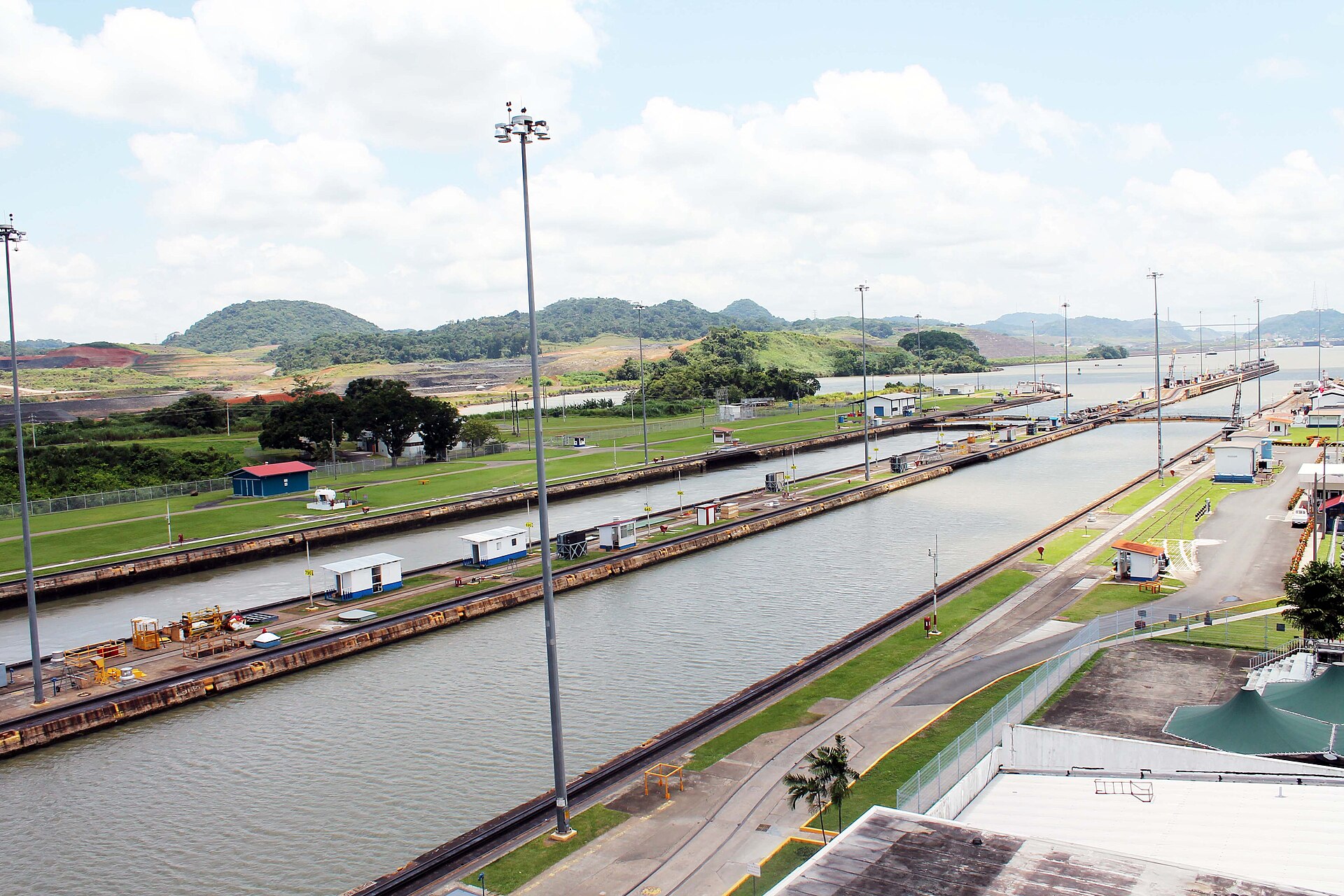
That phrase does a great deal of work. Every ship that crosses Panama is lifted over the continental divide by fresh water drawn from Gatún and Alhajuela, lakes that also supply drinking water.
Rainfall is therefore not a farming variable in Panama. It is the fuel of a waterway that carries somewhere between five and six percent of world maritime trade.
A promise made under different weather
In May the canal authority said it planned no further transit restrictions for the rest of this year, with its reservoirs close to ideal operating ranges. That assurance came with a condition attached.
The authority named the 2027 dry season as its structural test. It framed that around whether a forecast El Niño materialised in the second half of 2026, and the meteorologists have now told the cabinet the event is here and strengthening.
Nobody has announced a restriction, and none of this week’s statements mention one. What has changed is that a conditional has become an indicative.
The last strong El Niño supplies the scale. During the drought of 2023 and 2024 the canal cut daily crossings from a normal thirty-six to thirty-eight vessels down to as few as eighteen, and gas carriers abandoned the route for the long way round Africa.
The rice question, which is domestic
Panama eats roughly seven hundred and eighty-eight thousand quintales of rice each month, the quintal being the hundred-pound measure the trade still uses. According to the Panamanian daily La Estrella de Panamá, the president says the impact is already visible in high temperatures and thinning pasture.
He speaks as a farm owner as well as a president, and reported walking his own land last week to find the grass very low. The agriculture ministry is preparing fertiliser, hay bales and cattle feed for the Arco Seco, the dry arc of the Pacific plain.
Heat stress kills cattle, and the ministry is evaluating medicines against the blood parasite it brings on. Azuero, the peninsula that grows much of the country’s food, is worst hit.
On rice itself the minister, Roberto Linares, said in late May that stocks ran to October, with approved imports adding a little more than a further month. Mulino has promised that imports will follow only a confirmed shortage, and will not be used to flood the market and undercut Panamanian growers.
The president has also warned that the drought could reach the banks, saying it could affect the financing of producers and agro-industry alike. In an economy where crops secure loans, a thin harvest is a credit question as much as a farming one.
Will the Panama El Niño close the canal?
Nothing announced this week suggests that. The canal authority said in May it saw no need for further transit restrictions this year, though it flagged the 2027 dry season as the real test if an El Niño arrived.
What is the commission actually doing?
Its mandated measures include constant monitoring of lakes, reservoirs and river basins, drilling wells for the farm sector, adapting planting cycles to the forecasts and shifting towards drought-tolerant crops.
What should a shipper watch?
The reservoir levels rather than the rice. Panama’s dry season runs from roughly January, so the effects of a rainless second half of 2026 would land at the start of 2027.
More: Panama news in English, every day from The Rio Times.
Frequently Asked Questions
How severe is the El Niño event currently affecting Panama?
Panama's meteorological institute has classified the event as a strong El Niño that is still escalating toward graver positions. The forecast anticipates rainfall deficits and higher temperatures continuing from July through December.
Why is the Panama Canal Authority included in the government's El Niño commission?
The Panama Canal Authority was included in the commission created in May because the canal operates on fresh water. Every ship transit consumes reservoir water that a strong El Niño may not replenish, and the 2023-24 event cut daily transits from a normal 36-38 vessels down to as few as 18.
What is the potential impact of El Niño on Panama's food supply?
Panama consumes about 788,000 quintales of rice per month, and as of May the agriculture minister reported that stocks would last until October. President Mulino has ordered every state institution to accelerate contingency planning in response to the threat.
Connected Coverage
Panama Canal Drops Transit Restrictions for the Rest of 2026
El Niño Is Back: What a Hotter, Drier 2026 Means for Latin America
This article was produced by The Rio Times’ automated newsroom system. How we use AI · Report an error · Editorial responsibility: Matthias Camenzind, Editor-in-Chief
LatAm Markets: Live Signals → — real-time movers, turnover leaders and FX across Latin America.