Colombia’s One Gas Terminal Is Already Promised to Three Power Plants
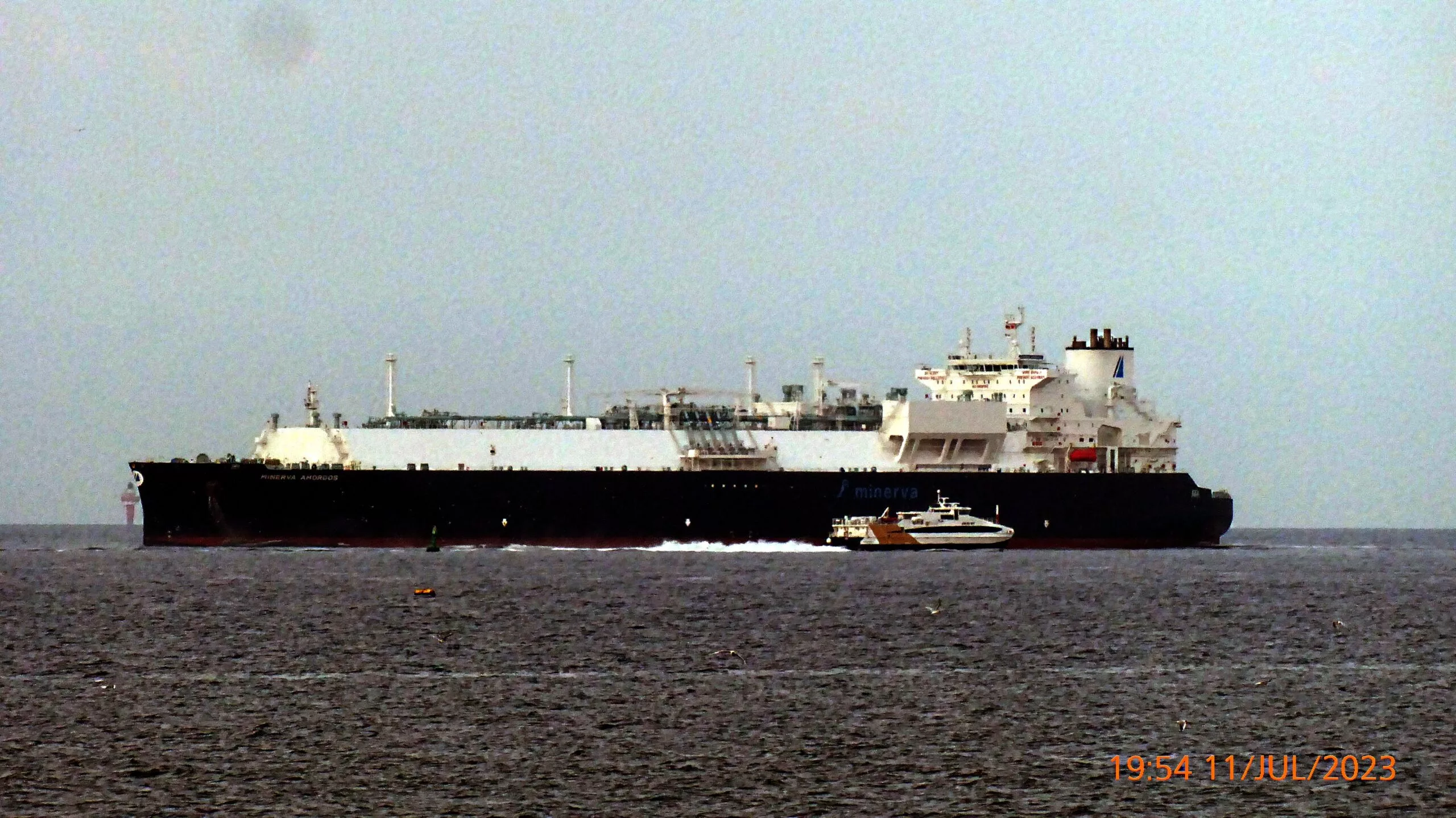
Energy
Key Facts
—The bottleneck. Colombia’s only import terminal, SPEC in Cartagena, is all but spoken for: about 450 of its 465 units of daily capacity are reserved for three power stations.
—The remainder. Only about 5% of the terminal is left for homes, shops and industry.
—The share. Imports covered about a third of consumption in early July, against under 3% in 2015-2023.
—The price. Cargoes for June to August were contracted at $18.39 per million British thermal units, up from $13.96.
—The premium. Colombian wholesale gas costs about three times the US benchmark price.
—The clock. Reserves cover 5.9 years of output, down from 14.1 years in 2007.
Colombia gas imports now cover about a third of what the country burns. Everyone knows the safety net is a single terminal at Cartagena, yet almost nobody has read the government report explaining that the net is already spoken for.
The utilities regulator published it in May. Its arithmetic is the most alarming sentence in Colombian energy this year.
Colombia gas imports run through one door, and it is nearly shut
The terminal, known as SPEC, can regasify four hundred and sixty-five units of gas a day in the local measure. The Superintendencia de Servicios Públicos says around four hundred and fifty of those are committed to three thermal power stations.
That leaves roughly twenty-five units for everybody else. Households, corner shops, factories and filling stations share about five percent of the country’s only import terminal.
The three plants involved represent under a third of Colombia’s gas-fired generating capacity. The rest of the fleet, and the rest of the economy, has no comparable claim on imported fuel.
The dependency built quickly. Imports supplied under three percent of the country’s gas between 2015 and 2023, then jumped past twenty percent within two years.
Now add the weather. Forecasters expect a dry El Niño in the second half of the year, which drains the reservoirs behind the dams that supply most of Colombia’s power.

The fuel got dearer just as the country needed more
Cargoes for the March to May window were contracted in February at just under fourteen dollars per million British thermal units. The June to August cargoes were closed in May at more than eighteen.
That is a rise of roughly a third, locked in for the exact months when a drought would bite. The analyst Sergio Cabrales, who has tracked these contracts closely, puts the increase at thirty-two percent.
Industry is already voting with its burners. Sales of bottled petroleum gas grew nearly nineteen percent in the first four months of the year as food, glass, construction and paper plants switched away from natural gas.
Imported gas now sets the price of Colombian gas
Here is the finding that should interest anyone holding Colombian assets. The regulator states plainly that the cost of imported gas is now the ceiling against which domestic gas is priced.
Wholesale gas in Colombia has climbed from under three dollars per million BTU in 2017 to about ten and a half. That is a cumulative rise of two hundred and fifty-one percent, while the American benchmark averaged three and a half dollars last year.
Colombian gas therefore trades roughly two hundred percent above the international reference. The regulator calls this an artificial increase, because cheaper domestic wells are being valued off a shipped molecule.
The pattern shows up in contracts as well. Firm supply deals averaged about six and a half dollars per million BTU last year and roughly eight this year, a jump of almost a quarter.
Somebody absorbs that. In 2025, regulated customers, meaning ordinary households, paid contracted prices almost forty-nine percent above what large unregulated buyers paid.
Where this lands: the inflation the central bank is fighting
Colombian inflation reached 4.82% in June, and housing and utilities alone added more than a point and a half of it. The Banco de la República has answered by lifting its policy rate to 12%.
Interest rates do not drill wells. As long as a shipped cargo sets the domestic price, monetary policy is fighting an import bill rather than an overheating economy.
Relief exists, but the calendar is unkind. A small Pacific terminal at Buenaventura, once slated for August, is now due to start on the first of November. A second Caribbean facility has slipped into 2027.
The real fix lies offshore, in the Sirius field, the largest gas find in Colombian history. It is not expected to produce commercially before 2030.
The regulator’s own recommendations read like an admission. It proposes price ceilings, limits on reselling the same molecule, and a ban on supplying households through the speculative resale market.
Meanwhile the underlying number keeps shrinking. Proved reserves now cover under six years of production, against more than fourteen years in 2007.
How large are Colombia gas imports?
Imported gas covered roughly a third of national consumption in early July. That is up from less than three percent across the years from 2015 to 2023.
Why does this raise household bills?
The regulator says imported gas now acts as the reference price for domestic gas. Regulated customers also pay more than large industrial buyers.
What happens if a drought arrives?
Hydropower supplies most of Colombia’s electricity. A dry season forces gas-fired plants to run harder, against an import terminal that is largely committed already.
More: Colombia news in English, every day from The Rio Times.
Frequently Asked Questions
How much of Colombia's only gas import terminal is already reserved, and for what purpose?
About 450 of the SPEC terminal's 465 daily capacity units are committed to three thermal power stations. That leaves only roughly 5% of capacity for households, shops, factories and filling stations.
How dramatically have Colombia's gas imports grown, and what are they costing?
Imports covered about a third of Colombia's gas consumption in early July 2024, against under 3% across the whole 2015-2023 period. Cargoes for June to August were priced at $18.39 per million British thermal units, up from $13.96, roughly three times the US benchmark price.
How have Colombia's domestic gas reserves changed over time?
Colombia's gas reserves now cover 5.9 years of output, a sharp fall from 14.1 years in 2007. This drop is a key reason the country leans more on imports through the single SPEC terminal in Cartagena.
Connected Coverage
Colombia’s Gas Is Running Out Just as a Drought Threatens Its Power
Colombia Pacific LNG Terminal to Start Gas Imports Nov 1
Sirius Gas: How One Offshore Find Could Rewire Colombia’s Energy Math
This article was produced by The Rio Times’ automated newsroom system. How we use AI · Report an error · Editorial responsibility: Matthias Camenzind, Editor-in-Chief