Colombia’s US$326 Million Choco Road Package Is a Roadmap, Not a Budget Line
COLOMBIA · INFRASTRUCTURE
Key Facts
- —The sum One trillion Colombian pesos, about US$326m at Monday’s official rate of 3,072.27.
- —The split Half through the obras por impuestos tax-offset scheme, half from private investment.
- —The corridors Quibdo to Animas and Novita, San José del Palmar to El Cairo, Istmina to Puerto Meluk.
- —Also included Roads towards Darien and Tutunendo, plus upgrades to Bahia Solano airport.
- —The setting A 7 September summit in Quibdo with Colombia’s largest business owners.
- —The catch No spending period has been published. Projects are still being defined, not funded.
It was announced in Quibdo on 7 September, restated on television on Sunday, and reported as new on Monday.
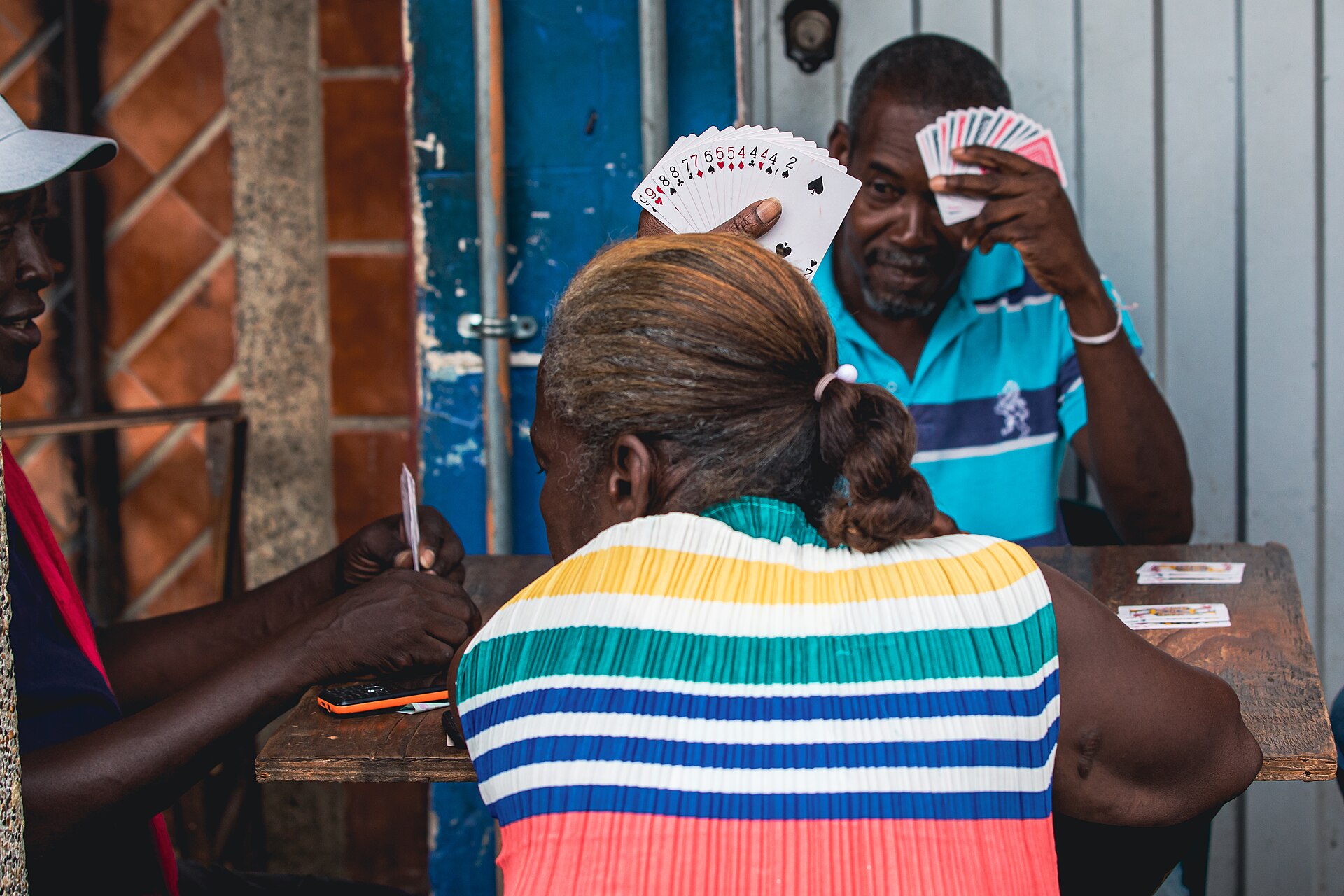
A Choco road package worth one trillion Colombian pesos has been widely reported as a Monday announcement. It was announced a week earlier and it is not yet money.
Both points matter for anyone trying to judge it. The structure is unusual, and the commitment is softer than the headline number suggests.
Where the Figure Comes From
The sum is one trillion pesos, or about US$326m at Monday’s official rate of 3,072.27 to the dollar. The structure is a half and half split.
Five hundred billion pesos, about US$163m, would come through obras por impuestos. That is a Colombian scheme allowing companies to discharge tax liabilities by building public works in designated regions.
The other five hundred billion would be private investment. That is not a tax mechanism and carries no automatic obligation.
So the public commitment in the conventional sense is close to zero. The state is offering a route for other people’s money, not appropriating its own.
Which Roads
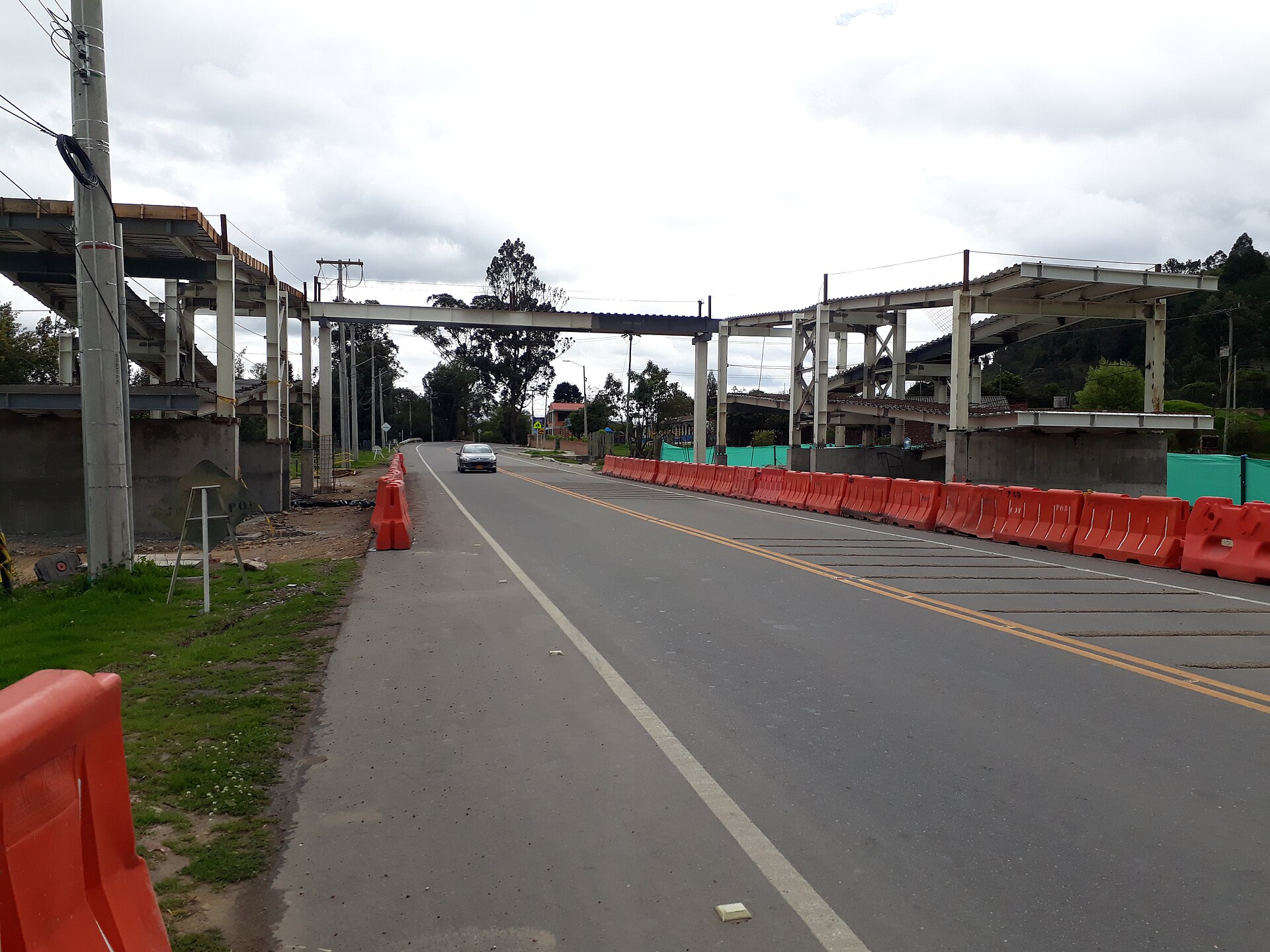
Three corridors are named consistently across the Colombian reporting. Quibdo to Animas and on to Novita is the first.
San José del Palmar to El Cairo is the second, and Istmina to Puerto Meluk the third. Roads towards Darien and Tutunendo are also mentioned.
Upgrades to Bahia Solano airport sit alongside them. Outlets differ on whether that makes five road projects or six.
Because of that, no project count appears here. The corridors themselves are the reliable detail.
The Quibdo Summit
The Choco road package emerged from a meeting in Quibdo on 7 September 2026. President Abelardo De la Espriella convened it with several of Colombia’s wealthiest business owners.
The Gilinski brothers, Luis Carlos Sarmiento, Fuad Char, Christian Daes and David Velez are all reported to have attended. Fourteen measures came out of the meeting.
The road package is the fourth of them. Others include a Quibdo waterfront, a canal or railway study, a special mining regime and a processing plant.
The president’s own framing invoked a Marshall Plan for the department. That is his description, not an assessment.
He restated the package during his television address on Sunday, 13 September. Coverage published on Monday then read as fresh news.
What Has Not Been Published
No disbursement horizon has been given. There is no completion date and no annual schedule.
Infobae describes the package as a roadmap for investment and structuring. Bancolombia is reported to be offering structuring support.
That is the language of a pipeline, not of a contract. Nothing in the public record shows tendered, awarded or financed works.
A reader who takes that trillion pesos, about US$326m, as committed spending is reading it wrong. The correct reading is that a framework has been set out and the money has not moved.
Why Choco
Choco sits on Colombia’s Pacific coast and has long been the country’s poorest department by most measures. Its road network is the thinnest on the mainland.
Quibdo, the capital, has limited paved connection to the interior. Much internal movement is by river.
That is the gap the corridors are meant to close. It is also why previous announcements have repeatedly failed to translate into completed road.
The department’s history with infrastructure promises is long. Judging this one will mean watching for tender documents rather than speeches.
A Note on Two Other Figures
Some secondary summaries attach much larger numbers to the Choco energy items, rendered as billions of dollars. Those appear to come from mistranslating the Spanish for thousand millions.
They could not be confirmed against any primary source and are omitted here. Readers encountering them elsewhere should treat them with care.
The government has separately announced budget cuts of 17.4 trillion pesos, about US$5.66bn. The 2027 budget is 635 trillion pesos, about US$207bn.
Forty-four per cent of that budget would be debt-funded. That is the fiscal room any new commitment has to fit inside.
Those are the numbers that describe the fiscal room available. They are the context against which any new spending commitment has to be read.
More: Colombia news in English, every day from The Rio Times.
Frequently Asked Questions
How much is the Choco road package worth?
One trillion Colombian pesos, about US$326m at the official rate of 3,072.27 to the dollar on 14 September 2026.
Is the money committed?
No. Half is a route for companies to discharge tax through public works, and half is hoped-for private investment. No disbursement schedule has been published.
Which roads are included?
Quibdo to Animas and Novita, San José del Palmar to El Cairo, and Istmina to Puerto Meluk, plus roads towards Darien and Tutunendo and upgrades to Bahia Solano airport.
When was it announced?
At a summit in Quibdo on 7 September 2026 with several of Colombia’s largest business owners. It was restated in the president’s television address on 13 September.
What is obras por impuestos?
A Colombian mechanism that lets companies settle tax liabilities by building public works in designated regions, rather than paying cash to the treasury.
Sources: El Colombiano, Infobae, Semana, Las2Orillas and El Pais of Cali. Exchange rate from the Colombian financial superintendency.
This article was produced by The Rio Times’ automated newsroom system. How we use AI · Report an error
In depth
Read More from The Rio Times