Argentina Mining Exports Rose 74% in Six Months. The Metal Output Behind Them Fell.
ARGENTINA · MINING
Key Facts
- —The headline Mining exports of US$4.74bn in the first half, against US$2.71bn a year earlier.
- —The growth 74.4%, from the mining secretariat. The figure was first published at the end of July.
- —The output Total mined production grew 8.4%. That is the number describing physical activity.
- —Gold About 61% of mining exports. Export value rose 51%, while 2025 production fell 6%.
- —Lithium Export value up 185% and volume up 68%, achieved while lithium prices were falling.
- —The catch Copper drove none of this. Argentina’s large copper projects are not yet producing.
A price rally and a production boom look identical in an export table. They are not the same thing.
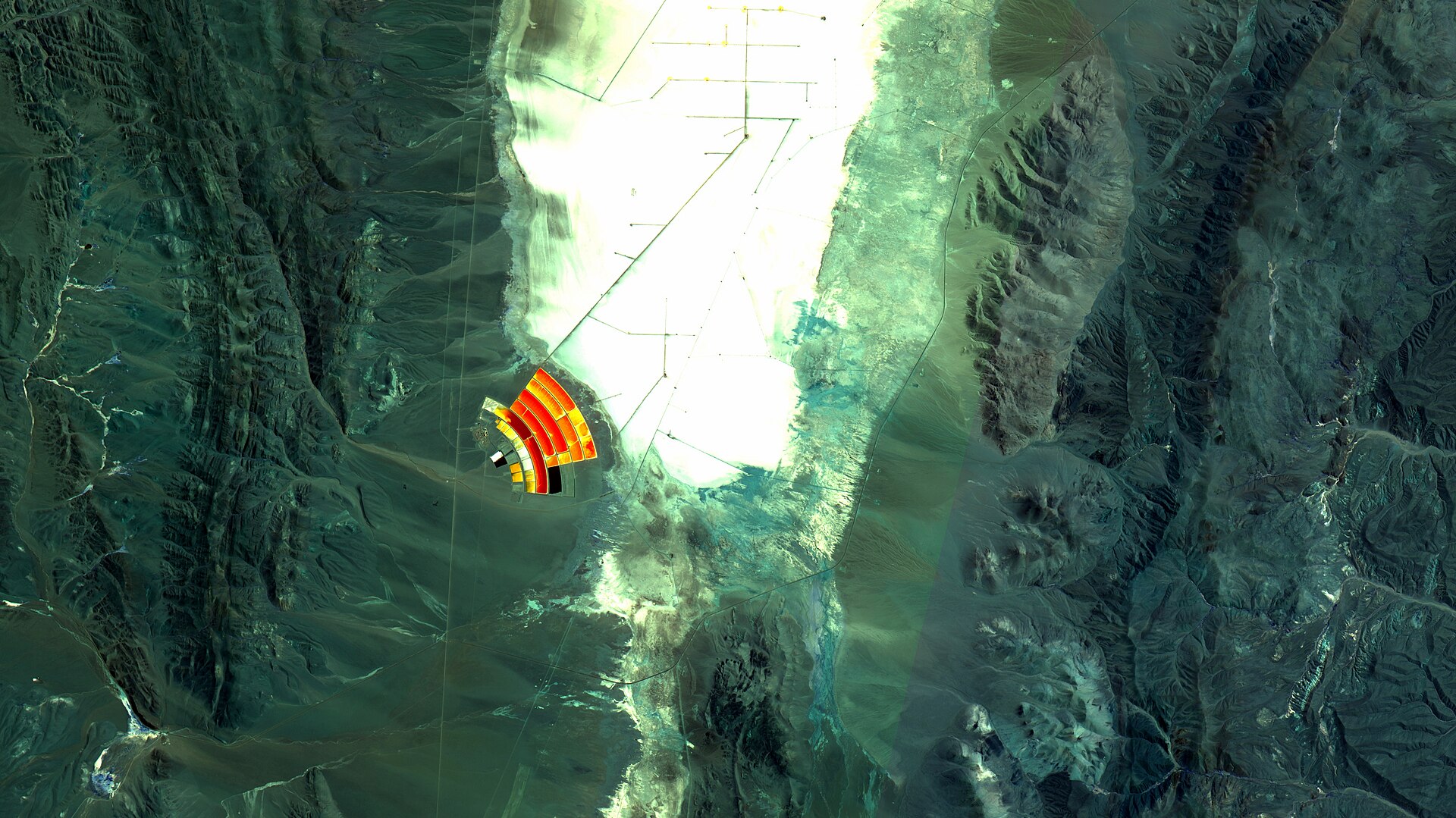
Argentina mining exports reached US$4.74bn in the first half of 2026. The comparable figure a year earlier was US$2.71bn.
That is growth of 74.4%, and it has been reported this week as a boom. The production data tells a more complicated story.
The export line rose steeply, and the joint industry report restating it appeared on Monday, 14 September 2026. The underlying export figure is older.
Where the Number Comes From
The 74.4% figure originates with Argentina’s mining secretariat and was published at the end of July. Economy minister Luis Caputo promoted it then.
It returned to circulation on 13 September through a joint report by the mining chamber and the Rosario Board of Trade. That report added central bank investment data.
It did not come from the national statistics institute. Attributing it there would be wrong.
So the export number is six weeks old and the investment number is new. The two arrived together and are being read as one announcement.
The Production Data Undercuts the Framing
Total mined production in Argentina grew 8.4% in the first half. That is the figure describing how much material actually came out of the ground.
Set against export growth of 74.4%, the gap is the price. Metal markets did most of the work.
Gold is about 61% of Argentina mining exports and its export value rose 51.2%. Gold production in 2025 fell 6%.
Silver is third by value. Its export value rose 87.9% while 2025 production fell 7.8%, as silver moved from roughly US$38.80 an ounce to about US$60.
Two of the three largest contributors are producing less metal and selling it for much more. That is a price story wearing a volume story’s clothes.
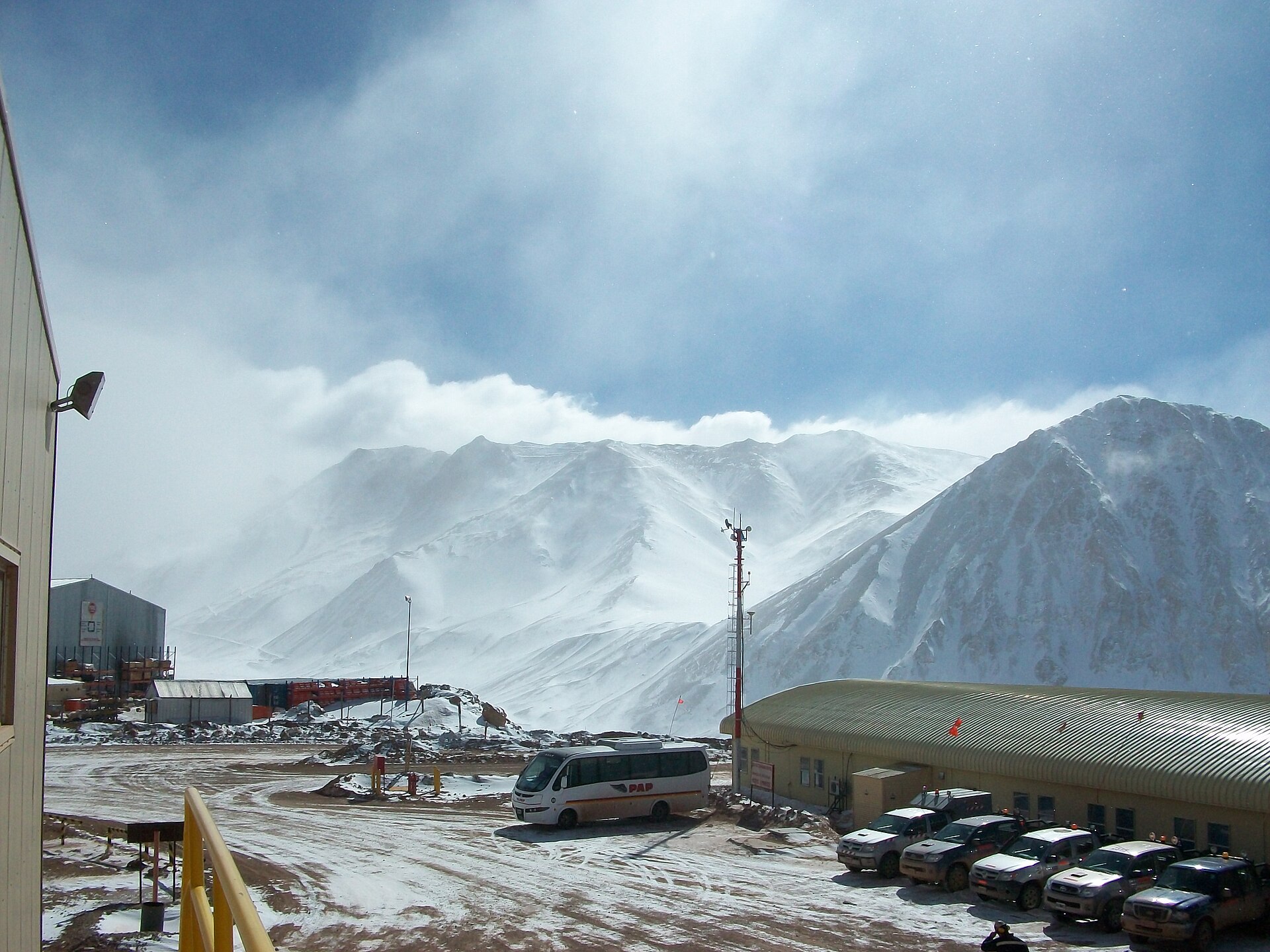
Lithium Is the Exception
Lithium is where the physical growth is. Export value rose 185% and export volume rose 68% year on year.
Production grew 56% in 2025, reaching 116,000 tonnes of lithium carbonate equivalent. Lithium is now Argentina’s second most important mineral by export value.
What makes it notable is the price context. Lithium prices were falling, to around US$8.70 a kilogram, and the export value still rose.
That is the signature of real new capacity rather than a favourable market. Expansions at Olaroz, Fenix and Cauchari-Olaroz account for much of it.
Two gold operations also came on stream. Calcatreu in Río Negro started production and Casposo in San Juan was reactivated.
Non-metallic minerals grew 3.9%, which is effectively flat. The rest of the sector did not move.
Copper Is Not in These Numbers
Copper is frequently listed among the drivers of Argentina’s mining growth. It contributed nothing to the first half.
The country’s large copper projects are in construction or permitting, not production. They sit in San Juan and Catamarca and are years from export volumes.
Copper is the reason for most of the foreign investment interest in Argentine mining. It is not yet a reason for the export figures.
What Record Investment Means
The investment claim accompanying these figures is about a stock, not a flow. Foreign direct investment in Argentine mining stood at US$24.85bn as of March 2026.
That is roughly double the US$12.40bn recorded in March 2024. One account describes it as tripling in under seven years.
Separately, net foreign direct investment inflows in the first quarter were US$2.80bn. That is the highest quarterly figure in the central bank series.
The chamber’s report attributes this to sector maturation and new capital commitments. It does not attribute it to the government’s large investment incentive regime.
No published figure isolates how much of the US$24.85bn sits inside that regime. Any claim linking the two is an inference.
How to Read the Base
One counter-argument deserves testing. A jump from a collapsed base is less impressive than a jump from a healthy one.
The first half of 2025 was itself up about 46% on the first half of 2024, which recorded US$1.85bn. So this is not a rebound from a trough.
It is a genuine multi-year climb, amplified in the most recent period by metal prices. Both halves of that sentence are needed.
The test of whether it is durable is what happens if gold retreats. On present output trends, the export line would fall with it.
More: Argentina news in English, every day from The Rio Times.
Frequently Asked Questions
How much did Argentina mining exports grow?
74.4% in the first half of 2026, to US$4.74bn from US$2.71bn a year earlier, according to the mining secretariat.
Is that a production boom?
Largely not. Total mined production grew 8.4% over the same period. Gold output fell 6% in 2025 and silver fell 7.8%, so most of the export growth came from higher metal prices.
Which mineral actually grew in volume?
Lithium. Export volume rose 68% and production grew 56% in 2025 to 116,000 tonnes of carbonate equivalent, achieved while lithium prices were falling.
Did copper contribute?
No. Argentina’s major copper projects are not yet producing, and copper does not appear as a driver in the first-half figures.
What is the record investment figure?
Foreign direct investment stock in mining of US$24.85bn as of March 2026, roughly double the March 2024 level, plus a record quarterly inflow of US$2.80bn.
Sources: Argentina’s mining secretariat, the central bank, the Argentine Chamber of Mining Entrepreneurs, the Rosario Board of Trade, Infobae, Ambito and Noticias Argentinas.
This article was produced by The Rio Times’ automated newsroom system. How we use AI · Report an error
In depth
Read More from The Rio Times