The Caixa Strike Went On Anyway, After the Bank Suspended the Measures Rather Than the Benefits
BRAZIL · LABOUR
Key Facts
- —Both started The two federal banks were struck from Thursday, 10 September. Caixa’s action is national.
- —The wage round Settled separately on 9 September with the private banks. These disputes are about bank-level agreements.
- —Banco do Brasil Staff approved on 11 September in the vast majority of union bases. Not all of them.
- —Caixa’s move On Sunday it reopened talks and suspended the measures it had signalled it would impose.
- —The dispute The Saude Caixa health plan. Unions want it negotiated on a separate track.
- —The catch The figure of 245 closed branches is one union’s day-one count, not a state total.
A widely repeated line says Caixa suspended benefit measures. It suspended the measures that would have cut them.
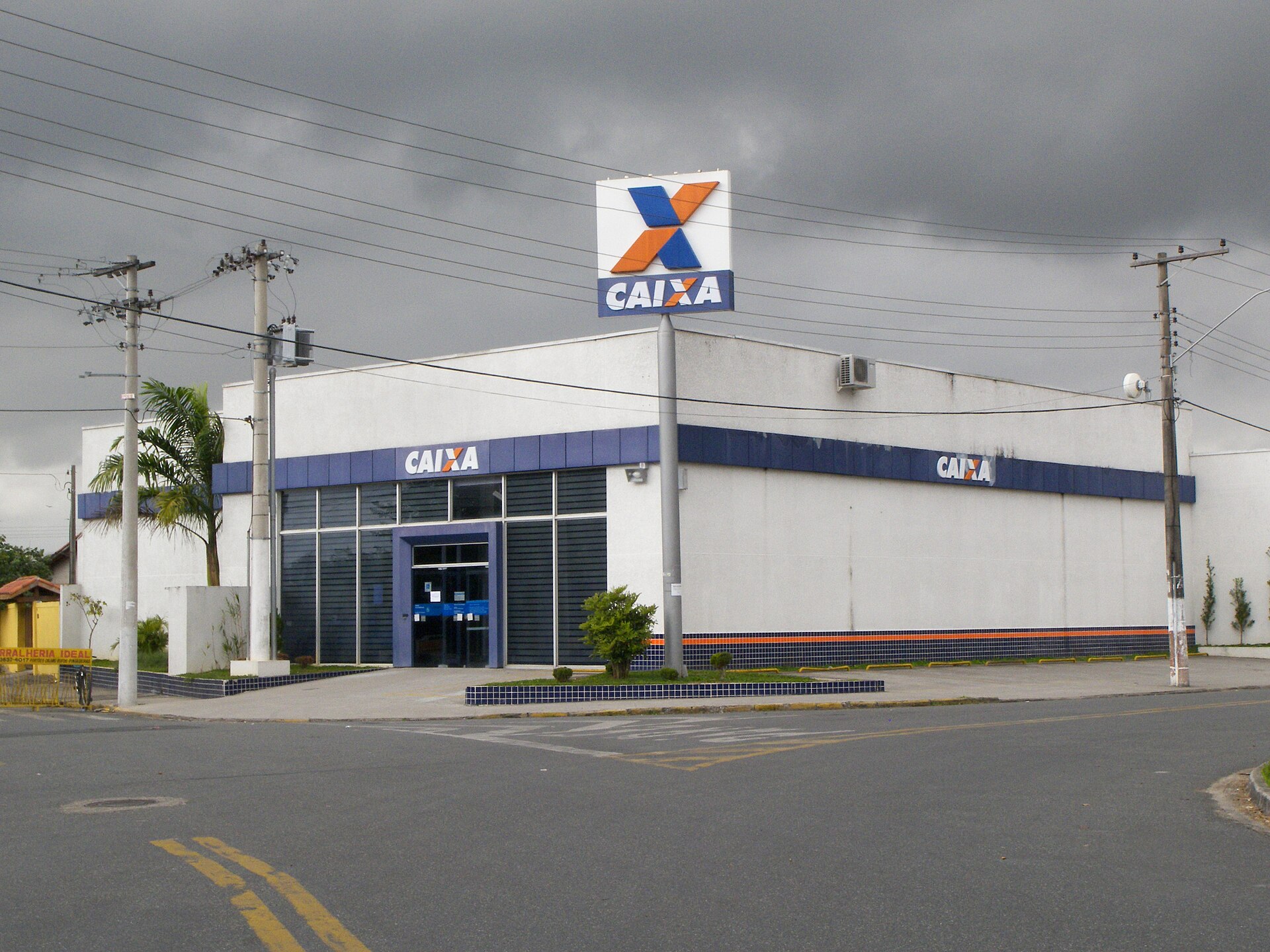
The Caixa strike continued on Monday, 14 September 2026, into its fifth day. The bank had spent Sunday trying to end it.
What it did on Sunday is being described in a way that reverses its meaning. The correction is small and it matters.
Two federal banks were struck at once and only one dispute has ended. The Caixa strike is the one still running.
What Caixa Actually Suspended
When the bank-level agreement lapsed on 31 August, Caixa signalled it would impose administrative measures altering employee rights. On Sunday it said it would not.
It announced it would reopen negotiations and suspend those measures. It committed to maintaining benefits on the conditions that applied before 31 August.
So benefits were preserved, not suspended. A line saying the bank suspended its benefit measures reads as the opposite of what happened.
The commitment was described as exceptional and precarious, holding only while talks continue. No date had been set for the new session when the announcement was made.
The specific measures are not itemised in any union statement. That gap has not been filled.
The Wage Round Was Already Settled
This is not a national pay dispute, and treating it as one gets the story wrong. The sector agreement was signed on 9 September, before either strike began.
It runs from 1 September 2026 to 31 August 2028 and replaces inflation in full. It adds 0.60% in real terms in 2026 and again in 2027.
The increase applies to salaries and to every associated payment, including profit sharing and meal and childcare allowances. Its annual value is put at around 6.9bn reais, about US$1.34bn.
It also creates an indemnification and retraining programme for workers dismissed through branch closures. That clause sits in the sector agreement, not in either bank’s own deal.
The two strikes are about the bank-level agreements at the federal institutions. Those are negotiated separately from the private banks.
Banco do Brasil Settled, Mostly
Assemblies ran from Thursday evening to midday on Friday, 11 September. Union federations reported approval in the vast majority of bases.
They did not say all. Metropoles reported more than a hundred bases approving and around eighteen rejecting.
Espírito Santo voted against on 11 September with 56% opposed, then approved on 13 September with 76% in favour. Paraíba approved on Friday evening and returned to work on Monday.
At least one outlet still reported the Banco do Brasil action continuing in eighteen bases on Monday. Whether every holdout has since voted is not established.
So the return is widespread and staggered rather than complete. Nationwide is the wrong word for it.
What Banco do Brasil Staff Got
The proposal followed eleven rounds of negotiation. It centres on a bonus of 3,000 reais, about US$582, for roughly 71,500 employees.
It is payable in February 2027 and is conditional on targets, which the bank put at 85% likely. Profit sharing is due within 72 hours of signing.
Paternity leave rises from 20 days to 35 for children born 30 days after signing. The bank advances 360m reais, about US$70m, in employer contributions to the staff health fund.
Call centre salaries rise from 4,795 reais to 6,302 reais, about US$937 to US$1,231, from January 2027. The general pay increase comes from the sector agreement, not from a separate bank percentage.
There is no general job guarantee in the deal. The only stability clause covers domestic violence survivors returning to commissioned posts.
The Health Plan Is the Whole Dispute at Caixa
Saude Caixa is the sticking point, and the whole Caixa strike turns on it. The bank proposes raising its own spending ceiling from 6.5% to 8%.
Accounts of the rest differ between outlets. One describes employee contributions of 2.30% to 4.10% of base salary plus per-dependent fees, another describes higher annual co-payment caps.
Because those descriptions do not match, only the ceiling change is stated here as common ground. Unions want the health plan pulled out of the main agreement and negotiated separately.
Caixa’s final offer was presented on 10 September and rejected on 11 September. A 68% rejection figure that has circulated is the São Paulo and Osasco base, not a national tally.
The Branch Count Needs Three Qualifiers
A figure of 245 closed branches is being reported as a São Paulo state total. It is not.
It is 245 of 283 branches, about 87%, in the territory of one union covering São Paulo, Osasco and the surrounding region. It is that union’s own count.
It is also a first-day figure from 10 September. No updated count for Monday exists.
No counter-figure from the bank is available. Reporters who asked both banks how many branches were affected received no reply.
More: Brazil news in English, every day from The Rio Times.
Frequently Asked Questions
Is the Caixa strike still on?
Yes. It continued on Monday, 14 September 2026, its fifth day, despite the bank reopening negotiations on Sunday.
Did Caixa suspend employee benefits?
No, and the phrasing in circulation inverts it. The bank suspended the administrative measures that would have changed employee rights, keeping conditions as they stood before 31 August.
Have Banco do Brasil staff returned to work?
In the vast majority of union bases, after votes on 11 September. Around eighteen bases rejected the deal, and at least one outlet reported the action continuing in those on Monday.
What is the dispute about?
At Caixa it is the Saude Caixa health plan. The bank proposes raising its spending ceiling from 6.5% to 8%, and unions want the plan negotiated on a separate track.
How many branches are closed?
A union covering São Paulo, Osasco and the surrounding region counted 245 of its 283 branches shut on the first day. That is one union’s territory, not the state, and no updated figure exists.
Sources: Agencia Brasil, the São Paulo and Osasco bank workers’ union, Fetec-PR, Fetec-SP, Sindibancarios-ES, Metropoles, ND Mais and Gazeta do Povo.
This article was produced by The Rio Times’ automated newsroom system. How we use AI · Report an error
Read More from The Rio Times