Chiles en Nogada Season Reaches San Miguel de Allende
Mexico · FOOD
Key Facts
- —What happened Chiles en Nogada season has reached San Miguel de Allende, with two kitchens serving the patriotic dish.
- —How big The season runs from July to September, when fresh walnuts and pomegranates peak.
- —The real story The dish’s green, white and red colours echo the Mexican flag, symbolizing independence.
- —The catch The legend of nuns creating it for Iturbide in 1821 lacks documentary support, historians say.
- —On the map Two addresses in San Miguel de Allende, Guanajuato, serve the dish this season.
- —What comes next The season ends in September, tied to Mexico’s independence celebrations on 15-16 September.
The dish’s green, white and red colours echo the Mexican flag, and its short season runs from July to September each year.
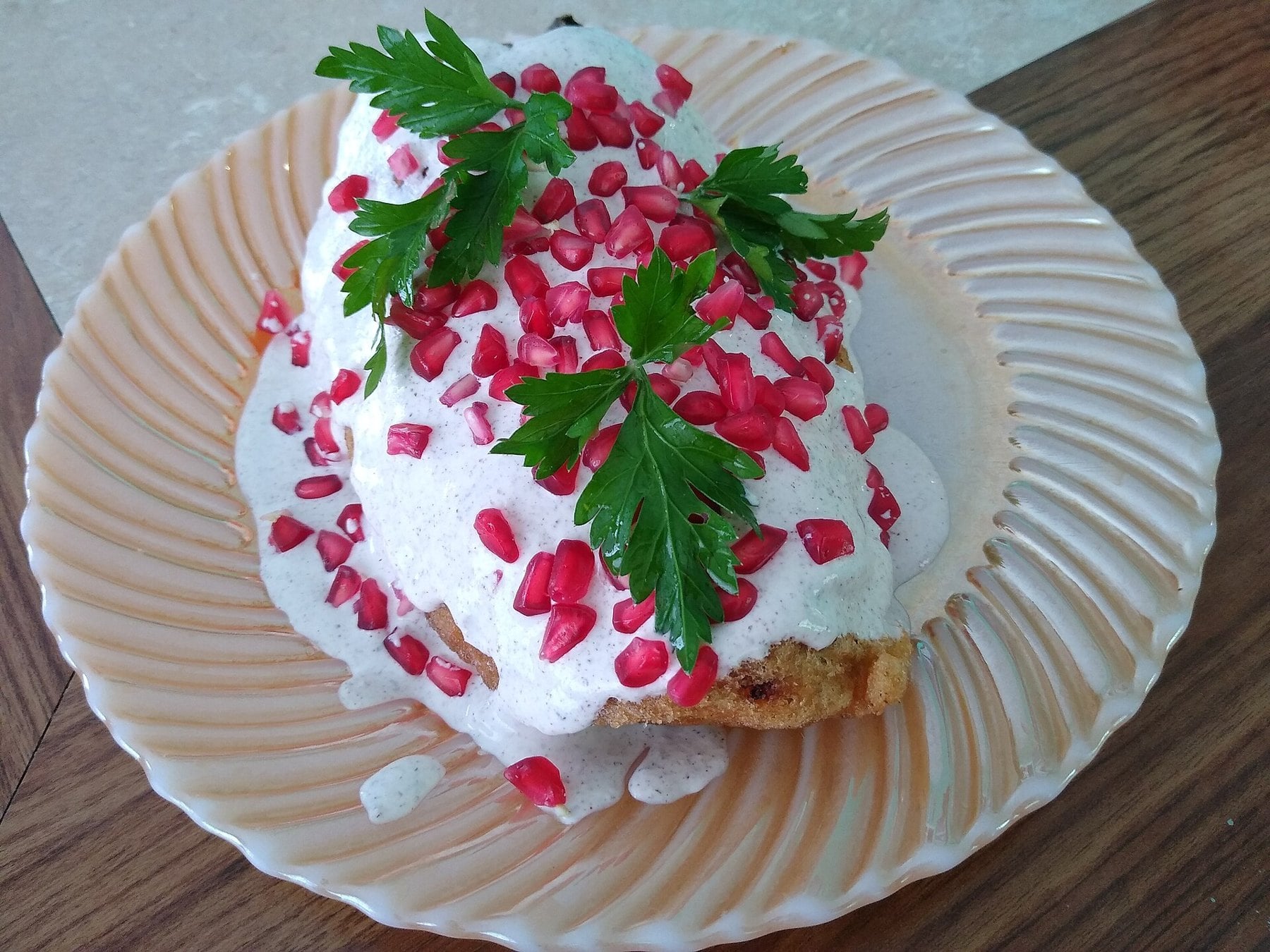
Chiles en Nogada season has reached San Miguel de Allende, bringing the patriotic dish to the colonial town’s tables. The dish, a fire-roasted poblano chilli stuffed with pork and fruit, is a summer treat that runs from July to September.
What Is Chiles en Nogada?
In short, Chiles en Nogada is a Mexican seasonal dish. It is a fire-roasted poblano chilli stuffed with pork and seasonal fruit.
The filling, called picadillo, mixes meat with local apple, pear and peach, plus dried fruit and nuts. The sauce, nogada, is made from fresh green walnuts, milk or cream, and often fresh cheese.
The dish is served per chilli, called por pieza, as one portion. However, the season runs from July to September when ingredients peak.
The dish is a symbol of Mexican independence, tied to September holidays. Therefore, it is a patriotic plate for the national celebrations.
The Dish Wears the Mexican Flag
The plate carries the three colours of the Mexican flag, which is why Mexicans call it patriotic. The poblano chilli represents the green, the walnut sauce the white, and the red pomegranate seeds the red.
Green also comes from parsley leaves laid on top. Therefore, according to Viva México, the colours represent the national flag, a point echoed across Mexican food writing.
The red pomegranate seeds symbolize the flag’s red stripe. Meanwhile, the green chilli and parsley represent the green, and the white sauce the white.
A Flag Older Than the Modern One
In fact, the colours are older than the modern flag. They come from the banner of the Army of the Three Guarantees, raised in 1821.
In that standard, green meant independence, white meant religion, and red meant union between peoples. Postal de México explains that Iturbide chose these colours for his Three Guarantees standard, and they remain in today’s Mexican flag.
The dish, therefore, carries a historical weight beyond its taste. These colours were chosen by Iturbide for his standard in 1821.
As a result, the dish honors that original banner, not just today’s flag.
The Legend of the Nuns and Iturbide
The popular story says Augustinian nuns at the Santa Mónica convent in Puebla created chiles en Nogada for Iturbide to celebrate independence. Still, Telediario calls this version a legend, not established history.
Specialists note that this account has no documentary support and is a romantic construction, according to El Heraldo de México. The famous date of 28 August 1821 does not fit Iturbide’s whereabouts, the same report says.
The story says nuns made it for Iturbide on 28 August 1821. However, that date does not match his presence in Puebla, specialists note.
What Historians Accept Instead
Historians do accept that the dish came from convent kitchens in colonial Puebla, but not the single banquet story. Research from Mexico’s national university, the UNAM, says the recipe existed long before Iturbide’s visit.
It was an existing convent recipe adapted and perfected for the occasion, drawing on historian Guadalupe Pérez San Vicente. Moreover, La Jornada adds the dish emerged from changes the Spanish conquest brought to cooking, although the inventor remains unknown.
The recipe likely existed before Iturbide’s visit, adapted later. Still, the woman who invented it remains unknown, La Jornada reports.
Why the Season Is So Short
The season is agricultural, not marketing. Even so, Chiles en Nogada can only be enjoyed at its best between July and September.
That is when fresh walnuts and pomegranates are at their peak. Chef Ricardo Muñoz Zurita told El Economista that a real chiles en Nogada can only be made properly in those months.
He adds that his restaurants end the season in September when native fruit and fresh walnut run out. Fresh walnuts and pomegranates are only at their best then.
In addition, chef Muñoz Zurita insists on using native fruit and fresh walnut.
Official Dates and Prices Elsewhere
Meanwhile, in Puebla, the home state, the official season starts on 15 July and runs to early September, according to El Economista. A related fair runs from 15 July to the end of September, Milenio reports.
Prices elsewhere in Mexico vary. Overall, in Mexico City, restaurants charge between 490 and 750 pesos per chilli, about US$29 to US$44.
In the State of Mexico, prices range from 250 to 800 pesos, about US$15 to US$47. Meanwhile, a Mexican hotel group set its own window from 19 August to 24 September.
These prices, however, are not San Miguel de Allende figures.
San Miguel de Allende Joins the Season
San Miguel de Allende, a colonial hill town in Guanajuato, adds two addresses to this seasonal campaign, according to Vinetur. One kitchen serves a poblano stuffed with pork shank, seasonal fruit and artisanal candied cactus, plus a vegetarian option.
By contrast, the other serves a version with beef, fresh and dried fruit, home-made walnut sauce, coriander and pomegranate. However, no verifiable list of restaurants with names, addresses, or prices has been published for the town this season.
Two addresses in the town serve the dish this season, Vinetur reports. Still, no local prices or dates have been published for these kitchens.
A Dish for the September Celebrations
Mexican outlets tie the dish to the September independence holidays, calling it the star of the celebrations. Mexico’s independence is marked on the night of 15 September and the day of 16 September.
A Mexican hotel group describes chiles en Nogada as one of the most representative dishes of Mexican cooking. Its own season runs from 19 August to 24 September, a window that fits the national July-to-September period.
The dish is a symbol of Mexican independence, tied to September holidays. Therefore, it is a patriotic plate for the national celebrations.
More: Mexico news in English, every day from The Rio Times.
Frequently Asked Questions
What is chiles en nogada?
Chiles en Nogada is a Mexican dish made of a fire-roasted poblano chilli stuffed with pork and seasonal fruit. Covered in a walnut sauce and decorated with pomegranate.
Why is chiles en nogada considered patriotic?
The dish carries the three colours of the Mexican flag: green from the chilli and parsley. White from the walnut sauce, and red from pomegranate seeds.
When is chiles en nogada season?
The traditional season runs from July through September, when fresh walnuts and pomegranates are at their peak. In Puebla, the official season starts on 15 July and runs to early September.
Can I find chiles en nogada in San Miguel de Allende?
Yes, two addresses in San Miguel de Allende are serving the dish this season, according to Vinetur. However, no detailed list of restaurants with names, addresses, or prices has been published for the town.
Connected Coverage
Sources: Vinetur; Viva México; Milenio; El Economista; El Financiero; Cabe Señalar; El Heraldo de México; Telediario; La Jornada; El Mensajero de Puebla; TV Azteca; Postal de México.
More Latin America news: Argentina | Mexico | Colombia | Chile | Peru | Venezuela | Uruguay | Ecuador | Brazil
This article was produced by The Rio Times’ automated newsroom system. How we use AI · Report an error · Editorial responsibility: Matthias Camenzind, Editor-in-Chief