Ex-Central Bank Chief Puts Chile Recession Odds Near 30%
Economy
Key Facts
—The odds. Former central bank president Vittorio Corbo puts the chance of a technical recession at no more than about 30 percent.
—The trigger. He said avoiding one requires June activity not to fall about 0.5 percent from May in seasonally adjusted terms.
—The backdrop. Monthly activity fell 0.9 percent in the year to May, a fifth straight annual contraction, led by weak mining.
—The forecast. Corbo sees 2026 growth of 1.0 to 1.5 percent and inflation of 3.6 to 3.8 percent by December.
—The rate. He expects the central bank to cut its benchmark to at least 4.25 percent by year-end, from 4.5 percent now.
Chile’s former central bank chief has put a number on the country’s economic anxiety. He places the odds of a technical recession at no more than about 30 percent, while warning that growth is being held back.
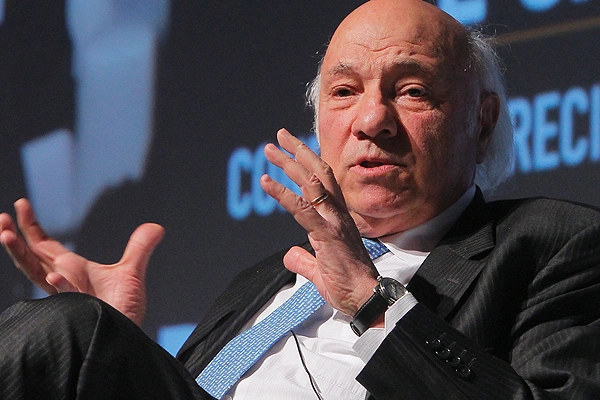
Vittorio Corbo, who led the Central Bank of Chile in the mid-2000s, spoke at a business seminar as fresh data reignited fears about the economy, Diario Financiero reported. He judged a technical recession unlikely, even as he refused to rule it out.
A technical recession is the common shorthand for two consecutive quarters of falling output. For a foreign investor, a respected former policymaker weighing those odds openly is a useful, sober read on where Chile stands.
What would tip Chile into a technical recession
The maths hinges on one upcoming figure. Corbo said the economy would only fall into recession if June activity dropped about half a percent from May, once seasonal effects are stripped out. He sees that outcome as improbable.
His caution follows a run of grim readings. The monthly activity index fell almost one percent in the year to May, its fifth straight annual decline, weighed down by a slump in mining and fishing.
On this he sided with the government. The finance minister has argued that June’s activity data will come in positive, sparing the country a formal recession, a view Corbo broadly shared.
A stalled economy, not just a soft quarter
The recession odds were the headline, but the deeper warning was structural. Corbo said the economy is stuck, with output below where it stood more than a year ago and growth running short of its own potential.
He listed the drags plainly. Weak trend growth, a fragile fiscal position and high unemployment sit alongside investment held back by red tape, a heavy tax burden and shaky business confidence.
Yet he framed the moment as an opportunity as much as a risk. The global energy transition, artificial intelligence and demand for critical minerals all play to Chile’s strengths, he argued, if it can unblock investment.
The unemployment picture underlines the strain. The jobless rate has hovered near nine percent, with formal, salaried positions especially hard to find even as the working-age population keeps growing.
Mining, long the engine of the Chilean economy, has been a particular drag. Output at the state copper producer and across the sector has slipped, weighing on exports and on the wider activity numbers.
Corbo’s fix leans on removing obstacles rather than spending. Lower rates will help a little, he said, but the bigger lift would come from clearing the permitting delays that keep large, job-heavy projects stuck at the construction stage.
His voice carries weight in this debate. As a former central bank president with a long record in Chilean policy, Corbo is one of the figures investors and rating analysts watch closely for an early read on the cycle.
What is a technical recession, exactly?
It is the widely used rule of thumb defining a recession as two straight quarters of shrinking output. The measure can be set against the prior quarter or the same period a year earlier.
It is a mechanical marker rather than a full judgement on an economy’s health. Even so, it carries weight with markets and headlines.
Will the central bank cut interest rates?
Corbo thinks so, and soon. He expects the benchmark to fall to at least four and a quarter percent by year-end.
He argues the bank has room because the economy is running well below its capacity. That view assumes oil-price effects stay contained.
Why does this matter for foreign investors?
Chile is a core investment destination in the region. Its growth and rate outlook shape returns on everything from equities to the peso.
A candid warning about stalled growth comes paired with the prospect of rate cuts. That tells investors to weigh weak activity against cheaper money in the months ahead.
More: Chile news in English, every day from The Rio Times.
Frequently Asked Questions
What are the odds of Chile falling into a technical recession?
Former central bank president Vittorio Corbo puts the chance of a technical recession at no more than about 30 percent. He refused to rule it out entirely, but judged it unlikely.
What economic conditions would trigger a technical recession in Chile?
According to Corbo, a technical recession would only occur if June activity fell about 0.5 percent from May in seasonally adjusted terms. This matters because a technical recession is defined as two consecutive quarters of falling output.
What are Corbo's forecasts for Chile's growth, inflation, and interest rates in 2026?
Corbo sees 2026 growth of 1.0 to 1.5 percent and inflation of 3.6 to 3.8 percent by December. He also expects the central bank to cut its benchmark interest rate to at least 4.25 percent by year-end, down from its current 4.5 percent.
Connected Coverage
Chile’s Economy Contracts for Third Month as Mining Slumps in Q1
Chile Growth Forecast Cut Again as Copper and Fuel Squeeze Bite
Chile Economy 2026: Copper Supercycle, Lithium Strategy and IPSA Outlook
This article was produced by The Rio Times’ automated newsroom system. How we use AI · Report an error · Editorial responsibility: Matthias Camenzind, Editor-in-Chief