Chevron in Venezuela: New Oil Deals Signed in Caracas
Venezuela · ENERGY
Key Facts
- —What happened Chevron signed agreements in Caracas on 2 September 2026 to invest more than US$7 billion in Venezuela.
- —How big The money is spread over five years, in a country now pumping about 1.25 million barrels a day.
- —The catch The separate 17-field concession for 1.5 million barrels a day went to North American Blue Energy Partners.
- —Who says what The White House calls that concession a 100-year grant, while Venezuela describes a 25-year bilateral project.
- —What Venezuela earns Caracas says it gets US$19 a barrel, or about US$209 billion over the whole life of the arrangement.
- —Who holds the cash Proceeds from US-licensed crude sales sit in a Washington-controlled account held for state oil company PDVSA.
Venezuela pumps about 1.25 million barrels a day. The much larger 17-field concession went to another company, not to Chevron.
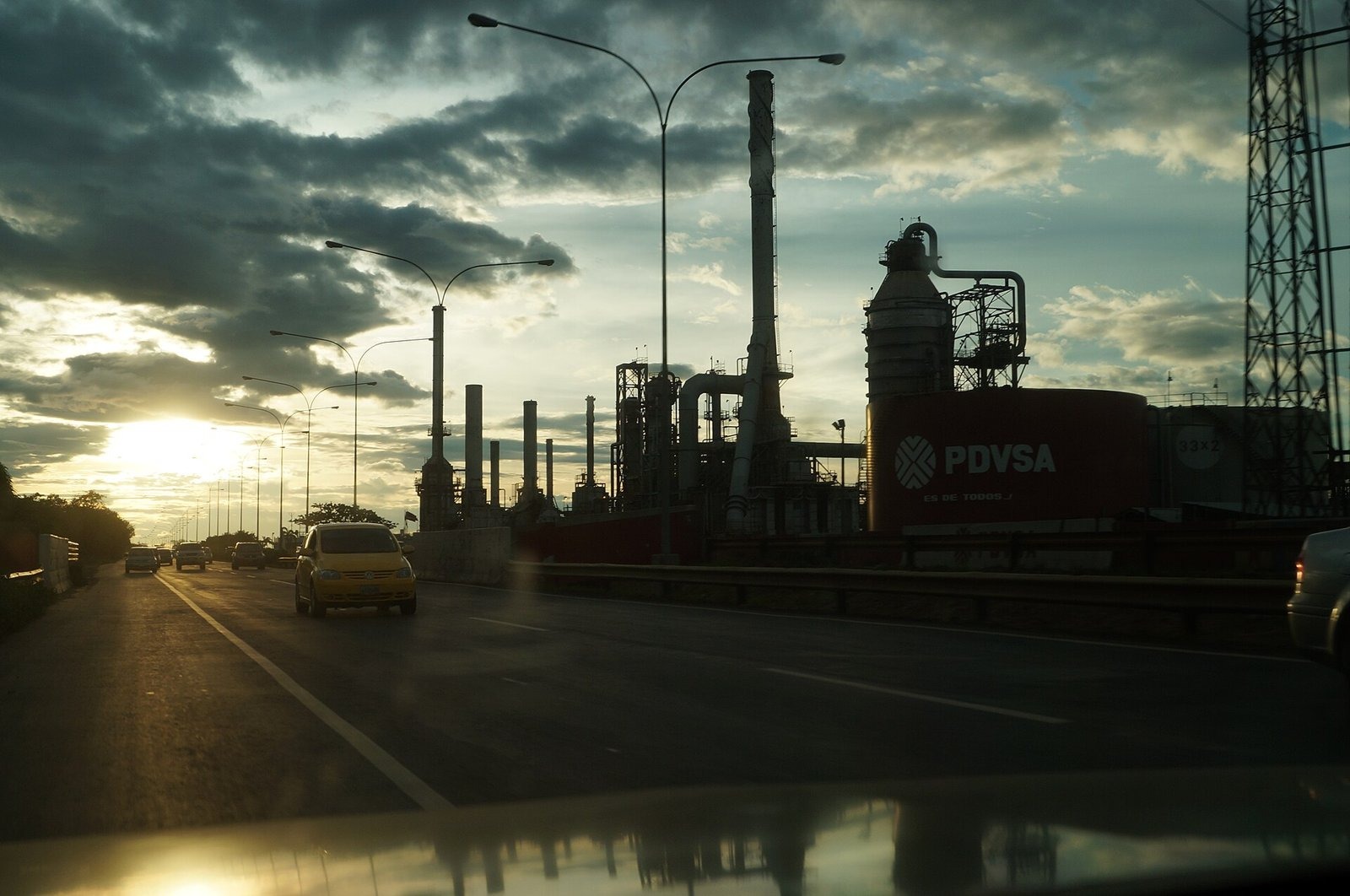
Chevron in Venezuela has entered a new phase. The company signed fresh agreements in Caracas on Wednesday 2 September 2026.
Chevron plans to invest more than US$7 billion over the next five years. Reuters, the Washington Post and Chevron’s own statement all carried the signing.
What Chevron Actually Signed
Chevron confirmed the Caracas signing itself. Reuters and the Washington Post reported it the same day.
The company plans to spend more than US$7 billion in Venezuela over five years. That is one of the largest foreign commitments to the country in years.
Chevron already runs joint ventures with the state oil company. Those ventures are the base for the new spending.
The 17-Field Concession Is Not Chevron’s
A second and much larger concession has been widely confused with the Chevron deal. They are two separate things.
That concession covers 17 fields and targets 1.5 million barrels a day. It was granted to North American Blue Energy Partners, not to Chevron.
The White House described it on 31 August 2026 as a 100-year concession. Venezuela’s government described a 25-year bilateral project.
The two descriptions do not match. No published contract text settles the difference.
What Venezuela’s Government Says
Delcy Rodriguez is Venezuela’s interim president. She set out the government’s version in a late-night address on state broadcaster VTV.
The address ran on Saturday 29 August 2026. VTV is Venezolana de Television, the main state channel.
She gave a formula of US$19 a barrel for Venezuela. She said the arrangement could generate about US$209 billion for Venezuela over the life of the deal.
That projection is based on a US$65 benchmark oil price. It is a headline total for the whole term, not an annual figure.
What the Money Looks Like Year by Year
The White House fact sheet of 31 August 2026 projects US$200 billion in royalties and taxes. That figure covers the first 25 years.
At US$19 a barrel and 1.5 million barrels a day, the flow would be roughly US$10 billion a year. That is the arithmetic behind the headline totals.
Both totals assume the target output is reached and then held. Neither is money that has arrived.
How Much Oil Venezuela Pumps Today
That target compares with current national output of about 1.25 million barrels a day. The figure is for August 2026.
Venezuela pumped more than three million barrels a day at its peak decades ago. Years of low investment and sanctions cut the total sharply.
Other Foreign Companies Moving In
Chevron is not the only foreign name returning. Eni signed an agreement on Junin-5 with the Hydrocarbons Ministry and PDVSA in April 2026.
Eni signed further agreements in Caracas on 2 September 2026. Junin-5 is a heavy oil block in the Orinoco belt.
PDVSA is Petroleos de Venezuela, the state oil company. The Hydrocarbons Ministry is the government department that awards oil rights.
What Is Not Confirmed
Bloomberg has reported that GeoPark is in talks over the Bare heavy oilfield. GeoPark is a Latin American oil producer listed in New York.
GeoPark has declined to comment. No company filing or US licence confirms the talks.
Readers should treat that item as reporting rather than settled fact. The Bare field also sits in the Orinoco belt.
US Sanctions Relief and Licences
United States sanctions relief in 2026 has focused on oil and on payment channels. Licensing changes in August 2026 adjusted the conditions on contracts with PDVSA.
The same changes touched the state mining company CVG Minerven. A licence is written US permission to do business that sanctions would otherwise block.
Where the Money Goes
Payments for Venezuelan crude sold under US licences go into a special account. Washington controls that account, held in PDVSA’s name.
Third-party auditors hired by the US Energy Department oversee the funds. Earlier in 2026 the proceeds were routed through an account in Qatar.
Venezuela does not receive the sale proceeds directly. The arrangement is a condition of the US licences.
Why Orinoco Crude Is Hard to Sell
The Orinoco belt holds extra-heavy crude. It needs upgrading or blending before a refinery can use it.
That makes production expensive and technically demanding. It also means new barrels take years to arrive.
Chevron is betting on Venezuela‘s reserves despite past political and economic turmoil. Success depends on stable rules and on repairs to ageing plant.
What Comes Next
Watch for a published contract that settles the 100-year and 25-year descriptions. Neither government has released one.
Watch also for monthly output data from Venezuela and from OPEC. OPEC is the Organization of the Petroleum Exporting Countries.
Production numbers will show whether the money is turning into barrels. That is the test the projections have to pass.
Frequently Asked Questions
What did Chevron sign in Caracas?
Chevron signed agreements in Caracas on 2 September 2026. The company plans to invest more than US$7 billion in Venezuela over five years.
Who received the 17-field concession?
The 17-field concession went to North American Blue Energy Partners, not to Chevron. The White House described it on 31 August 2026 as a 100-year concession.
How much will Venezuela earn from the arrangement?
Venezuela’s interim president said it could generate about US$209 billion over the life of the deal. That projection assumes a US$65 benchmark oil price.
What is the payment mechanism for Venezuelan crude sales?
Payments for crude sold under US licences go into a special account controlled by Washington in PDVSA’s name. Third-party auditors hired by the US Energy Department oversee these funds.
Are other companies also moving into Venezuela?
Eni signed further agreements in Caracas on 2 September 2026, after an April agreement on the Junin-5 field. Bloomberg has reported that GeoPark is in talks over the Bare heavy oilfield.
Connected Coverage
Sources: Reuters; The Washington Post; Chevron; White House fact sheet of 31 August 2026; Bloomberg; US Treasury.
This article was produced by The Rio Times’ automated newsroom system. How we use AI · Report an error
Read More from The Rio Times