Bolivia · ENERGY
Key Facts
- —What happened Bolivia’s government took direct control of state oil company YPFB on 5 August 2026 to restructure it.
- —Why it happened Hydrocarbons Minister Marcelo Blanco blamed corruption inside and outside YPFB for Bolivia’s long fuel queues.
- —What changed at the pump Large diesel buyers now pay 18 bolivianos a litre, about US$1.50, after their subsidy was withdrawn.
- —Who still pays less Transport operators and small private users keep the price of 9.80 bolivianos, about US$0.80 a litre.
- —The catch The queues did not end, and on 2 September the government raised the subsidised diesel quota for small producers.
- —What comes next A private refinery may import and process up to 18,867 barrels a month under an August contract.
Fuel shortages and long queues, and a state oil company now run directly by the government.
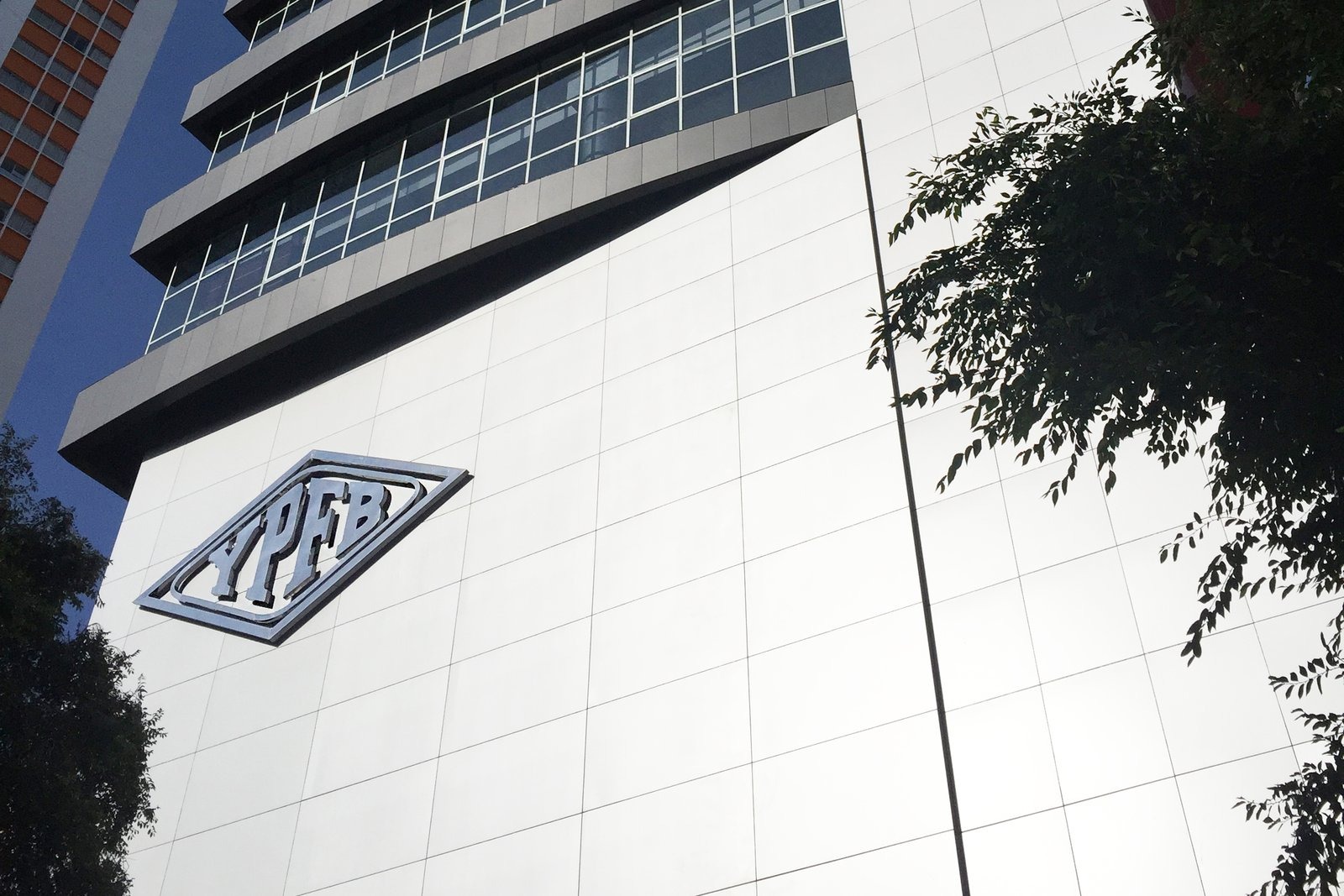
Bolivia’s government took direct control of the state oil company YPFB on 5 August 2026. Fuel queues had been growing longer across the country.
What YPFB Is and What an Intervention Means
YPFB stands for Yacimientos Petroliferos Fiscales Bolivianos. It is the state oil and gas company.
An intervention means the state takes direct administrative control of a company it already owns. It is a stronger step than simply replacing the management.
Why the Government Stepped In
The government intervened in YPFB on 5 August 2026 to restructure it. Hydrocarbons Minister Marcelo Blanco later described the company as intervened and under restructuring.
Mr Blanco blamed the fuel shortage on corruption inside and outside YPFB. He linked that corruption directly to the intervention.
How Bolivia’s Fuel Crisis Began
Bolivia has had a fuel crisis since 2024. Diesel and petrol have both run short.
Long queues at filling stations and transport protests have become common. Drivers sometimes wait most of a day for a tank.
Several causes overlap. Fuel subsidies, smuggling across borders and falling gas output have all played a part.
Bolivia also lacks the foreign currency to pay for imports. That shortage is the immediate bottleneck.
The Anti-Corruption Drive
The government says it is pursuing what it calls integral action against corruption. It covers YPFB and the hydrocarbons regulator ANH.
ANH is the Agencia Nacional de Hidrocarburos, the body that licenses fuel sales. The drive includes an internal investigation across operational areas.
A complaints platform lets workers and the public report problems. No findings from that investigation have been published.
A Contract With a Private Refinery
The government signed a contract with Recicladora Agroindustrial Estrella Rural del Este (Alere) SRL. The agreement is dated 15 August 2026.
Alere is a private refinery at Cuatro Canadas in Santa Cruz department. It will import crude and process diesel and petrol.
The authorised volume is 18,867 barrels a month. That is a modest addition to national supply.
Diesel Subsidy Changes
The executive withdrew the diesel subsidy for large consumers. It set an initial reference price of 18 bolivianos a litre.
That is about US$1.50 at the market rate of roughly 12.2 bolivianos to the dollar in early September 2026. The change came by Supreme Decree 5676, promulgated on 17 August 2026.
YPFB notices published on its website and updated to 31 August 2026 record the authorisation. They allow diesel sales at that reference price to direct clients and large consumers.
The stated aim is to cut what fuel imports cost the treasury. Imported diesel had been sold well below what the state paid for it.
Who Still Pays the Old Price
The new price does not apply to transport operators. It also excludes private users buying less than 5,000 litres a month.
Those buyers continue to pay 9.80 bolivianos a litre. That is about US$0.80 at the same early-September rate.
How This Article Converts Bolivianos
All boliviano figures here use a market rate of about 12.2 bolivianos to the US dollar. The quotes come from Bolivia’s parallel market in early September 2026.
Bolivia’s official rate of 6.96 bolivianos is no longer operative for most buyers. Using it would overstate the dollar value of every price.
The Strike That Was Called Off
In late August 2026 the government reached an agreement with the liquid fuel transport sector. That suspended a national strike called for 24 August.
Working groups were set up to address the sector’s concerns. The talks bought time rather than settling the dispute.
Protests Have Not Stopped
The agreement did not end the pressure on the government. Protests over fuel supply continued into September.
On 2 September 2026 the government raised the subsidised diesel quota for small producers. That followed continued protests by farmers.
What to Watch Next
Watch whether the queues shorten once Alere’s barrels reach the market. The contracted volume is small against national demand.
Watch also for the results of the YPFB investigation. Nothing has been published so far.
The exchange rate is the third thing to follow. A weaker boliviano makes every imported litre dearer.
Frequently Asked Questions
What does YPFB stand for?
YPFB stands for Yacimientos Petroliferos Fiscales Bolivianos, the state oil and gas company of Bolivia. It is central to the country’s energy sector.
When did the intervention in YPFB happen?
The government intervened in YPFB on 5 August 2026. Hydrocarbons Minister Marcelo Blanco described the company as intervened and under restructuring.
Why did the government intervene in YPFB?
The government intervened to restructure YPFB, citing corruption inside and outside the company. Minister Blanco linked that corruption to the fuel shortages.
What changed for diesel prices?
Large consumers now pay a reference price of 18 bolivianos a litre, about US$1.50 at the September 2026 market rate. Supreme Decree 5676 of 17 August 2026 withdrew their subsidy.
Who still pays the subsidised diesel price?
Transport operators and private users buying less than 5,000 litres a month still pay 9.80 bolivianos a litre. That is about US$0.80 at the same rate.
Connected Coverage
Sources: YPFB; Ministerio de Hidrocarburos y Energias; Supreme Decree 5676 of 17 August 2026; Bolivian press; parallel-market currency quotes of early September 2026.
This article was produced by The Rio Times’ automated newsroom system. How we use AI · Report an error
Read More from The Rio Times