US Commanders Warned the Pentagon Over Iran, The Washington Post Reports
Defence · ANALYSIS
Key Facts
- —What happened The Washington Post reported on 30 August 2026 that US commanders warned against a long campaign on Iran.
- —Where it is written The advice sits in the Secretary of Defense Orders Book, a classified Pentagon file dated 14 August 2026.
- —Who objected Commanders for Europe, the Indo-Pacific and Latin America filed formal objections, along with the US Navy’s top officer.
- —The catch The Post relied on unnamed sources, and the Pentagon says much of the published material is inaccurate.
- —Why Latin America cares Southern Command, the US military headquarters for Latin America and the Caribbean, is among the objecting commands.
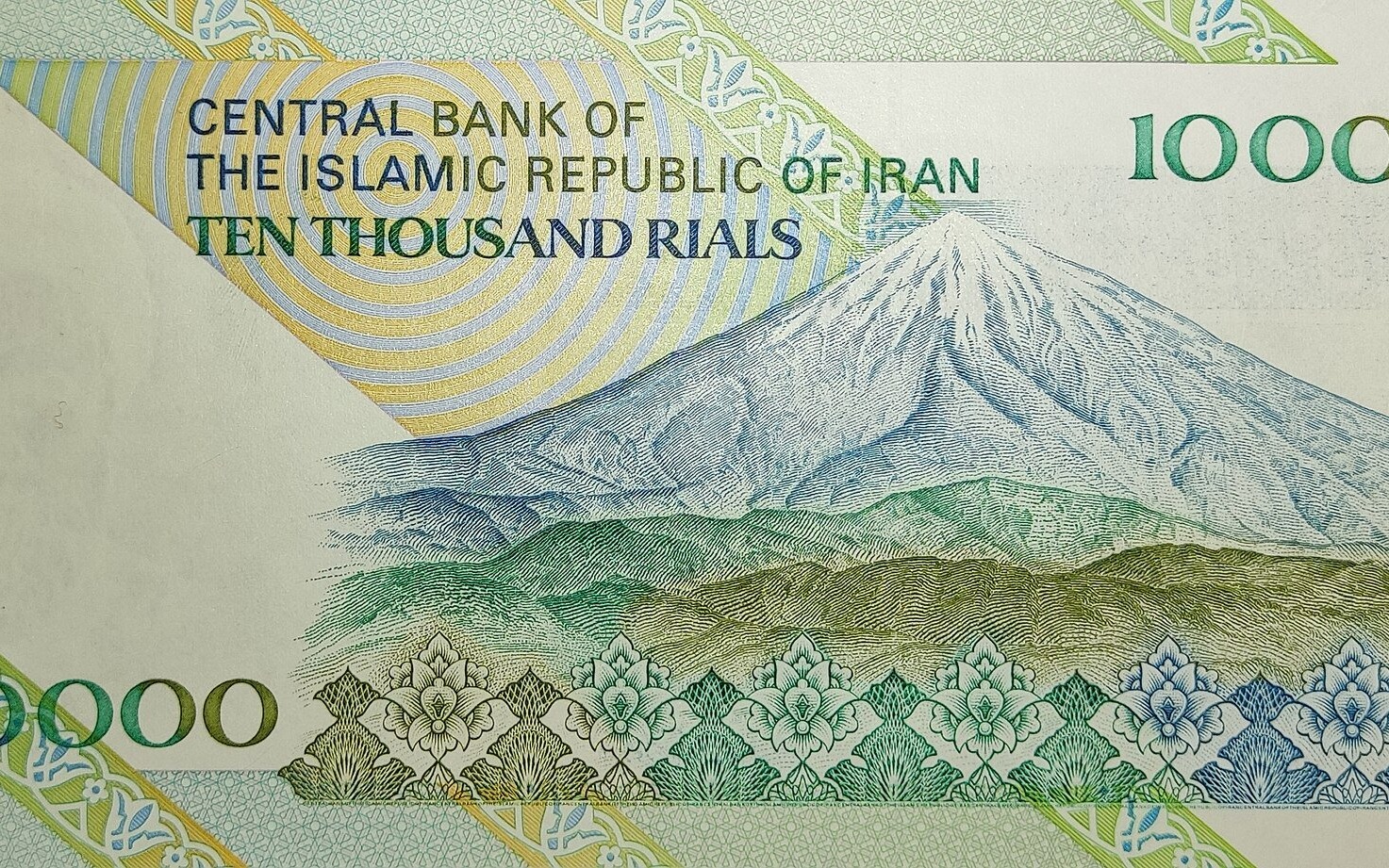
- —What it costs Iran Iran’s rial fell past 2.2 million to the US dollar on 2 September 2026, free-market trackers say.
The report rests on unnamed sources, and the Pentagon disputes it. Iran’s currency has meanwhile fallen to a record low.
The Washington Post has reported that US commanders warned Defense Secretary Pete Hegseth about the campaign against Iran. They told him that keeping large-scale operations going is unsustainable, the paper said.
What The Washington Post Reported
The Washington Post published its account on 30 August 2026. It cited people familiar with a classified assessment.
The Post reported that senior US commanders advised Defense Secretary Pete Hegseth that extending large-scale operations against Iran is unsustainable. That is the paper’s characterisation of a document it has not published.
The Post reported the commanders said prolonging operations risks weakening the ability to confront threats elsewhere. They also warned that it could undermine defense of the American homeland.
Where the Advice Was Written Down
The advice appears in a classified planning file prepared for the Pentagon chief. It is called the Secretary of Defense Orders Book.
That edition carries a report date of 14 August 2026. The orders book gathers requests, plans and recommendations that reach the defense secretary.
How Solid Is the Sourcing
The Post’s account rests on anonymous sources. NOTUS is a Washington news outlet.
NOTUS independently confirmed the 14 August orders book and the non-concurrences. That is a second newsroom seeing the same material.
Neither outlet has published the document itself. Readers therefore have journalists’ descriptions of a file that remains secret.
What the Pentagon Says
Pentagon spokesman Sean Parnell said publishing the orders book was ‘a crime’ and ‘a betrayal of the force.’ He also said ‘much of what they’re publishing is inaccurate.’
Mr Parnell did not specify which details he disputes. That leaves an unusual gap for readers to judge.
The department challenges the reporting in broad terms. It has not yet named a single error in it.
What a Non-Concurrence Means
A non-concurrence is the formal way a commander registers disagreement with a decision. The officer still follows the order.
The objection is written into the record rather than announced in public. That is why the reported details remain thin.
Which Commands Objected
Four senior leaders filed non-concurrences, according to the reporting. They were the commands for Europe, the Indo-Pacific and Latin America.
The Chief of Naval Operations also objected. That officer is the most senior uniformed leader of the US Navy.
A combatant command is a regional military headquarters with its own forces and budget. Each one covers a fixed part of the world.
Why Southern Command Matters in Latin America
US Southern Command is known as SOUTHCOM. It covers Latin America and the Caribbean.
Its ships, aircraft and analysts support work with governments across the region. When a war elsewhere pulls those assets away, Latin American officials notice.
Counter-narcotics patrols and disaster relief flights are the visible part of that work. Both rely on hardware that other regions also want.
The White House Position
Axios reported that President Donald Trump wants to keep his options open on Iran. That includes the ability to strike again.
A White House statement on 31 August 2026 made the same point. It did not address the commanders’ reported advice.
Commanders are described as warning about how long the effort can last. The White House describes freedom to act whenever it chooses.
Iran’s Currency Hits a Record Low
Iran’s currency fell to a record low against the US dollar this week. The rate weakened to more than 2.2 million rials to the dollar, according to two free-market trackers.
Rates in this article are free-market quotes for the rial, collected by currency trackers on Wednesday 2 September 2026. Reuters-syndicated reporting carried the same record low.
Iran’s government also publishes an official exchange rate. That official rate is far stronger than the rate ordinary Iranians pay.
A weaker rial makes imported food, medicine and machinery dearer inside Iran. It is the clearest public sign of economic strain.
Why the Story Matters Beyond Washington
The reporting describes a disagreement inside the US military. It does not describe a change of policy.
No order has been cancelled in public. Allies in Europe, Asia and Latin America still read the account closely.
It suggests that American attention and equipment are stretched thin. That matters most to countries that depend on both.
What to Watch Next
Congress may ask the Pentagon to explain the objections behind closed doors. The department has not said whether it will.
The Pentagon has not identified any specific error in the published accounts. Until it does, the dispute stays a question of trust.
Iran’s exchange rate is the other thing to watch. It moves daily and needs no classified access to check.
Frequently Asked Questions
What did The Washington Post report?
The Post reported on 30 August 2026 that senior US commanders warned Defense Secretary Pete Hegseth about the Iran campaign. They advised him that extending large-scale operations is unsustainable, the paper said.
What is a non-concurrence?
A non-concurrence is the formal way a commander registers disagreement while still following the order. It is recorded internally rather than announced in public.
Which commanders objected?
European Command, Indo-Pacific Command and Southern Command filed non-concurrences. The Chief of Naval Operations did the same.
How has the Pentagon responded?
Pentagon spokesman Sean Parnell said publishing the orders book was ‘a crime’ and ‘a betrayal of the force.’ He said much of the published material is inaccurate, without specifying which details.
How has Iran’s currency moved?
Iran’s rial weakened to more than 2.2 million to the US dollar in early September 2026, according to two free-market trackers. That is a record low.
Connected Coverage
Sources: The Washington Post; NOTUS; Axios; Reuters; US Department of Defense.
This article was produced by The Rio Times’ automated newsroom system. How we use AI · Report an error
Read More from The Rio Times