The Zócalo Empties: Mexico City’s Teacher Strike Ends After 19 Days
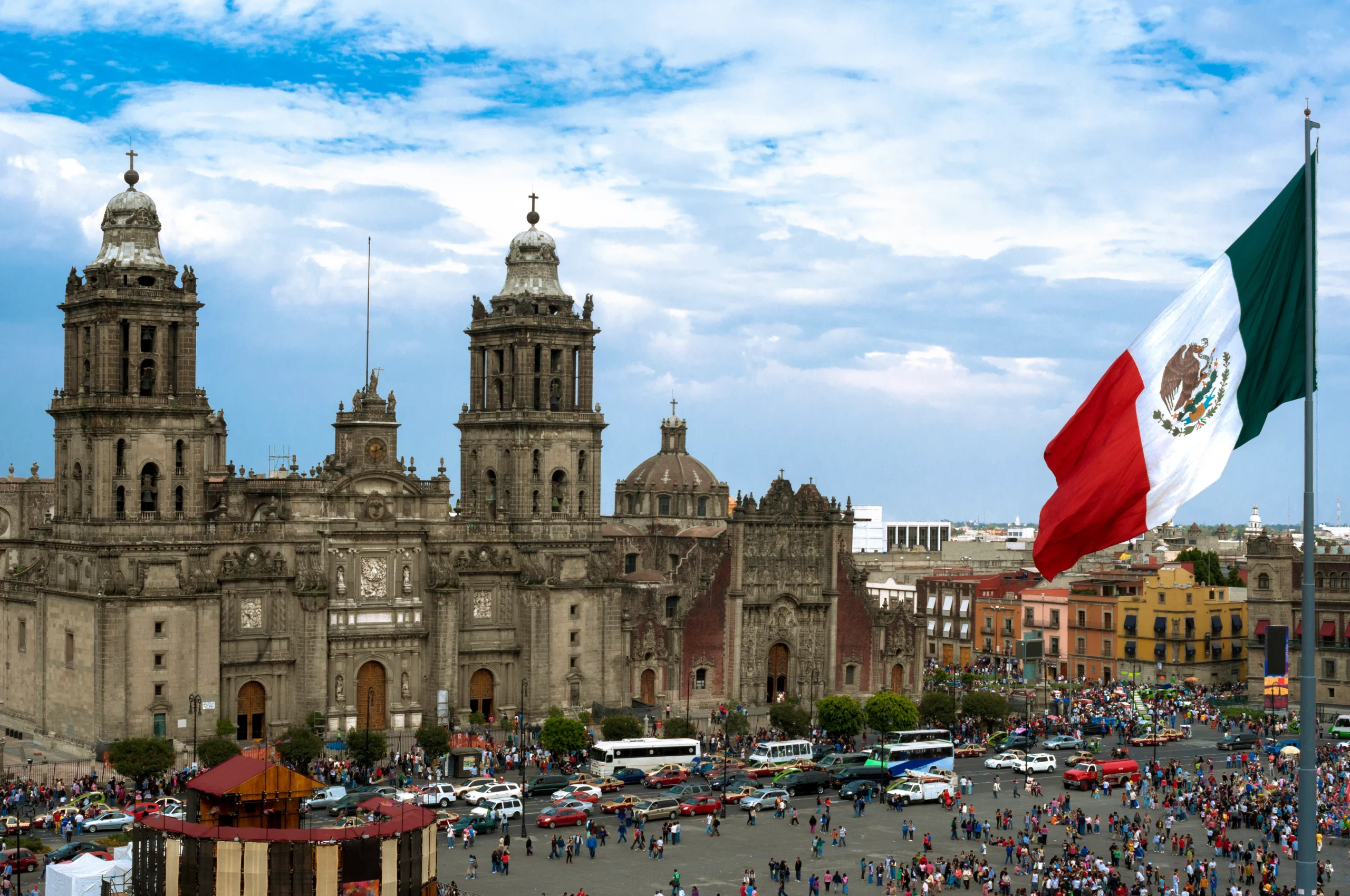
Mexico City’s teacher strike, which shadowed the World Cup’s opening and snarled the capital for nearly three weeks, has ended. On Friday night the CNTE reported favourable accords and voted to clear the Zócalo, and the tents began coming down at once.
Key Facts
- The strike is over. After 19 days, the CNTE teachers’ union voted to lift its camps in Mexico City and Oaxaca.
- The Zócalo clears. Tents and tarps came down at the Centro Histórico camp on Friday night.
- What they won. Bonuses, the rehiring of removed teachers, a hiring fund and a written no-reprisals pledge.
- What they didn’t. The core demand — repeal of the 2007 ISSSTE pension law — was not granted.
- A pause, not a close. Leaders framed it as an organizational recess, vowing to stay on alert.
The strike ends
After a roughly six-hour negotiation with the education ministry, the union’s single negotiating commission reported favourable accords on its core list of demands. The Oaxaca section then voted to lift the encampments in both Mexico City and Oaxaca.
Tents and tarps at the Centro Histórico camp started coming down immediately. The base vote was decisive, with roughly 12,800 in favour of ending against about 3,600 to continue.
What the teachers won
The union secured several concrete gains from the government. These included a 90-day Christmas bonus, the rehiring of teachers who had been removed, and a special education-ministry fund to fill thousands of vacancies.
It also won a homologation of benefits and, importantly, a written guarantee of no reprisals and no pay deductions for those who struck. For a movement worried about retaliation, that pledge mattered.
What they did not win
The central demand went unmet. The government refused to open a path to repealing the 2007 ISSSTE pension reform or to restore the older retirement system.
That gap is why a deal to clear the square is not the same as a full settlement. Many in the base called the government’s answers minimal, and a smaller share called them null.
A pause, not a closure
Union leaders were careful with their language, describing the move as a pause or an organizational recess rather than a surrender. They vowed to remain on what they called latent alert.
In other words, the encampment is gone, but the dispute over pensions is not resolved. The movement could return if its demands stall.
What reopens in the centre
For residents and visitors, the practical effect is immediate relief in the heart of the city. The Centro Histórico, the Zócalo and the Paseo de la Reforma corridor should now normalise after weeks of marches and blockades.
The residential expat districts of Roma, Condesa and Polanco were unaffected throughout. The change is downtown, where the camp and the protest filters had sat.
The World Cup timing
The timing is fortunate for the capital. Mexico won Group A and, as group winner, will host one of the Round-of-32 matches in Mexico City.
A cleared centre makes those big match days far smoother than the protest-ringed scenes of the opening week. It removes a major source of friction just as the crowds return.
More: Mexico news in English, every day from The Rio Times.
Frequently Asked Questions
Is the Mexico City teachers’ strike really over?
The union voted to lift its camps after 19 days and the Zócalo has cleared. Leaders call it a pause rather than a final closure, since the pension demand was not met.
What did the teachers achieve?
Bonuses, the rehiring of removed teachers, a hiring fund for thousands of vacancies, benefit homologation and a written no-reprisals, no-pay-docking guarantee.
Did they get the pension reform repealed?
No. The government refused to open a path to repealing the 2007 ISSSTE law, which was the strike’s central demand.
Will the centre of Mexico City reopen?
Yes. The Centro Histórico, the Zócalo and the Reforma corridor should normalise now that the encampment has come down.
Could the strike come back?
Possibly. Leaders framed the move as a recess and stayed on alert, so the dispute could reignite if the pension issue is not addressed.
This article was produced by The Rio Times’ automated newsroom system. How we use AI · Report an error · Editorial responsibility: Matthias Camenzind, Editor-in-Chief
The Mexico City Guide
What The Rio Times publishes for foreigners in Mexico City, Mexico.
This month
Coming up in Mexico City
- Martin Garrix in Mexico City: Two Nights at the Palacio de los Deportes on October 16–17 16 Oct
- Def Leppard Plays Mexico City, Mexico on 19 October 19 Oct
- DocsMX Documentary Festival Opens in Mexico City 22 Oct 22 Oct
- Bad Gyal Mexico 2026: Mexico City on 22 October, Monterrey on 23 October 22 Oct
Living in Mexico City
- Medellín vs Mexico City for Expats in 2026: The Visa Gap Decides It
- Mexico City Residence Cards Now Take 4 to 6 Weeks: What Expats Should Know About INM Delays
- Mexico City Rents Push Expat Budgets Past 2800 Dollars as Roma Condesa Pressure Mounts
- Best Mexico City Neighborhoods for Expats
Understand Mexico