Plan RELANCE Funding: Burkina Faso Turns to Banks and Microlenders
Burkina Faso · FINANCE
Key Facts
- —What happened Finance Minister Aboubakar Nacanabo met commercial bank and microfinance chiefs in Ouagadougou on Tuesday 22 September 2026 to discuss funding Plan RELANCE.
- —How big The 2026-2030 national development plan carries a five-year cost of 36,190.7 billion CFA francs (about US$63.2 billion).
- —Who pays The government expects to cover about two thirds from its own resources, with partners abroad and private finance covering the rest.
- —The banks’ number Bank association chief Djakaridjia Ouattara put the related financing need at about 10,000 billion CFA francs (about US$17.5 billion).
- —The targets Broad banking penetration is to reach 47.4 percent by 2030, up from 37.9 percent in 2024.
- —The catch Private-sector credit shrank 4.1 percent in 2025 after a 2.2 percent fall in 2024, the International Monetary Fund says.
Burkina Faso’s finance minister asked the country’s banks and microlenders on Tuesday 22 September 2026 to help fund Plan RELANCE. The five-year development plan carries a cost of 36,190.7 billion CFA francs (about US$63.2 billion).
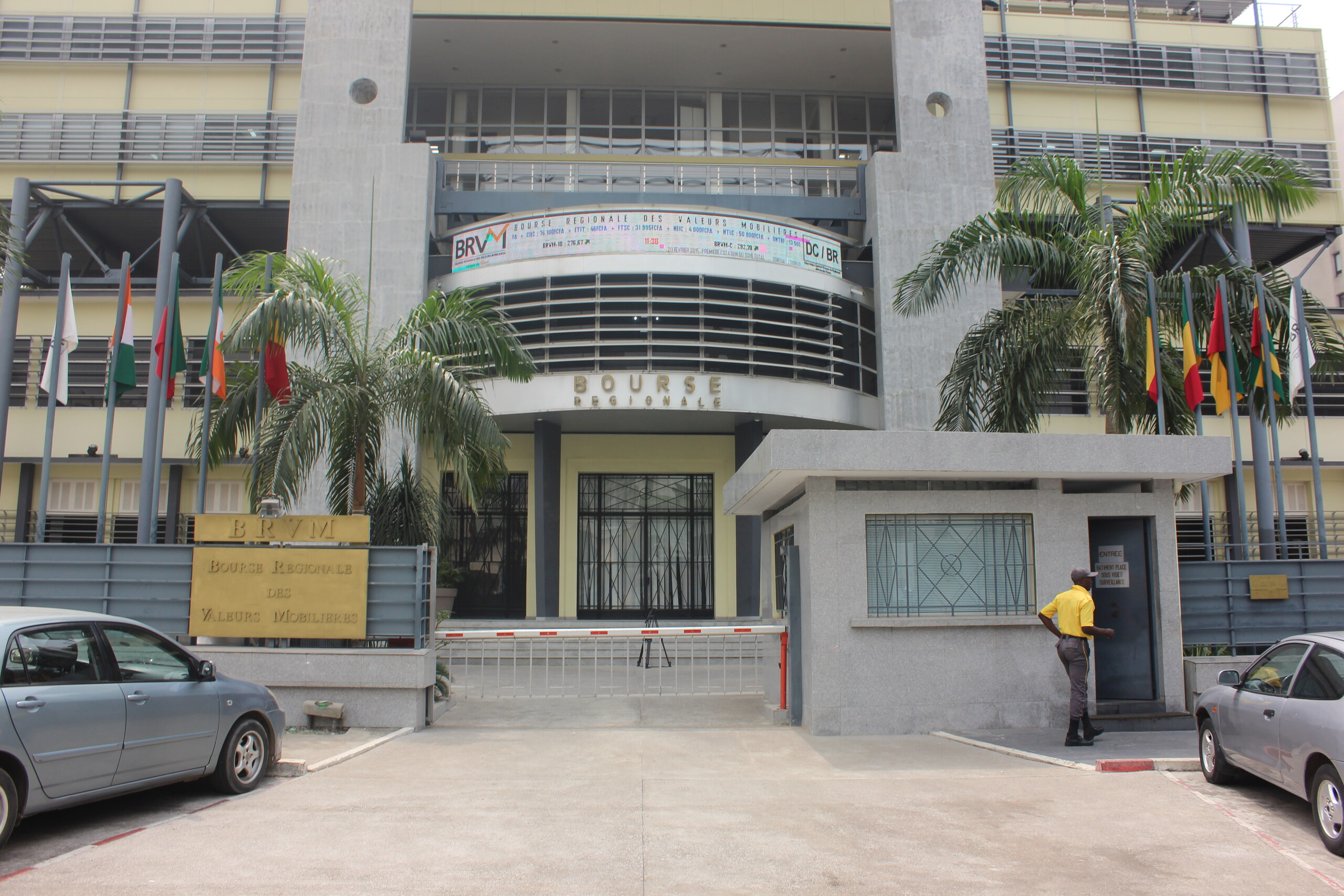
Burkina Faso’s government has asked commercial banks and microfinance lenders to put money behind Plan RELANCE. Economy and Finance Minister Aboubakar Nacanabo met their leaders in Ouagadougou, the capital, on Tuesday 22 September 2026.
What the minister asked of the banks
Plan RELANCE is the country’s national development plan for 2026 to 2030. The Council of Ministers adopted it on 29 January 2026.
Its cost is put at 36,190.7 billion CFA francs (about US$63.2 billion) over the five years. That is an average of 7,238.1 billion CFA francs a year (about US$12.6 billion).
The CFA franc is the currency Burkina Faso shares with seven neighbours in the West African Economic and Monetary Union. The Central Bank of West African States issues it, and it is pegged to the euro.
Conversions here use a rate of 572.2 CFA francs to the US dollar on 22 September 2026. That follows from the euro peg and the European Central Bank’s reference rate for the day.
The state expects to carry about two thirds of the bill from its own resources. Partners abroad and private finance are meant to cover the remaining third.
Nacanabo said banks could act above all in the plan’s fourth pillar, which holds its largest state investments. He also pointed to the third pillar, covering schools and health facilities.
“Private financing can catalyse all the surplus financing,” the minister said, according to the Ouagadougou news site Minute.bf. He named innovative instruments and public-private partnerships as the route.
The number the bankers put on the table
Djakaridjia Ouattara chairs the Professional Association of Banks and Financial Institutions of Burkina Faso, the lobby for the country’s commercial banks. He said the banks had committed to back the plan.
“We have made the commitment and shown our full readiness to support our country’s development plan,” Ouattara said.
He put the related financing need at about 10,000 billion CFA francs (about US$17.5 billion) across the five years. He said that sum is not a demand addressed to the banks.
It is part of the financing the plan needs, which lenders will help cover alongside the state and other sources. Ouattara speaks for the banks that would supply that money.
Microlenders want long money and guarantees
Saïdou Soungalo Yaméogo heads the Professional Association of Microfinance Institutions of Burkina Faso. Its members lend small sums to people and firms that commercial banks rarely reach.
“Our finding is that operators need long-term financing while we hold short-term resources,” Yaméogo said. He asked for long-term refinancing lines and guarantee schemes.
The sector counts more than two million members, and sees digital services as the way to reach rural areas. It proposed a standing forum with the ministry to set out its role.
Why credit is the hard part
The International Monetary Fund, the Washington-based lender to governments, reviewed Burkina Faso’s economy in June 2026. Its board discussed the report on 26 June 2026.
“Private sector credit contracted 4.1 percent in 2025 after a 2.2 percent drop in 2024,” the report said. That is the opposite direction from the plan’s credit target.
The Fund also said limited access to finance for households and firms keeps holding private business back. The plan sets out to change that.
Burkina Faso’s economy grew 5.3 percent in 2025, the Fund reported, lifted by gold. The Fund forecasts growth of 3.6 percent in 2026, as farm output falls.
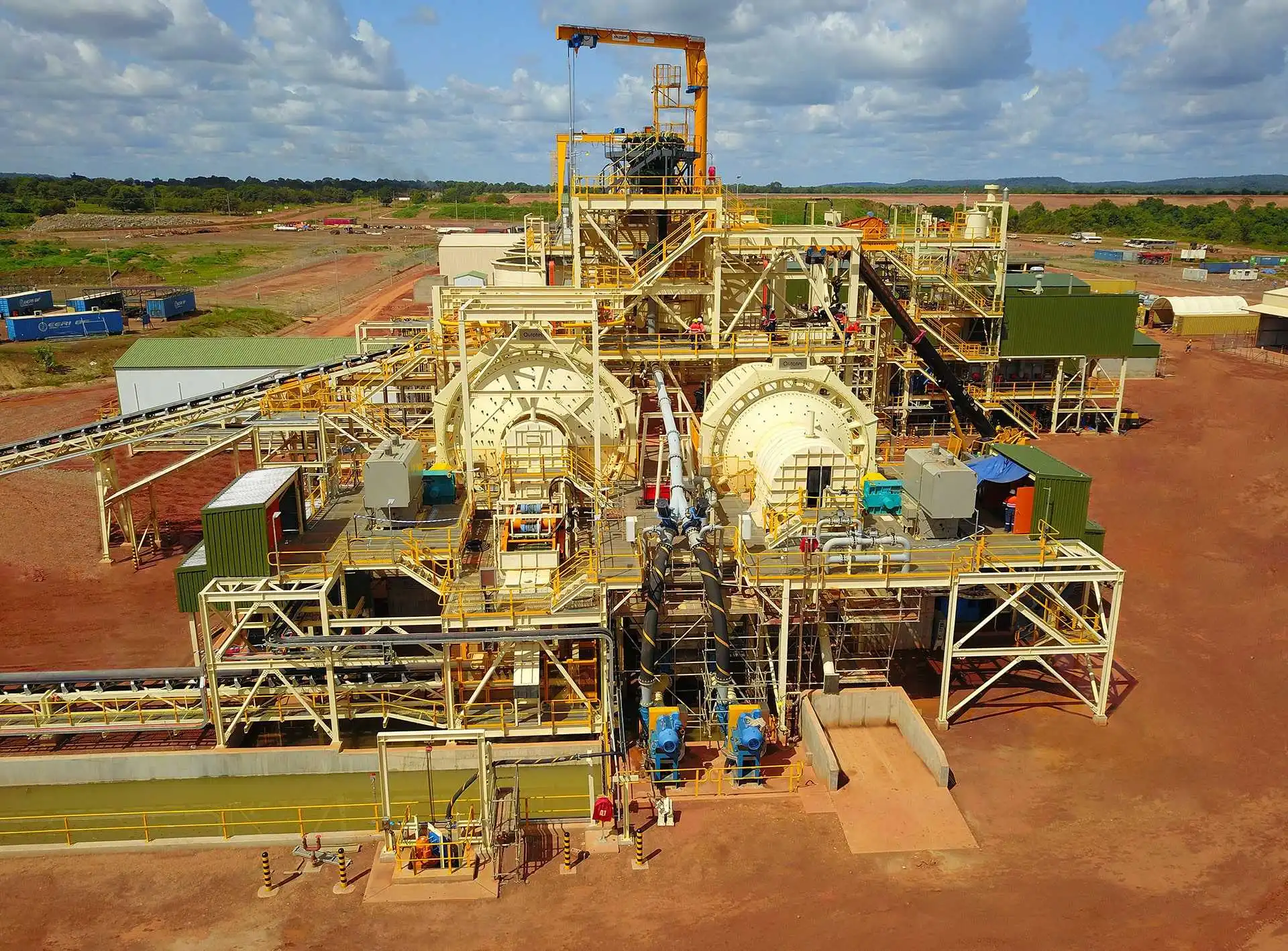
Gold accounted for nearly 90 percent of exports in 2025, the Fund said. The current account swung to a surplus of 6.3 percent of gross domestic product that year.
The Fund projects that balance swinging back to a deficit of 2.0 percent of output in 2026. Gold prices and insecurity both feed that turn.
Mining also ties Burkina Faso to a wider contest over African minerals and hard assets. That thread runs through our coverage of Africa: The New Scramble.
The targets Plan RELANCE sets
The plan wants broad banking penetration at 47.4 percent by 2030, up from 37.9 percent in 2024. Use of financial services is to reach 88 percent, from 79.7 percent.
Credit to the economy, measured against gross domestic product, is to rise from 30.8 percent to 38.1 percent. Those three numbers are the plan’s scorecard for the financial sector.
The ministry said it had raised 1,936.63 billion CFA francs (about US$3.4 billion) for the budget by 30 June 2026. That was 58.05 percent of the target for the period.
The state daily Sidwaya reported the figure on 29 July 2026, after a review meeting chaired by Nacanabo. It is the yardstick for the plan’s domestic funding.
What to watch next
The first test is whether Tuesday’s commitments turn into loan products and project finance. The microlenders have asked the ministry for a standing forum to define their role.
The second is lending itself, after the two years of contraction the Fund recorded. A return to growth in credit would be the clearest sign the plan is working.
The third is the full-year revenue figure, against the 58.05 percent booked at the half-year mark. Burkina Faso’s own money is meant to carry most of the bill.
Frequently Asked Questions
What is Burkina Faso’s Plan RELANCE?
Plan RELANCE is Burkina Faso’s national development plan for 2026 to 2030, adopted by the Council of Ministers on 29 January 2026. It carries a cost of 36,190.7 billion CFA francs (about US$63.2 billion).
What did the finance minister ask the banks to do?
Economy and Finance Minister Aboubakar Nacanabo met bank and microfinance chiefs in Ouagadougou on Tuesday 22 September 2026. He asked them to help finance the plan, above all its investment and social pillars.
How much of the plan will the state pay for?
The government expects to cover about two thirds from its own resources. The plan document puts those resources at 23,135.7 billion CFA francs (about US$40.4 billion), or 63.9 percent of the cost.
What are the financial inclusion targets?
Broad banking penetration is to rise from 37.9 percent in 2024 to 47.4 percent in 2030. Use of financial services is to reach 88 percent, and credit to the economy 38.1 percent of output.
Connected Coverage
Sources
This article was produced by The Rio Times’ automated newsroom system. How we use AI · Report an error
LatAm Markets: Live Signals → — real-time movers, turnover leaders and FX across Latin America.
Read More from The Rio Times