Brazil’s Small Apartments Lead Real Estate Boom with Price Surge Near 10%
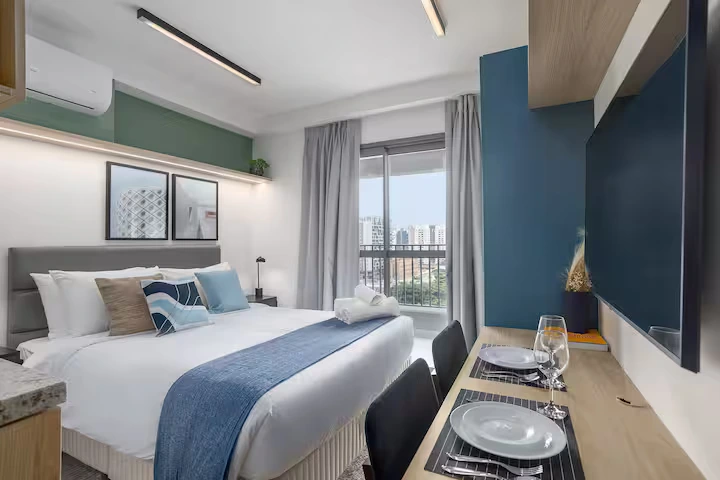
One-bedroom properties in Brazil have surged 9.44% in price over the past 12 months, according to the latest FipeZAP Index.
This dramatic increase almost doubles the national inflation rate of 4.97% during the same period. The index monitors property prices across 56 Brazilian cities and reveals a robust market trend.
Three-bedroom units recorded the second highest growth at 8.25%, followed by two-bedroom properties at 7.79%. Four-bedroom homes showed more modest appreciation at 6.15%. Overall, residential property prices climbed 8.17% compared to February 2024.
The national average price per square meter reached R$9,310 ($1,552) in February. Balneário Camboriú remains Brazil’s most expensive real estate market with average prices of R$14,206 ($2,368) per square meter.
Itapema follows at R$12,735 ($2,123), then Itajaí at R$12,192 ($2,032), Florianópolis at R$11,971 ($1,995), and São Paulo at R$11,472 ($1,912). Campo Grande led February’s monthly growth among capital cities with a 2.26% increase.
João Pessoa grew 2.17%, Salvador 2.10%, Vitória 2.07%, and Belém 1.64%. These figures demonstrate significant regional variations in Brazil’s property market dynamics.
The FipeZAP Housing Index hit a record 170.50 points in January 2025, its highest level since tracking began in 2012. This follows residential property prices rising 7.73% during 2024, marking the strongest annual performance since 2013.
Market experts point to changing demographics and housing preferences driving demand for smaller units. Young professionals and singles increasingly seek compact, affordable housing options in urban centers.
Meanwhile, investors target one-bedroom properties for their attractive rental yields. The outlook remains mixed. The Brazilian Association of Real Estate Credit expects financing to shrink 10% in 2025 after two years of growth.
Rising interest rates may cool the market, particularly affecting mortgage accessibility for first-time buyers. However, the continued strength of one-bedroom properties suggests underlying structural changes in Brazil’s housing market that may persist despite financing challenges.
More: Brazil news in English, every day from The Rio Times.
This article was drafted with automated assistance and reviewed before publication. How we use AI · Report an error
Read More from The Rio Times