Brazil’s School Violence Epidemic: A Decade of Escalating Crises
School violence in Brazil surged 254% over the past decade, with reported cases jumping from 3,700 in 2013 to 13,100 in 2023, according to data from São Paulo’s state-funded research foundation FAPESP and the Ministry of Human Rights.
Extreme attacks—including premeditated massacres, student-teacher altercations, and self-harm incidents—rose 95-fold during this period, with 2,200 cases linked to suicidal ideation or attempts in 2023 alone.
Physical assaults dominated half of all incidents, while psychological abuse and sexual violence accounted for 24% each. Firearms caused 77% of fatalities in school attacks since 2002, with male perpetrators responsible for all 36 documented massacres.
A 2023 Unicamp study revealed 58% of extreme attacks occurred between 2022 and 2023, targeting predominantly public schools (81%) and resulting in 40 deaths.
Underlying drivers include Brazil’s relaxed gun laws, viral hate speech on platforms like TikTok, and systemic neglect of racial/gender equity in curricula.
Researchers note 76% of attackers were isolated minors influenced by online extremism, often espousing misogynistic or neo-Nazi ideologies. Meanwhile, 40% of schools deny violence occurs despite student reports, exacerbating institutional distrust.
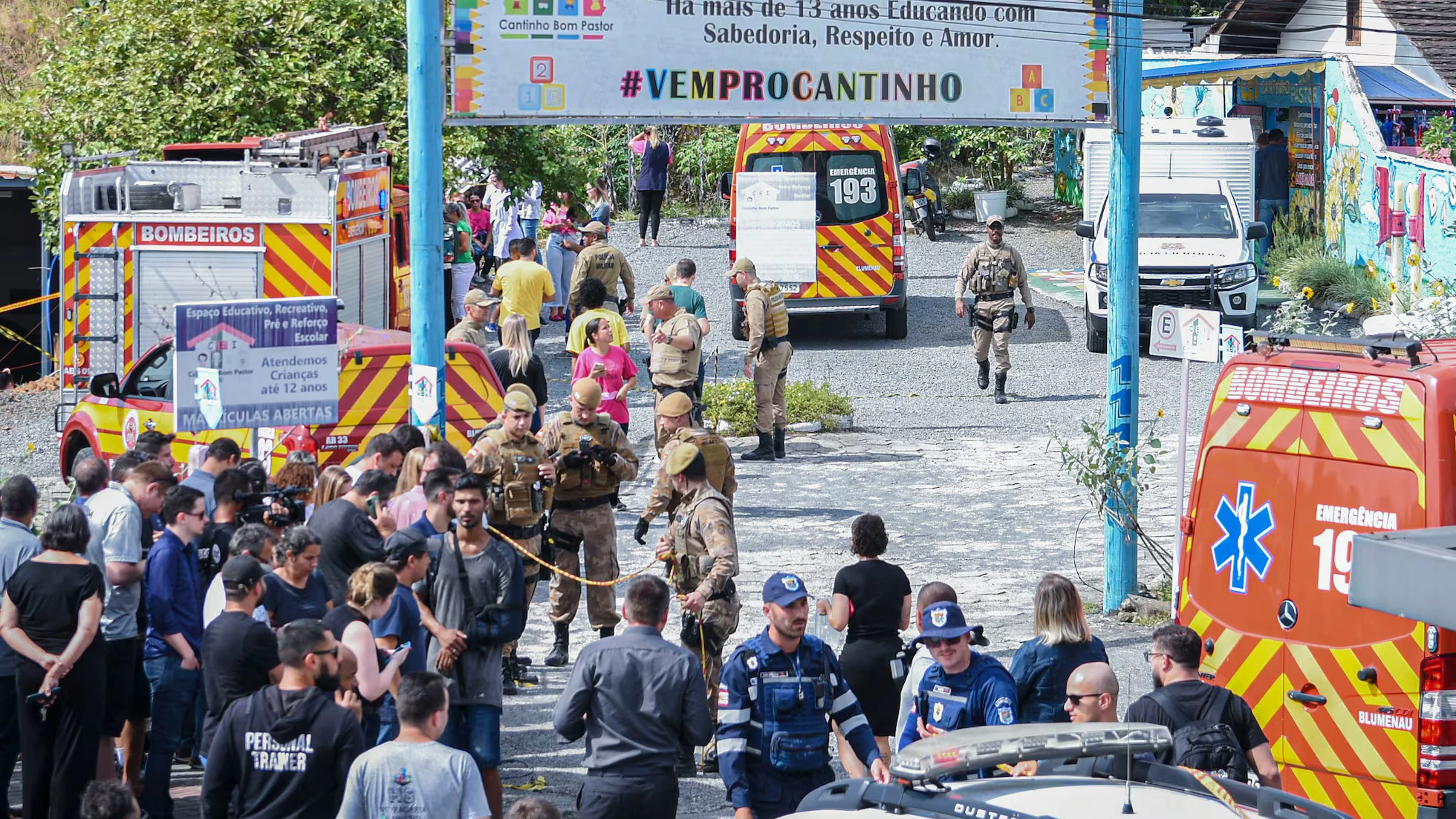
The federal government allocated $625 million for school security upgrades and mental health programs, while states like Santa Catarina deployed armed police to campuses.
Critics argue such measures ignore root causes: a 2023 Amnesty International report linked rising violence to poverty, racism, and inadequate teacher support.
With 11% of students abandoning education due to safety concerns, Brazil’s crisis now threatens long-term economic stability as workforce readiness declines.
Brazil’s School Violence Epidemic: A Decade of Escalating Crises
School violence in Brazil surged 254% over the past decade, with reported cases jumping from 3,700 in 2013 to 13,100 in 2023, according to data from São Paulo’s state-funded research foundation FAPESP and the Ministry of Human Rights.
Extreme attacks—including premeditated massacres, student-teacher altercations, and self-harm incidents—rose 95-fold during this period, with 2,200 cases linked to suicidal ideation or attempts in 2023 alone.
Physical assaults dominated half of all incidents, while psychological abuse and sexual violence accounted for 24% each. Firearms caused 77% of fatalities in school attacks since 2002, with male perpetrators responsible for all 36 documented massacres.
A 2023 Unicamp study revealed 58% of extreme attacks occurred between 2022 and 2023, targeting predominantly public schools (81%) and resulting in 40 deaths.
Underlying drivers include Brazil’s relaxed gun laws, viral hate speech on platforms like TikTok, and systemic neglect of racial/gender equity in curricula.
Researchers note 76% of attackers were isolated minors influenced by online extremism, often espousing misogynistic or neo-Nazi ideologies. Meanwhile, 40% of schools deny violence occurs despite student reports, exacerbating institutional distrust.
The federal government allocated $625 million for school security upgrades and mental health programs, while states like Santa Catarina deployed armed police to campuses.
Critics argue such measures ignore root causes: a 2023 Amnesty International report linked rising violence to poverty, racism, and inadequate teacher support.
With 11% of students abandoning education due to safety concerns, Brazil’s crisis now threatens long-term economic stability as workforce readiness declines.
More: Brazil news in English, every day from The Rio Times.
This article was drafted with automated assistance and reviewed before publication. How we use AI · Report an error · Editorial responsibility: Matthias Camenzind, Editor-in-Chief