Brazil’s Growth Slows in May as High Rates and Weak Exports Test Economic Strength
Brazil’s economy grew 0.3% in May 2025 compared to April, according to official data from the Fundação Getulio Vargas (FGV). The slight advance came despite tight monetary policy and slowing exports, highlighting the surprising strength of domestic demand and services.
High interest rates, used by Brazil’s central bank to fight stubborn inflation, continued to weigh on business costs and household credit. With the Selic rate at 15% since early 2025, borrowing remains expensive, but consumer spending stayed positive.
Household consumption rose for the fifth straight month, growing 2.1% in the three months ending in May. Families kept buying both durable and everyday goods, helping keep the economy from stalling.
Services—Brazil’s largest sector—led the expansion. Most service industries grew except retail. In contrast, farming and industry struggled. Agriculture, once a major growth driver, slowed as the strong soybean season ended.
Industry also contracted as companies in manufacturing invested less in machinery due to high financing costs. Investment, however, finally showed signs of recovery.
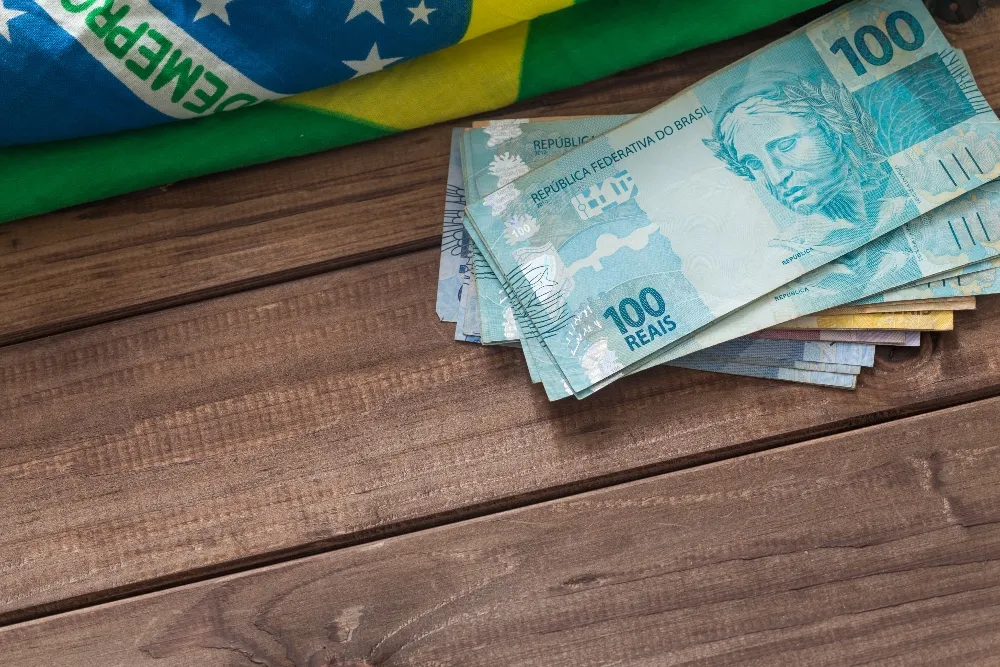
Gross fixed capital formation rose 6.9% in the three-month period up to May, mainly driven by construction activity. Machinery investment slowed sharply, but increased infrastructure spending helped balance the decline.
Brazil’s external trade provided less support than in previous years. Exports in the three months ending May grew just 1.3%, while exports of mining products shrank 0.5% due to lower global commodity prices.
More shipments went to the U.S., but volumes to China fell. At the same time, imports rose 5.1%, slowing from a 10.7% increase in the earlier quarter, as firms continued importing goods for production and infrastructure.
By May, Brazil’s nominal GDP reached R$5.084 trillion ($900 billion) . The investment rate stood at 19.6%. Over the year, Brazil’s economy grew 3.4%, following a strong 3.0% rise in the previous quarter.
The bottom line: Brazil’s economy keeps moving, but slowly. Internal demand, especially services and family spending, helps offset weaker exports and high interest rates.
The path forward depends on whether inflation cools enough for rates to fall and on whether trade partners lift demand for Brazil’s goods.
For now, Brazil shows it can grow under pressure—but without fiscal space and better trade terms, that growth may stay modest.
This article was produced by The Rio Times’ automated newsroom system. How we use AI · Report an error · Editorial responsibility: Matthias Camenzind, Editor-in-Chief
LatAm Markets: Live Signals → — real-time movers, turnover leaders and FX across Latin America.