Brazil’s Deficit Soars, Far Surpassing Initial Promises
Under the Lula government, the $10 billion surplus achieved by the Bolsonaro administration in 2022, the best since 2013, was depleted within a year.
On Wednesday, Brazil updated its deficit forecast for 2023. The new figure is R$ 177.4 billion ($36 billion), up from September’s R$ 141.4 billion ($29 billion) prediction.
This increase deviates strongly from Finance Minister Fernando Haddad’s initial estimate of R$ 100 billion ($20 billion) in January.
A primary deficit occurs when spending exceeds revenue, excluding debt interest.
This latest forecast reflects Brazil’s economic struggles. It’s part of the budget’s bi-monthly report, covering up to October.
The government now aims to increase federal revenues through new legislative measures. This is crucial as the goal is to eliminate the deficit by 2024.
However, this ambitious target faces skepticism from politicians, experts, and President Luiz Inácio Lula da Silva himself.
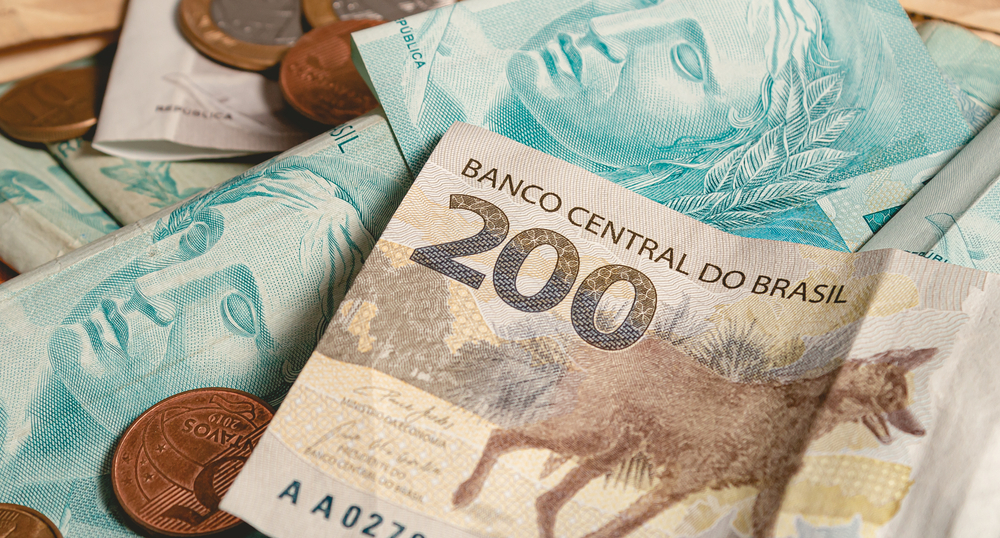
The revised forecast shows the complexity of Brazil’s fiscal management. It underscores efforts to balance budget responsibilities amid economic uncertainties.
Brazil’s proactive steps aim to address these fiscal challenges.
Background – Brazil’s Deficit Soars, Far Surpassing Initial Promises
Brazil’s updated deficit aligns with trends seen in leftist governments, which prioritize public spending.
These governments often focus on social programs and services, leading to higher expenditures than revenues.
The challenge is to balance social objectives with fiscal sustainability. Socialist governments worldwide face similar issues, resulting in significant deficits.
Brazil’s situation echoes these global patterns, showcasing the challenges of managing government-controlled economies.
Efforts to increase revenue and eliminate the deficit by 2024 reflect attempts to stabilize the economy.
Brazil’s case illustrates the fiscal difficulties faced by ideologically driven administrations. It highlights the need for careful financial planning to achieve economic stability and social welfare.
Brazil is working towards a more balanced fiscal approach, which is essential for long-term economic health and equitable social development.
More: Brazil news in English, every day from The Rio Times.
This article was produced by The Rio Times’ automated newsroom system. How we use AI · Report an error
Read More from The Rio Times