Brazil’s Credit Revolution: Lula’s Plan for Private Sector Workers
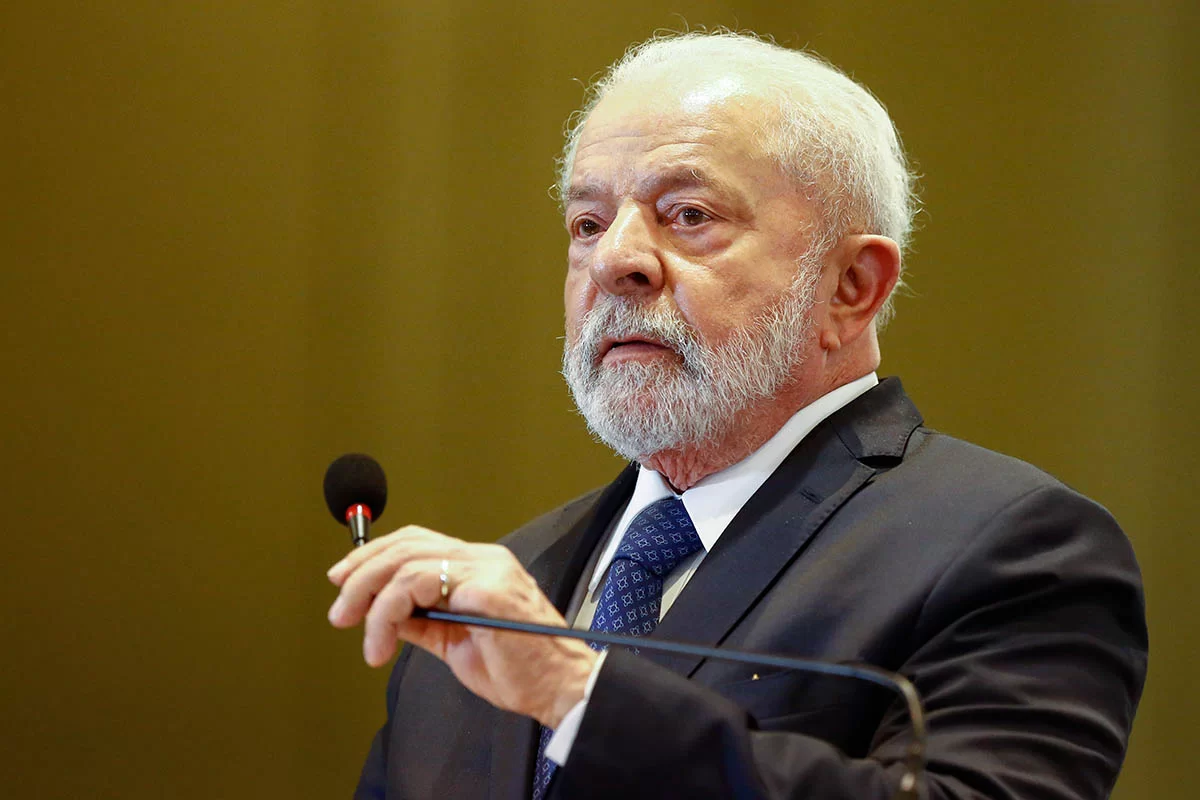
President Luiz Inácio Lula da Silva has announced a game-changing credit program for Brazil’s private sector employees. The initiative aims to extend payroll loans to workers under the Consolidation of Labor Laws (CLT) regime.
This could potentially benefit 42 million people. Lula’s plan seeks to triple the current payroll loan volume for private sector workers from R$40 billion ($6.45 billion) to R$120 billion ($19.35 billion).
This ambitious target matches the credit availability for public servants and retirees, whose R$120 billion ($19.35 billion) wage bill generates R$600 billion ($96.77 billion) in loans.
The government proposes creating a digital platform to connect banks directly with workers’ credit profiles through the eSocial system. This streamlined approach eliminates the need for individual company-bank agreements, making loans more accessible.
Under the proposed system, workers can commit up to 30% of their salary to loan repayments. They may also use 10% of their Severance Indemnity Fund (FGTS) balance as additional collateral.
[arve url=”https://www.riotimesonline.com/wp-content/uploads/2025/01/679c95dbe95cfbeb2096b519.mp4″ loop=”true” autoplay=”true” /]
In case of job loss, workers can use their full severance pay to settle outstanding debts. The Brazilian Federation of Banks (Febraban) supports the initiative, seeing it as an opportunity to expand their customer base.
Experts Caution and Lula’s Credit Expansion Plans
However, some experts urge caution, stressing the need for responsible lending practices to prevent over-indebtedness. Lula‘s administration plans to introduce the necessary legislation in February 2025, either through a provisional measure or a bill to the National Congress.
This move will provide the legal framework for implementing the program. The success of this credit expansion will depend on careful implementation and monitoring.
Balancing worker protection with credit accessibility remains crucial. The government must also address data privacy and security concerns in the eSocial system.
This initiative represents a significant shift in Brazil’s financial landscape, potentially democratizing access to lower-cost credit for millions. The coming months will reveal the plan’s impact on the country’s economy and its workers’ financial well-being.
More: Brazil news in English, every day from The Rio Times.
This article was produced by The Rio Times’ automated newsroom system. How we use AI · Report an error · Editorial responsibility: Matthias Camenzind, Editor-in-Chief
LatAm Markets: Live Signals → — real-time movers, turnover leaders and FX across Latin America.