Brazil vs Mexico for Expats in 2026: The Numbers That Actually Decide It
LATIN AMERICA · HEAD-TO-HEAD
Key Facts
- —The nomad visa Brazil asks US$1,500 a month or US$18,000 in savings. Mexico has no nomad visa at all.
- —Mexican residency About US$4,700 a month or US$79,200 in savings, though consulates post their own figures.
- —The visa trap Americans, Canadians and Australians have needed a visa for Brazil since April 2025.
- —The cost surprise Rio and São Paulo now come out cheaper than Mexico City, Mérida and Guadalajara.
- —The health system Brazil’s public system is free with no waiting period. Mexico’s is insurance you buy.
- —The catch Brazil has no tax treaty with the United States. Mexico has no social security agreement.
Two things have flipped since this comparison was last worth making. Americans now need a visa for Brazil, and Mexico City has become the most expensive city of the five.
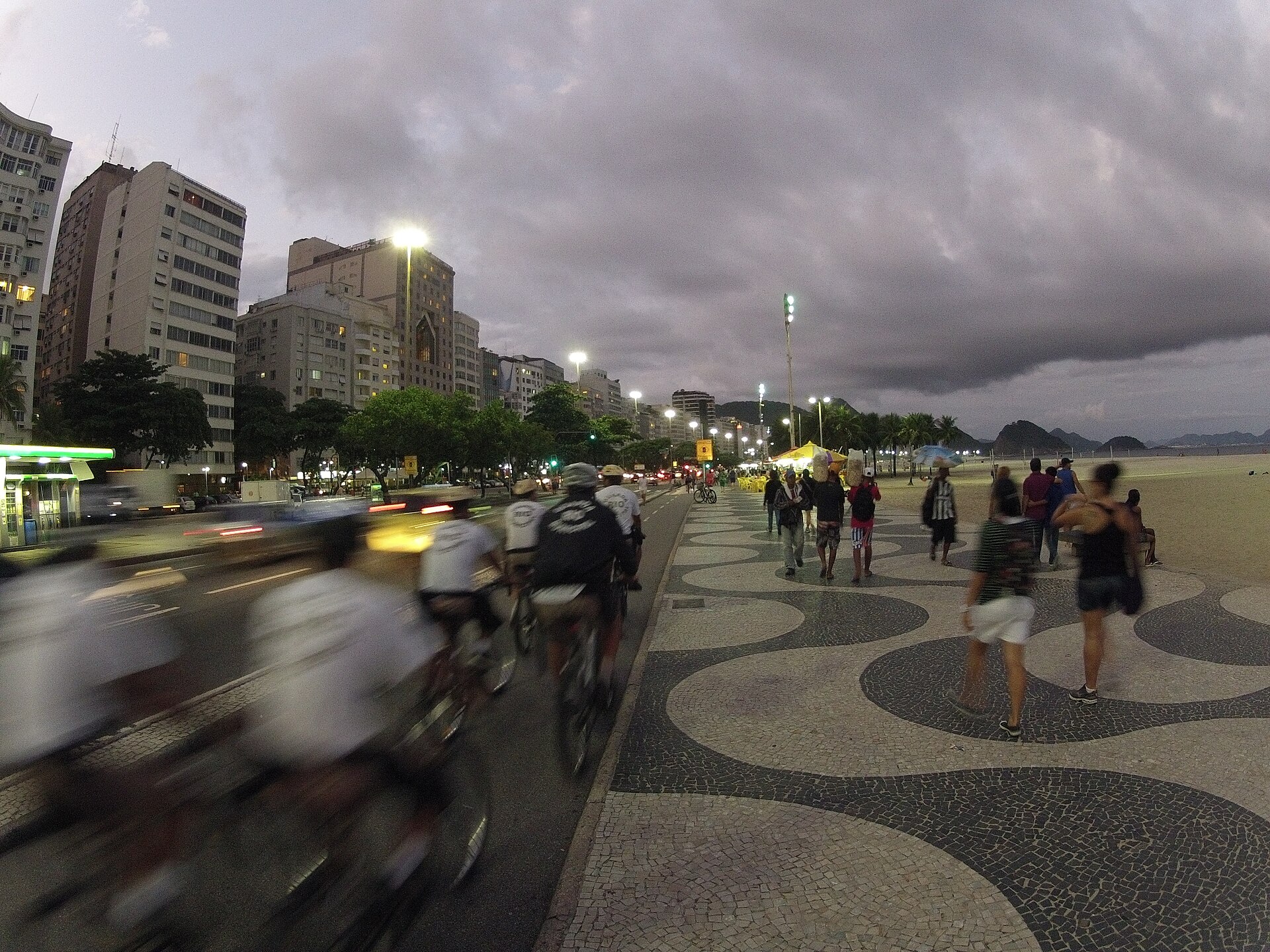
Brazil vs Mexico for expats used to turn on lifestyle. In 2026 it turns on two numbers and one border rule, and all three have moved.
The first is what each country asks you to earn. The second is what each city actually costs in dollars.
The third is that Americans, Canadians and Australians lost visa-free entry to Brazil on 10 April 2025. That single change reshapes the comparison for most readers of this guide.
The Visa Thresholds
Brazil vs Mexico for expats starts here, because the entry test differs by a factor of three. One country asks what a junior salary pays and the other asks for a senior one.
Brazil has a dedicated digital nomad visa and its terms have not moved since 2021. You show US$1,500 a month from a foreign payer, or US$18,000 in a bank account.
It runs one year and renews once, for a maximum of two. It is expressly not available to anyone working for a Brazilian employer.
The New York consulate adds that it is not for business owners either. It is a remote-work visa for a foreign payer and nothing else.
Mexico has no nomad visa. It uses ordinary temporary residency, and the arithmetic behind it changed in July 2025.
Consulates were moved from the minimum wage to an inflation-linked accounting unit. For 2026 that unit is 117.31 pesos a day, about US$6.91, and the income test is 680 days of it.
That works out at 79,770 pesos a month, about US$4,701. The savings alternative is 11,460 days, or 1,344,372 pesos, roughly US$79,217.
Figures of US$4,400 and US$74,000 circulate widely. They are arithmetically right only at eighteen pesos to the dollar, and the peso is stronger than that.
Consulates set their own dollar figures and refresh them on their own schedules. Las Vegas posts US$4,630 and US$78,025, San Diego US$4,510 and US$75,950, Orlando US$4,393 and US$73,215.
Check the consulate you will actually use. There is no single national number.
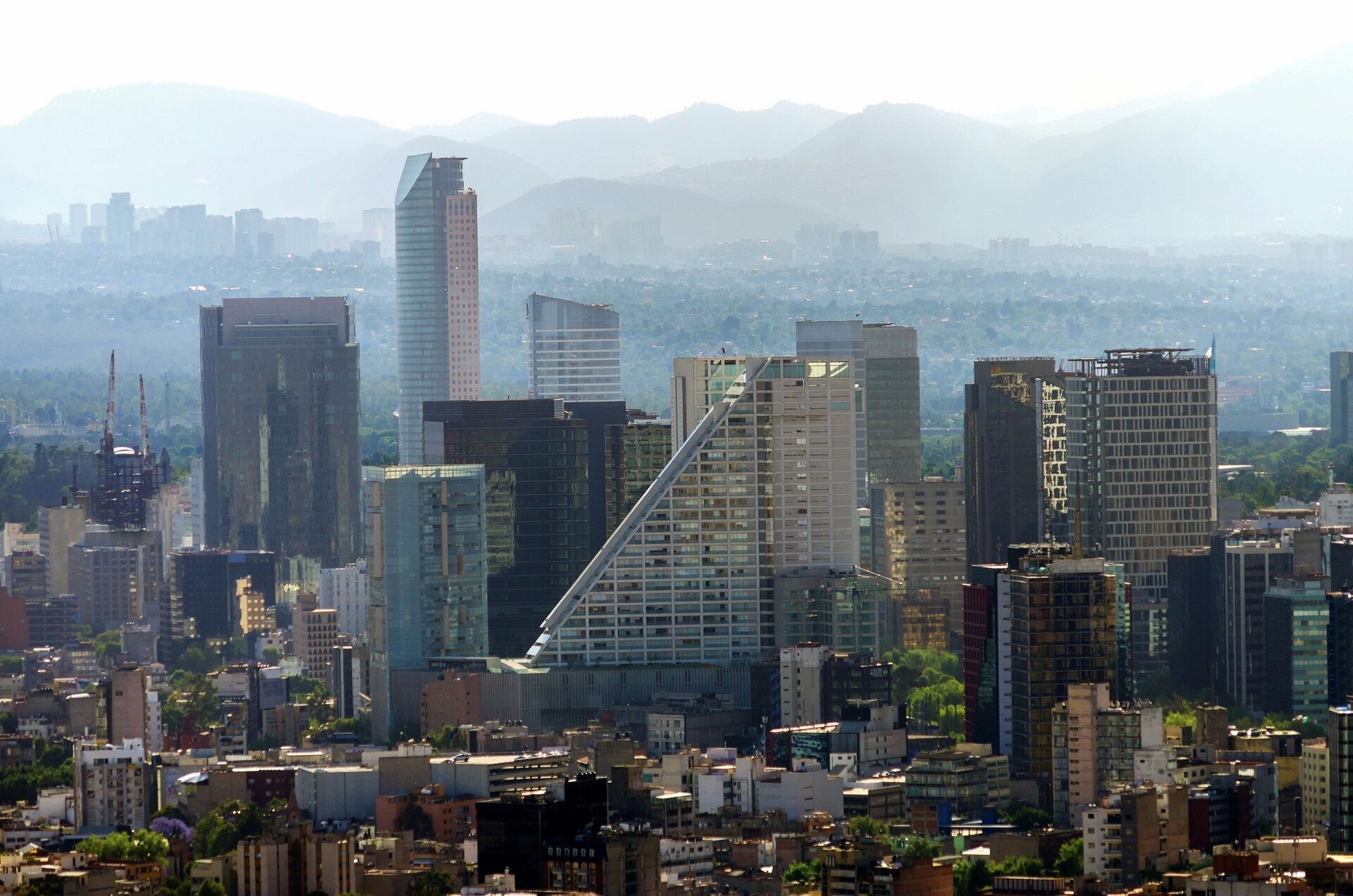
The Rule Change That Helped Mexico
The switch to the accounting unit looks technical and is not. It is the most consequential immigration change in either country in two years.
The unit rises with inflation at three to four percent a year. The Mexican minimum wage rose thirteen percent for 2026, to 315.04 pesos a day or about US$18.56.
Had the old basis survived, the residency income test would now sit above US$5,100 a month. Instead it held near US$4,700.
A separate reform of the migration law in January 2026 changed nothing for foreigners. It covered protection duties, migrant station conditions and assisted return, not residency categories or thresholds.
Permanent Residency
Mexico’s consular route to permanent residency is for pensioners only. The income test is 1,140 days of the accounting unit, about 133,733 pesos a month or some US$7,880.
Read the wording carefully, because it says pension rather than employment. Salary income does not qualify at a consulate.
The practical route for working-age people is time. Temporary residency is capped at four years, and after those four years permanent status follows with no income test.
That is the standard path and it is why the pension figures matter less than they look. Brazil’s own route to permanent status runs through its ordinary residency categories.
The nomad visa is not one of them and leads nowhere. Anyone planning to stay should not start there.
What the Cities Cost
These are crowd-sourced figures and should be read as such. The sample sizes vary, and Mérida rests on only 29 contributors over the past year against 177 for São Paulo.
A one-bedroom flat in central Rio de Janeiro averaged 4,268 reais a month, about US$838. In central São Paulo it was 3,390 reais, some US$666.
Central Mexico City averaged 19,195 pesos, roughly US$1,131. Guadalajara was 15,400 pesos or about US$907, and Mérida 11,687 pesos or some US$689.
Add living costs and the totals invert the usual assumption. A single person in São Paulo comes to about US$1,241 a month outside the centre, and in Rio about US$1,310.
Mexico City comes to about US$1,652 on the same basis, Mérida US$1,420 and Guadalajara US$1,346. On this data the two Brazilian megacities are the cheapest of the five.
Treat that as a 2026 snapshot rather than a structural claim. On cost, Brazil vs Mexico for expats is largely a currency story this year.
The Currencies Behind It
The real stood at 5.0918 to the dollar on 11 September, against 5.5024 at the start of the year. That is a gain of about eight percent.
The peso stood at 16.9707, from 17.97 at the start of January, a gain of about six percent. Both currencies strengthened, the real more than the peso.
That is why dollar costs in both countries are higher than a year ago even where local prices held. It is also why the Mexican thresholds rose in dollar terms without any rule changing.
Safety, Precisely
Both countries sit at the second of four American advisory levels. What differs is where the highest warnings fall.
In Brazil the do-not-travel designation applies to land borders and to informal settlements anywhere in the country, including in Rio. It is not applied to any state as a whole.
In Mexico it applies to six entire states: Colima, Guerrero, Michoacán, Sinaloa, Tamaulipas and Zacatecas. Eight more carry the third level, including Jalisco.
That matters for anyone choosing a city. Yucatán, where Mérida sits, carries the lowest level of all, while Guadalajara sits in a third-level state.
Healthcare, Where Brazil Wins Clearly
Brazil’s public system is open to foreign residents by statute and it is free. You register at a local health unit with a tax number, a passport or residence card and proof of address.
There is no premium, no contribution and no qualifying period. Emergency care is available regardless of immigration status.
Mexico’s equivalent is a voluntary insurance scheme you buy, and it requires a valid migration document. The annual premium for ages 40 to 49 is 14,350 pesos, so a couple pays 28,700 pesos or about US$1,691 a year.
That is roughly US$141 a month and it is good value. But pre-existing conditions are excluded, waiting periods apply and applicants can be refused.
On private cover the two are broadly comparable. Mexican major medical runs about US$1,470 to US$3,240 per person a year.
Brazilian plans for a couple in their forties run about US$137 to US$432 a month. Both figures come from brokers rather than regulators.
One point favours Brazil on the margin. Its regulator capped 2026 increases on individual plans at 5.11 percent, the lowest positive figure since 2021.
Tax, and a Crossed Pattern for Americans
Both countries tax residents on worldwide income. Brazil’s top personal rate is 27.5 percent and Mexico’s is 35.
Brazil makes you resident after 183 days of presence, or immediately on a permanent visa. Mexico uses your home and, where you have two, your centre of vital interests.
Now the part that matters most to Americans, and it is crossed. Brazil has no income tax treaty with the United States but does have a social security agreement.
Mexico is the exact reverse: an income tax treaty but no social security agreement. Anyone self-employed should work out which exposure costs them more before choosing.
Brazil also reformed personal income tax with effect from January 2026. Monthly income up to 5,000 reais, about US$982, is now fully exempt, with relief tapering to 7,350 reais or some US$1,444.
A new minimum tax applies above 600,000 reais a year, roughly US$117,800, capped at ten percent. The top rate is unchanged.
Getting In
Americans, Canadians and Australians need an electronic visa for Brazil, at US$80.90. It is valid ten years for Americans and five for Canadians and Australians.
It allows 90 days per visit and 180 days in any twelve months. Extensions go through the federal police.
Brazil also moved temporary visa issuance online from 1 September 2026, with the visa delivered as a document by email. That reform covers nationals who are exempt from its visitor visa, which those three are not.
Mexico grants visitors up to 180 days, and the word up is doing work. The law sets a ceiling and the officer at the desk sets the number.
The paper entry card has largely been replaced at major airports by a stamp with the authorised stay written on it. Land borders still issue a form for a fee, and you should carry your original passport.
More: Latin America news in English, every day from The Rio Times.
Frequently Asked Questions
Which is cheaper to live in?
On crowd-sourced 2026 data the Brazilian cities are. São Paulo comes to about US$1,241 a month for one person and Mexico City to about US$1,652.
What income do I need?
Brazil’s nomad visa asks US$1,500 a month or US$18,000 in savings. Mexican temporary residency asks about US$4,700 a month, though consulates post their own figures.
Do Americans need a visa for Brazil?
Yes, since 10 April 2025. An electronic visa costs US$80.90 and is valid ten years, allowing 90 days per visit.
Which has better healthcare access?
Brazil’s public system is free to residents with no waiting period. Mexico’s is a voluntary insurance scheme that excludes pre-existing conditions.
Which is better for American taxes?
Neither cleanly. Brazil has no income tax treaty but does have a social security agreement, and Mexico has the reverse.
Sources: CNIg Resolution 45 of 2021, Itamaraty, Lineamientos Generales para la expedición de visas of 25 July 2025, INEGI, Ley de Migración, Banco Central do Brasil, Banco de México, IMSS, Lei 13.445 de 2017, Lei 15.270 de 2025, ANS, US State Department, Internal Revenue Service, Social Security Administration, Numbeo.
This article was produced by The Rio Times’ automated newsroom system. How we use AI · Report an error · Editorial responsibility: Matthias Camenzind, Editor-in-Chief
Expat Guide to Brazil
What The Rio Times publishes for foreigners who live in or move to Brazil.
Start here
- Do US Citizens Need a Visa for Brazil? Yes, US$80.90 E-Visa
- Brazil Education and Healthcare Explained
- Brazil Security and Crime Explained 2026
- Brazil Rent and Power Bills After 4.58% Inflation
City guides
Rio de Janeiro, São Paulo, Florianópolis, Salvador, Belo Horizonte, Curitiba, Porto Alegre, Brasília
Coming up in Brazil
- Brazil Runoff Date and Results Time: 25 October, 4 p.m. ET 25 Oct
- Brazil Runoff Day on 25 October for Foreign Visitors 25 Oct
- Brazil Votes 25 October, Polls Close 4 p.m. Eastern 25 Oct
- Brazil Election 2026: Lula vs Flávio Runoff on 25 October 25 Oct
Understand Brazil