Mexican Giant Alpek to Shut Argentina Recycling Plant in 2026
Argentina · Business
Key Facts
—Plant. Ecopek in General Pacheco, Buenos Aires province, producing rPET resin.
—Closure date. Operations cease on 31 March 2026.
—Jobs. About 40 workers face dismissal or possible redeployment.
—Stated reasons. Weak demand, no recycled-content rules, and pressure from imports.
—Parent scale. Alpek has 31 plants in nine countries and nearly US$500 million in annual EBITDA.
Alpek Polyester Argentina is shutting its Ecopek PET recycling plant in General Pacheco, Buenos Aires province, with operations set to end on 31 March 2026.
What PET Recycling Means
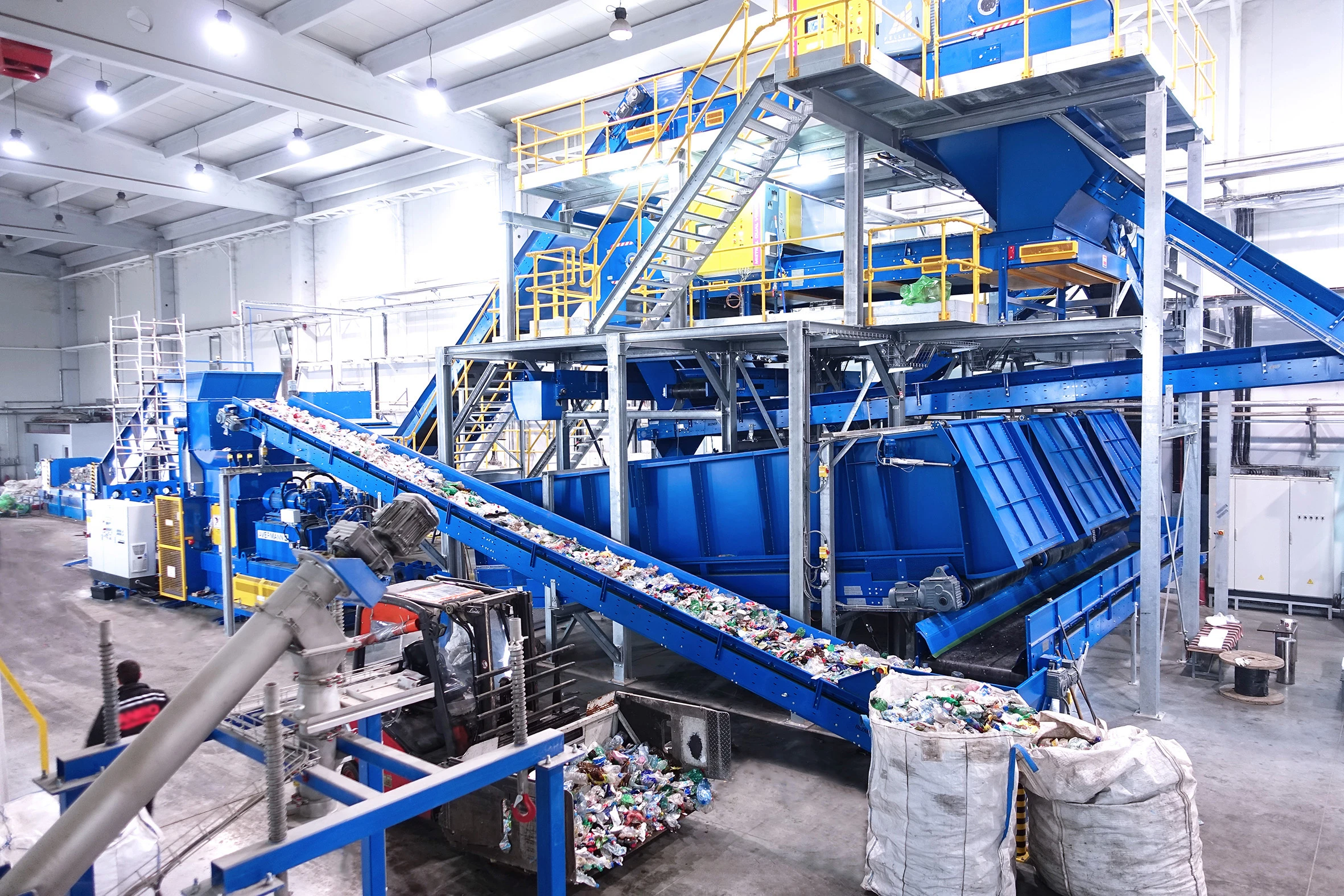
PET, short for polyethylene terephthalate, is the clear, lightweight plastic used in billions of beverage bottles and food containers worldwide. Recycling it mechanically turns used bottles into rPET, a resin that packaging makers can melt and shape again.
The Ecopek plant took post-consumer bottles and produced rPET feedstock for the beverage and packaging industries. Without such plants, more plastic flows to landfills or incinerators, and manufacturers rely on virgin fossil-fuel-based resin instead.
Why Alpek Is Pulling the Plug
The company said the decision followed a careful evaluation of structural conditions in Argentina and the region. It pointed to persistent demand weakness, a lack of regulations that reward recycled content, and growing pressure from imported products, especially from China.
In its first-quarter 2026 report, Alpek framed the shutdown as part of a footprint-optimization strategy. The group is redirecting assets toward more competitive and scalable operations, noting that demand for virgin PET is actually rising.
The Human Cost in General Pacheco
About 40 workers are tied to the Ecopek site. Their status was still under review at the time of reporting, with the company weighing dismissals against possible redeployment within its Argentine operations.
For a multinational of Alpek’s size, 40 jobs is a modest number. But in the industrial corridor of Buenos Aires province, each position anchors a household, and manufacturing employment has been thinning for years.
Argentina’s Industrial Climate in Focus
The closure does not happen in a vacuum. Industry reports contrast Argentina with Brazil and Uruguay, where stricter recycling rules and mandatory recycled-content requirements support a steadier market for rPET.
Argentina’s absence of such incentives leaves recyclers exposed to cheaper virgin plastic and imports. Even a large multinational with nearly US$500 million in annual EBITDA and 31 plants across nine countries concluded the local math no longer works.
Alpek still keeps a PET resin manufacturing site in Zárate and a corporate office in Vicente López. But the Pacheco shutdown signals that, without policy change, circular-economy investments will struggle to hold ground in the country.
What It Means for Expats, Investors, and the Circular Economy
For foreign investors watching Argentina, the Ecopek closure is a real-world signal about the cost of policy gaps. When a global player with deep pockets retreats from recycling, it often means the regulatory framework does not offset the higher cost of collecting, sorting, and reprocessing used plastic.
Expats and environmentally conscious consumers may notice fewer locally recycled packaging options on supermarket shelves. Brands that want to meet their own global sustainability pledges could find it harder to source Argentine-made rPET, potentially pushing them toward imported recycled resin or back to virgin plastic.
The move also highlights a broader tension in emerging markets: governments often speak favorably about the green economy, but without concrete mandates or tax incentives, recycling plants can become financially unviable overnight. Investors eyeing sustainability-linked ventures in Latin America may now look more closely at Brazil or Uruguay, where rules create a more predictable floor under demand.
What Happens Next
Alpek says it will continue optimizing its footprint, which suggests more asset shifts are possible if conditions do not improve. The company’s Zárate virgin-PET plant remains active, so its Argentine story is not over, but its focus is clearly narrowing to the most profitable units.
For the 40 affected workers, the coming weeks will be decisive as the company finalizes whether to offer redeployment or proceed with layoffs. Local officials and industry groups may use the closure to press for recycled-content legislation, though Argentina’s political calendar makes rapid reform uncertain.
In the meantime, the empty Ecopek facility will stand as a case study of how quickly a circular-economy project can unwind when market signals and policy support point in opposite directions.
More: Argentina news in English, every day from The Rio Times.
Frequently Asked Questions
What is rPET and why does it matter?
rPET is recycled PET resin made from used bottles that cuts fossil-fuel use and waste, but needs steady demand and supportive rules to compete with cheap virgin plastic. Without plants like Ecopek, more bottles end up in landfills and manufacturers lean harder on new petroleum-based resin.
Will Alpek leave Argentina entirely?
No — Alpek keeps a virgin PET plant in Zárate and a corporate office in Vicente López. The closure affects only the recycling arm, not the broader polyester business.
How many people lose their jobs?
About 40 workers are affected, and the company is still reviewing whether they will be dismissed or moved to other Argentine operations. A final decision is expected closer to the 31 March 2026 shutdown date.
Connected Coverage
Sources: Alpek; Alpek Polyester Argentina; first-quarter 2026 report.
This article was produced by The Rio Times’ automated newsroom system. How we use AI · Report an error
LatAm Markets: Live Signals → — real-time movers, turnover leaders and FX across Latin America.
Read More from The Rio Times