Brazil Services Contract 0.2% in January Amid Rising Interest Rates
Brazil’s services sector contracted 0.2% in January compared to December, data from statistics agency IBGE revealed on Thursday.
The decline exceeded economist expectations of a 0.1% drop and continues the sector’s downward trend since reaching record highs in October 2024. Transportation services led the decline with a significant 1.8% drop.
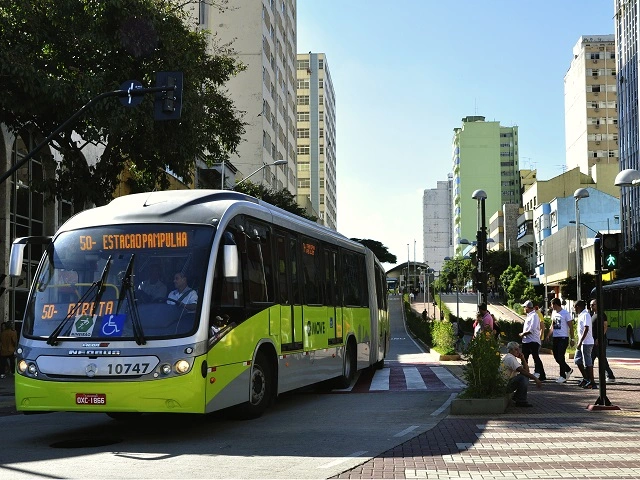
Pipeline transport companies reported substantial revenue losses while air travel, passenger road transport, rail freight, and postal services also struggled.
Services provided to families fell 2.4%, marking the largest decline among major categories. Professional, administrative, and complementary services decreased by 0.5%.
Only two categories showed growth in January. Information and communication services rose 2.3%, while other services grew at the same rate. The mixed performance reflects Brazil’s broader economic challenges as Latin America’s largest economy experiences a slowdown.
On an annual basis, services grew 1.6% compared to January 2024. This figure fell short of the 1.9% growth analysts had predicted. The service sector makes up approximately 70% of Brazil’s economy, making its performance crucial to overall economic health.
Brazil’s Economic Outlook
High interest rates continue to weigh on economic activity. Brazil’s Central Bank maintains its benchmark rate at 13.25% and signals a potential 100 basis point increase later this month. Policymakers aim to bring inflation back to their 3% target despite economic consequences.
The January data adds to mounting evidence of economic cooling. Industrial output data also disappointed in January. Economists expect Brazil’s GDP growth to slow to around 2.1-2.3% in 2025 from 3.1% in 2024.
Recent indicators suggest potential improvement ahead. The S&P Global Brazil Services PMI rose to 50.6 in February from January’s 47.6, indicating a return to growth. New business intakes increased as demand conditions improved, particularly in consumer services.
Significant challenges remain despite the February uptick. Input costs surged at one of the fastest rates in 18 years. Rising expenses for food, labor, materials, transportation, and utilities forced companies to implement the steepest price increases since mid-2022.
Brazil’s services sector currently sits 15.6% above pre-pandemic levels but remains 1.9% below its October 2024 peak.
This article was produced by The Rio Times’ automated newsroom system. How we use AI · Report an error
LatAm Markets: Live Signals → — real-time movers, turnover leaders and FX across Latin America.
Read More from The Rio Times