Mercosur and European Union set timetable for tariff reductions in trade sectors
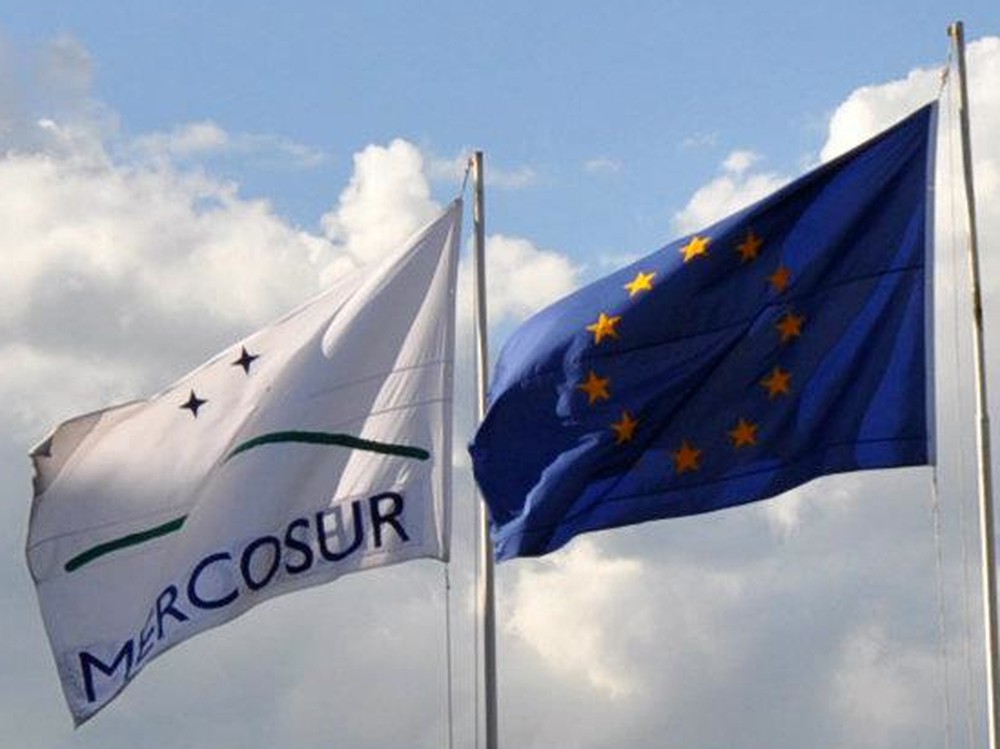
RIO DE JANEIRO, BRAZIL – The European Union and The Southern Common Market Mercosur, consisting of Argentina, Brazil, Paraguay, and Uruguay, have taken an important step forward in their negotiations.
According to the negotiated provisions, Brazil agrees to open an annual import quota of 32,000 motor vehicles from Europe at a tariff rate of 17.5%, half the normal rate, for seven years from the entry into force of the agreement between Mercosur and the European Union (EU).
After the seven years with quota, tariff relief (reduction mechanism) begins until it reaches zero in the following eight years in this sector. The automotive sector is considered one of the most important in the agreement.
In turn, Brazilian soluble coffee, widely exported to Europe, will have duty-free access in the 27 EU countries four years after the bi-regional agreement enters into force. The tariff is currently 9 percent, which is very high by European standards. And with its elimination, the Brazilian value-added product will be able to gain market share.
This information was detailed for the first time on Friday simultaneously by the Mercosur countries and the European Union with the publication of the schedules for tariff reductions and commitments for services and public purchases under the bi-regional agreement.
The goal is clearly to seek some “movement” and not appear as if the agreement has stalled, despite opposition from some European member states who say they are concerned about environmental problems in Brazil.
The European Union and Mercosur want to show huge business opportunities in the bi-regional agreement and that they must not be lost. The example of profits for European vehicle manufacturers illustrates this.
Liberalization in Mercosur will take a total of 15 years. In the first seven years, the bloc will grant a quota for the entry of 50,000 European vehicles with a preferential advantage of 50%. In other words, the European car (within the quota) will be taxed at 17.5%, while the U.S. or Japanese car will continue to pay 35%.
This 50,000 quota was distributed among Mercosur countries according to historical trade. Therefore, the Brazilian quota is higher, 32,000 vehicles. Argentina gives a quota of 15,500, Uruguay of 1,750, and Paraguay of 750 vehicles. Imports outside the quota will continue to be subject to a 35% tariff until relief begins.
On the other hand, the quota of 99,000 tons for Mercosur beef exports to the EU is known. The gain is lower for products already well traded, such as soluble coffee to Brazil, and therefore tend to increase their sales more.
In addition, the potential for Brazilian fruit is significant, a niche of international trade that has some of the greatest growth potentials. For table grapes from Mercosur, for example, the tariff in the EU will be abolished immediately.
An agreement means mutual exchange, a reduction in tariffs for companies in each bloc. That’s why a coalition of 13 leading European industry associations recently raised its voice in support of European governments’ call for rapid ratification of the Mercosur trade agreement.
The associations warned that a ratification fiasco would leave the EU and Mercosur “with fewer tools to build mutual trust and work together to address the greatest challenge of our time.^
This non-ratification would result in Brazil, Argentina, Paraguay, and Uruguay, Mercosur partners, continuing or even expanding their trade with other partners with much lower environmental and labor standards. The demonstration highlights Europe’s fear of losing more business to China in the region.
In a statement, Itamaraty said that due to public interest in the negotiations between Mercosur and the European Union, the two sides decided to make their mutual liberalization plans public.
The agreement is binding on the parties and is subject to further modifications due to the formal and legal review process now underway. The agreement will become binding on the parties under international law only after completing the domestic legal procedures required to enter into force.
In practice, a move by the EU side is only expected after the French presidential elections next year.
For the full picture, see our Mercosur EU Trade Deal: Complete Guide.
More: Brazil news in English, every day from The Rio Times.
This article was produced by The Rio Times’ automated newsroom system. How we use AI · Report an error
Read More from The Rio Times