Brazil Near Bottom in Talent Competitiveness Ranking
Brazil ranks 63rd out of 64 countries in the IMD’s World Talent Retaining Ranking. Switzerland tops the list, as usual.
Notably, only Mongolia performs worse than Brazil. One key difference is public education spending.
Switzerland spends $26,000 on each student annually. In contrast, Brazil invests only $1,900.
Nevertheless, Brazil allocates 5.9% of its GDP to education, slightly more than Switzerland’s 5.7%.
In Latin America, Chile leads with a 50th place ranking. They invest $3,100 per student and 5.5% of their GDP.
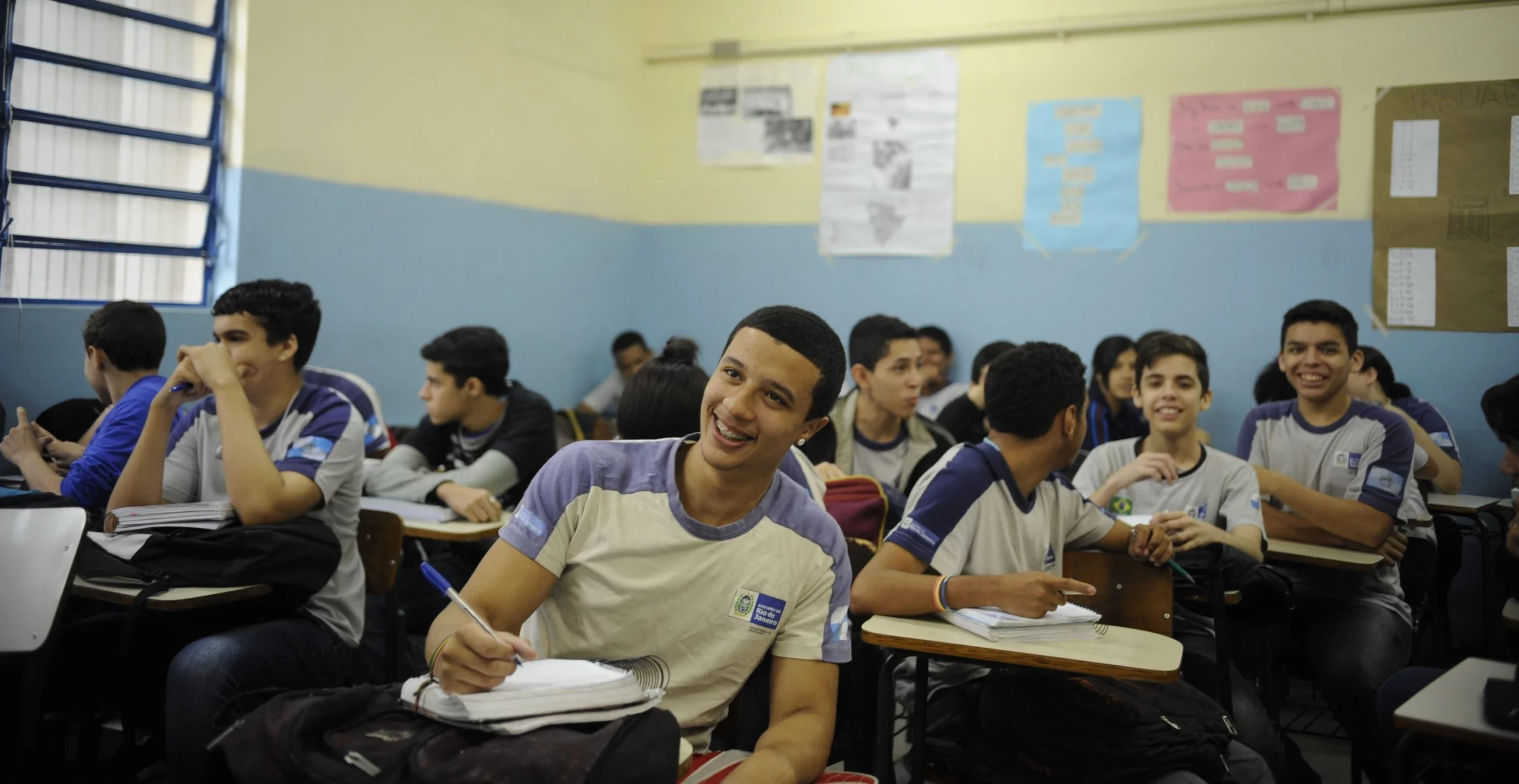
Remote work also plays a role in talent retention. Countries accepting remote work often attract high-quality professionals.
Moreover, these nations maintain better female workforce participation. According to Arturo Bris, IMD’s director, a new type of global worker is emerging.
These workers are educated in one country, live in another, and work for a company based in a third.
Globally, talent competitiveness has not yet bounced back to pre-pandemic levels.
South Asian and Eastern European nations have shown some convergence in rankings between 2019 and 2023.
Conversely, disparities in less competitive regions, like South America, are growing. The IMD study considers 31 distinct criteria.
It also includes survey responses from 4,000 global executives.
Interestingly, countries that prioritize professional training often perform better in the rankings.
Bris emphasizes that the economic implications of this choice are significant.
For added context, Brazil’s poor ranking may discourage foreign investment and affect economic stability.
This underscores the urgency for improved education and skill development.
This latest index should alert Brazil’s policy-makers and educational institutions to focus more on human capital investment.
Background
Brazil’s struggles with talent competitiveness are not new. Historically, the country has faced challenges in education and skill development.
In the 1990s and early 2000s, Brazil made efforts to improve education. However, the focus was mainly on accessibility, not quality.
Therefore, while more students enrolled, educational outcomes remained stagnant.
In recent years, political instability and economic downturns have hindered progress. These issues divert resources away from long-term investments like education.
Brazil’s low ranking in the IMD World Talent Ranking highlights the need for urgent, targeted action in human capital development.
More: Brazil news in English, every day from The Rio Times.
This article was produced by The Rio Times’ automated newsroom system. How we use AI · Report an error
Read More from The Rio Times