Brazil’s Presidential Field Goes Official in São Paulo This Month

Politics
Key Facts
—The window. Brazil’s parties hold conventions from July 20 to August 5 to make their candidacies official.
—The first. Senator Flávio Bolsonaro’s party goes first, on July 25 in São Paulo.
—The incumbent. President Lula’s party formalises his bid for a fourth term on August 2, also in São Paulo.
—The cluster. Four of the five main candidates chose São Paulo rather than their home turf.
—The deadline. Parties then have until August 15 to register candidates for the October 4 vote.
Brazil’s presidential race stops being informal this month. From July 25, party conventions turn a field of hopefuls into official candidates, and most are converging on São Paulo to do it.
Until now the contest has run on pre-candidacies and polls. The conventions are the legal step that fixes the ballot, and the calendar has just filled in.
Why party conventions matter
In Brazil there are no independent candidacies. To run for anything, a person must belong to a party and be formally chosen at its convention.
The electoral court set the window from July 20 to August 5. Parties then have until August 15 to register their tickets, before the first-round vote on October 4.
These gatherings do more than rubber-stamp a name. They lock in running mates and seal the coalitions that decide free television airtime and campaign reach.
The schedule takes shape
Senator Flávio Bolsonaro’s Liberal Party goes first, on July 25 in São Paulo. He is the standard-bearer of the right in place of his father, the jailed former president Jair Bolsonaro.
The next day, July 26, the PSD formalises the bid of Ronaldo Caiado, the former governor of Goiás. Romeu Zema, ex-governor of Minas Gerais, follows on July 27 in Brasília.
The smaller Missão party launches Renan Santos on August 1. President Lula’s Workers’ Party then formalises his run for a fourth term on August 2.
Why São Paulo
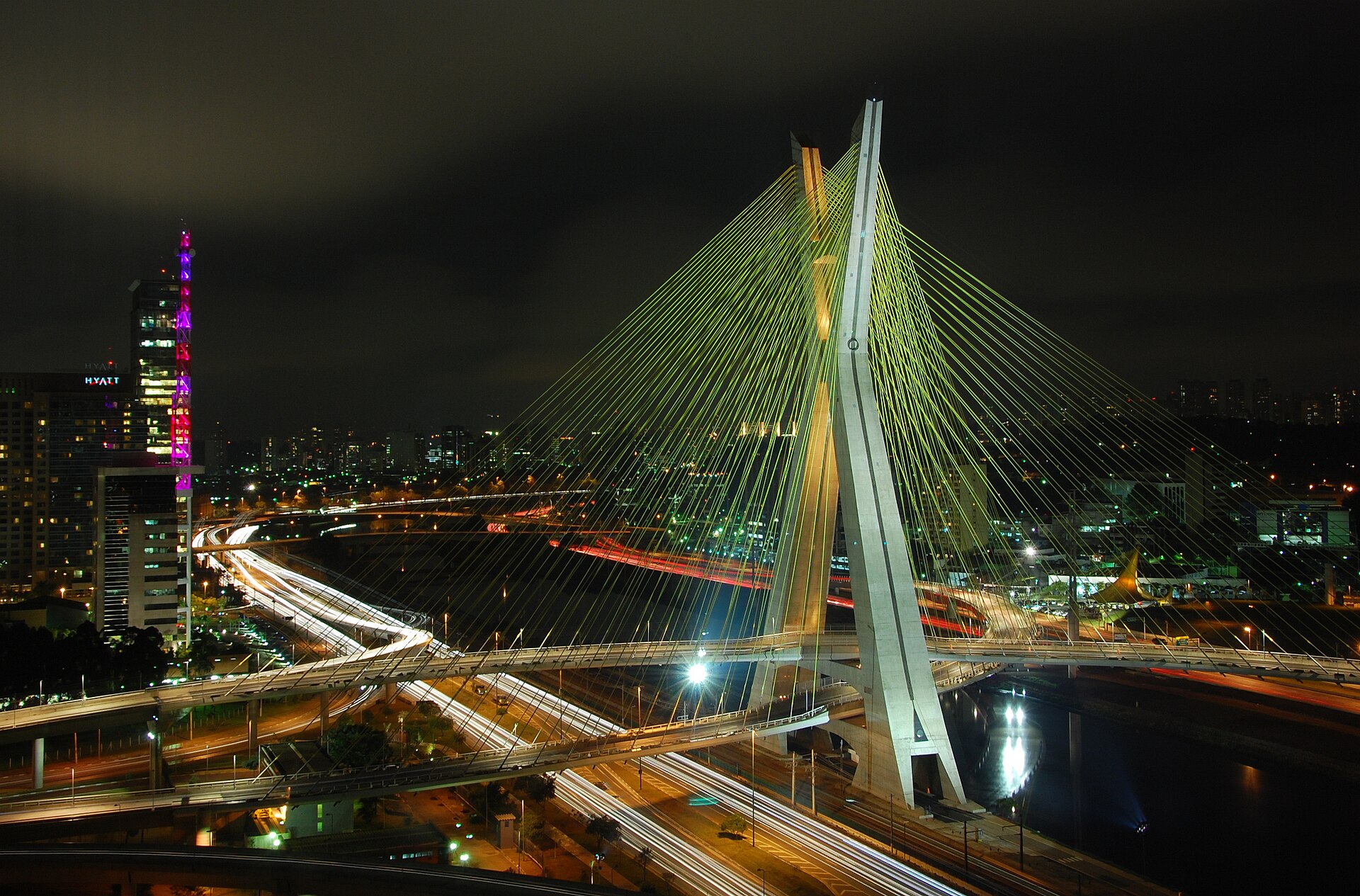
The striking pattern is geography. Four of the five main candidates, all but Zema, chose São Paulo to launch, rather than their home states or the capital.
The symbolism is sharpest for Flávio Bolsonaro, whose family base is Rio de Janeiro. Lula’s party, meanwhile, moved his event from a planned Brasília venue to the same city.
For a foreign reader, the logic is simple math. São Paulo is Brazil’s richest state and largest bloc of voters, so a launch there is a bid for the ground that decides national elections.
For investors, the window matters more than any single poll. A named running mate, a governor switching sides, or a coalition sealed here can move the race further than a month of campaigning.
Not every field is settled. Several minor candidates have yet to announce dates, and the coalition talks running through the window could still reshape who ultimately shares each ticket.
When are Brazil’s party conventions?
The electoral court set the convention window from July 20 to August 5, 2026. Flávio Bolsonaro’s party goes first on July 25, and President Lula’s party formalises his candidacy on August 2, with registration of all candidacies due by August 15.
What do party conventions decide?
Brazilian law requires candidates to be chosen at a party convention, since independent candidacies are not allowed. Conventions also confirm running mates and seal coalitions, which determine free broadcast airtime and campaign reach.
Background: Brazil’s Own VP Calls Its Tax System a ‘Madhouse’ That Repels Investors.
Background: our doing business in brazil a complete guide for foreign entrepreneurs guide.
Why are candidates launching in São Paulo?
Four of the five main presidential candidates chose São Paulo, Brazil’s richest state and largest voter bloc. The choice is notable for Flávio Bolsonaro, whose family base is Rio de Janeiro, and for Lula, whose party moved his event there from Brasília.
More: Brazil news in English, every day from The Rio Times.
Frequently Asked Questions
When is the window for Brazilian parties to hold conventions to make candidacies official?
The electoral court set the window for party conventions from July 20 to August 5.
Why are party conventions legally necessary for candidates in Brazil?
In Brazil there are no independent candidacies, so a person must belong to a party and be formally chosen at its convention to run for office. These gatherings also lock in running mates and seal coalitions that decide free television airtime and campaign reach.
What is the deadline for parties to register their candidates for the October 4 vote?
Parties have until August 15 to register their candidates for the first-round vote on October 4.
Connected Coverage
Brazil Election 2026: Lula Leads as Campaign Rules Bite
This article was produced by The Rio Times’ automated newsroom system. How we use AI · Report an error · Editorial responsibility: Matthias Camenzind, Editor-in-Chief
Living in or visiting São Paulo? See this month's events and our São Paulo city guide with rents, safety and upcoming concerts.