Brazil’s Current Account Deficit Widens to US$8.11 Billion in July
Brazil · EXTERNAL ACCOUNTS
Key Facts
- —July gap Brazil’s current account deficit hit US$8.11 billion, against a US$6.6 billion consensus.
- —Twelve months The rolling shortfall stands at US$62.9 billion, or 2.49% of gross domestic product.
- —Funding Direct investment in the country reached US$88.4 billion over twelve months, 3.50% of output.
- —Currency flow August flows to the 24th were negative by US$3.05 billion, central bank data show.
- —Intervention The central bank sold US$1 billion spot and matched it with a reverse swap.
The July gap came in above forecast, and the central bank stepped into a thinning dollar market.
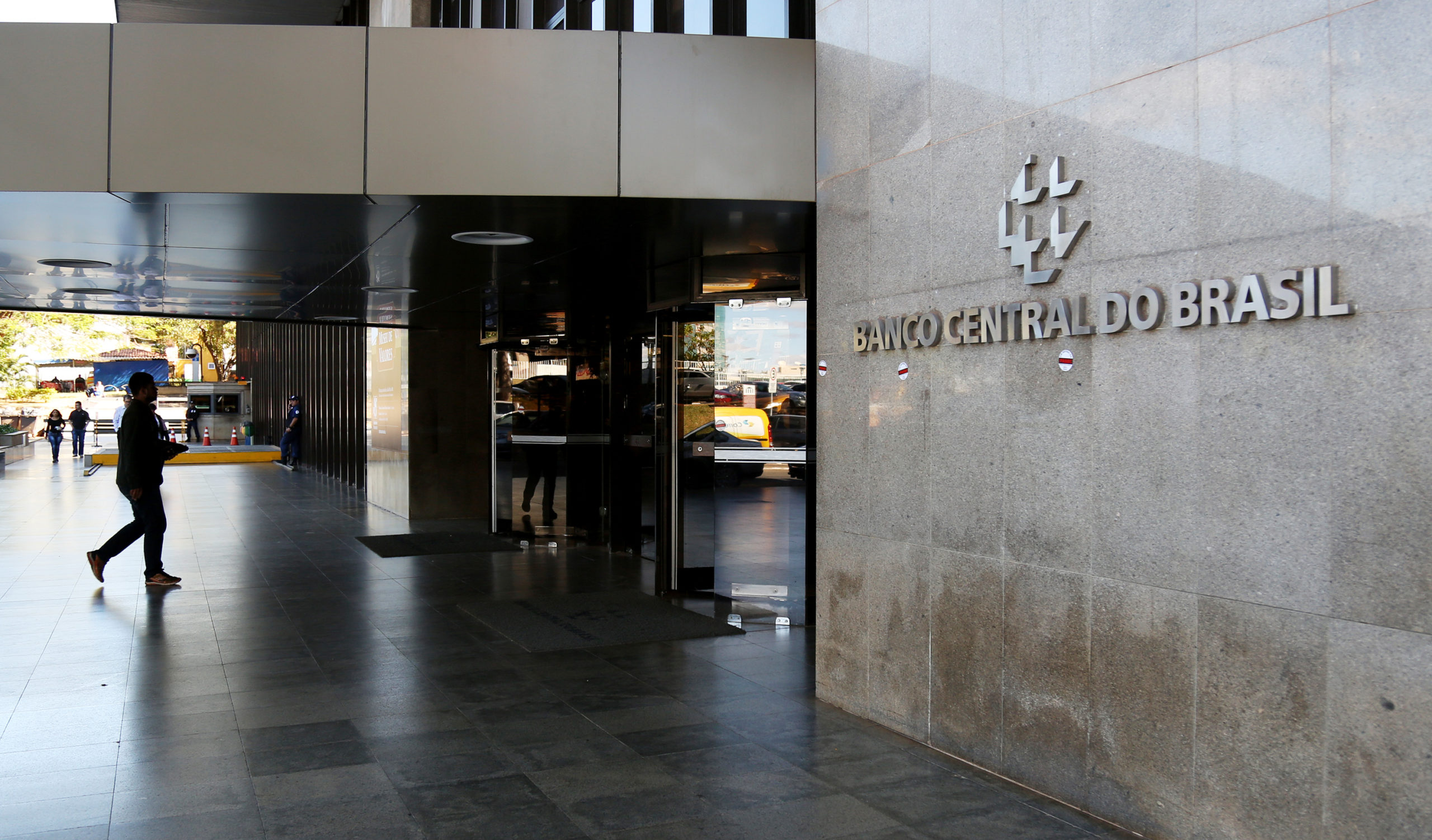
Brazil’s current account deficit reached US$8.11 billion in July, the widest July shortfall since 2019. The Banco Central do Brasil (BCB) published the figure on 27 August 2026.
What the July figures showed
The July shortfall came to US$8.11 billion, against US$6.94 billion in the same month of 2025. Economists polled by Reuters had expected a gap of US$6.6 billion.
A separate survey by Projeções Broadcast put the median at US$6.70 billion, with estimates ranging from US$4.0 billion to US$9.0 billion. The result landed near the pessimistic end of that range.
Reuters described it as the largest July gap in seven years. Central bank series confirm that no July since 2019 has been worse.
Brazil’s current account deficit for the first seven months of 2026 now totals US$35.97 billion. That is money the country must attract from abroad to balance its books.
Where the gap opened up
The trade surplus, the one clearly positive line, came to US$6.15 billion. Exports rose 5.7% to US$34.2 billion, but imports rose faster, up 8.1% to US$28.1 billion.
Services ran a deficit of US$5.27 billion, up from US$4.81 billion a year earlier. Net transport costs jumped 26.3% to US$1.4 billion, and intellectual property payments rose 27.4%.
International travel left a net outflow of US$1.6 billion, 7.9% more than in July 2025. Brazilians spent US$2.5 billion abroad while receipts from visitors fell 2.9%.
Primary income, which covers profits, dividends and interest, showed a deficit of US$9.40 billion. Net interest payments rose 10.4% to US$4.6 billion, while profits and dividends held at US$4.8 billion.
Secondary income, largely money sent home by workers abroad, was the only other positive line. It added a modest US$404 million.
Does foreign investment cover the hole?
Direct investment in the country, which the BCB calls IDP, brought net inflows of US$7.46 billion in July. That fell short of the US$7.92 billion analysts had expected.
In July alone the IDP inflow did not cover Brazil’s current account deficit, falling US$650 million short. A year earlier the same month brought US$8.4 billion of direct investment.
Over twelve months the picture reverses, with IDP at US$88.4 billion against a US$62.9 billion gap. That is roughly 1.4 times the funding needed.
The BCB said direct investment continued to finance the shortfall comfortably. Most of the July inflow, US$4.5 billion, was profit that foreign owners reinvested in Brazil rather than sent home.
The twelve-month trend is still improving
Brazil’s current account deficit over the twelve months to July stood at US$62.9 billion. That is 2.49% of gross domestic product, the usual yardstick for judging external balances.
A year earlier the same measure was US$75.9 billion, or 3.51% of output. The annual gap has therefore narrowed sharply, even as single months look worse.
The rolling total did creep up from US$61.7 billion in June, when it equalled 2.47% of output. International reserves meanwhile rose US$2.2 billion in July to US$369.7 billion.
Currency flows turned negative in August
Contracted currency flow, known in Brazil as fluxo cambial, was negative by US$3.05 billion from 1 to 24 August. The figure tracks dollars actually bought and sold through banks, not accounting entries.
The trade channel was positive by US$2.74 billion, with export contracts of US$18.83 billion against import contracts of US$16.09 billion. The financial channel drained US$5.79 billion.
In the same stretch of August 2025, to the 22nd, the total outflow was only US$1.83 billion. The financial channel then lost US$1.81 billion, less than a third of this year’s drain.
The two windows are not identical, because last year’s count stopped on the 22nd and this year’s on the 24th. Banks ended the period with a sold dollar position of US$22.1 billion.
The paired auction on 27 August
On 27 August the BCB sold US$1 billion in the spot market, accepting twelve bids. At the same time it auctioned US$1 billion of reverse currency swaps, or 20,000 contracts.
Those swap contracts start on 28 August and mature on 1 October 2026, at a rate of 4.5610. Only two bids were taken on that leg.
The central bank said the purpose was to supply liquidity to the market. Traders call the paired trade a casadão, because the two legs are married to each other.
At the official rate of 27 August 2026 the sale was worth about R$5.16 billion (US$1 billion). PTAX is the reference rate the BCB publishes daily, and its selling side read R$5.1642 per dollar.
What a reverse swap actually does
A currency swap at the BCB is a contract settled in reais, with no dollars changing hands. In the usual version the bank pays out if the dollar rises, giving the market a hedge.
A reverse swap, swap cambial reverso in Portuguese, flips the sides. The central bank now gains if the dollar rises, which is economically the same as buying dollars forward.
So the bank hands over real dollars today and books an offsetting forward purchase in the same breath. Its overall bet on the exchange rate barely moves.
That is the point of the pairing, and it is why the operation reads as plumbing rather than defence. Banks get the cash dollars they are short of, without the central bank pushing the rate.
How the real moved, and whether July was unusual
The real weakened about 1.7% against the dollar in August through the 27th. PTAX venda went from R$5.0773 on 31 July to R$5.1642 on 27 August 2026.
Its weakest reading of the month was R$5.2236 on 14 August, and its strongest R$5.0723 on 3 August. The currency therefore recovered part of the mid-month slide.
July is not the month when profit repatriation usually peaks in Brazil. Central bank series show remittances of profits and dividends spiking in December, not mid-year.
Profit remittances tied to direct investment came to US$2.59 billion in July, against US$2.30 billion a year earlier. The widening was driven by services and interest costs, not by a rush to send profits abroad.
More: Brazil news, every day from The Rio Times.
Frequently Asked Questions
How large is the shortfall in Brazil’s external accounts?
Brazil’s current account deficit was US$8.11 billion in July 2026. Over twelve months it stands at US$62.9 billion, or 2.49% of gross domestic product.
What is a reverse currency swap?
It is a contract in which the central bank gains when the dollar rises against the real. That makes it the economic equivalent of buying dollars in the futures market.
Did the central bank defend the real on 27 August?
The BCB sold US$1 billion spot but matched it with a reverse swap of the same size. It described the aim as supplying liquidity, so the net effect on the rate was meant to be neutral.
Connected Coverage
Brazil’s Poorest Households Carry Record Debt Into a Weaker 2027
Sources
- www.bcb.gov.br
- api.bcb.gov.br
- api.bcb.gov.br
- api.bcb.gov.br
- www.bcb.gov.br
- www.infomoney.com.br
- www.dgabc.com.br
- www.moneytimes.com.br
- www.metropoles.com
- www.933thedrive.com
- www.infomoney.com.br
- bpmoney.com.br
- olinda.bcb.gov.br
This article was produced by The Rio Times’ automated newsroom system. How we use AI · Report an error · Editorial responsibility: Matthias Camenzind, Editor-in-Chief