Brazil Court Annuls Odebrecht Evidence Used to Jail Peru’s Ex-President Toledo

PERU · BRAZIL · JUSTICE
Key Facts
What happened: Brazilian Supreme Court justice Dias Toffoli annulled the Odebrecht evidence used against Peru’s ex-president Alejandro Toledo.
How it came about: Toledo’s Brazilian lawyers asked the court to extend a 2023 ruling that voided Odebrecht’s plea-deal evidence.
Why he is jailed: Toledo is serving more than 20 years in Peru for taking US$35 million in bribes from the construction group.
The catch: The annulment binds in Brazil only, so it does not by itself overturn the Peruvian conviction.
The backdrop: Brazil has already suspended legal cooperation with Peru in Odebrecht matters over the same dispute.
What comes next: Toledo’s defense is expected to invoke the Brazilian ruling before Peruvian courts.
Brazil’s Supreme Federal Court has annulled the Odebrecht evidence used against Alejandro Toledo. The former Peruvian president is serving a 20-year sentence for the company’s bribes. The ruling binds in Brazil, but its echo will be heard in Lima.
What the Brazilian court decided
Justice Dias Toffoli of the Supreme Federal Court, Brazil’s top tribunal, ordered the annulment of the Odebrecht evidence deployed against Alejandro Toledo. Brazilian media reported the decision on 28 August 2026.
The evidence in question comes from the company’s 2016 leniency agreement. In it, Odebrecht executives confessed to paying bribes across Latin America, including in Peru.
Toledo’s Brazilian lawyers had petitioned the court earlier this week. They asked that a 2023 Toffoli ruling, which declared that evidence unusable, be formally extended to their client.
The justice agreed. The confessions that helped convict a Peruvian president are now void as a matter of Brazilian law.
Who Toledo is, and why he is in prison
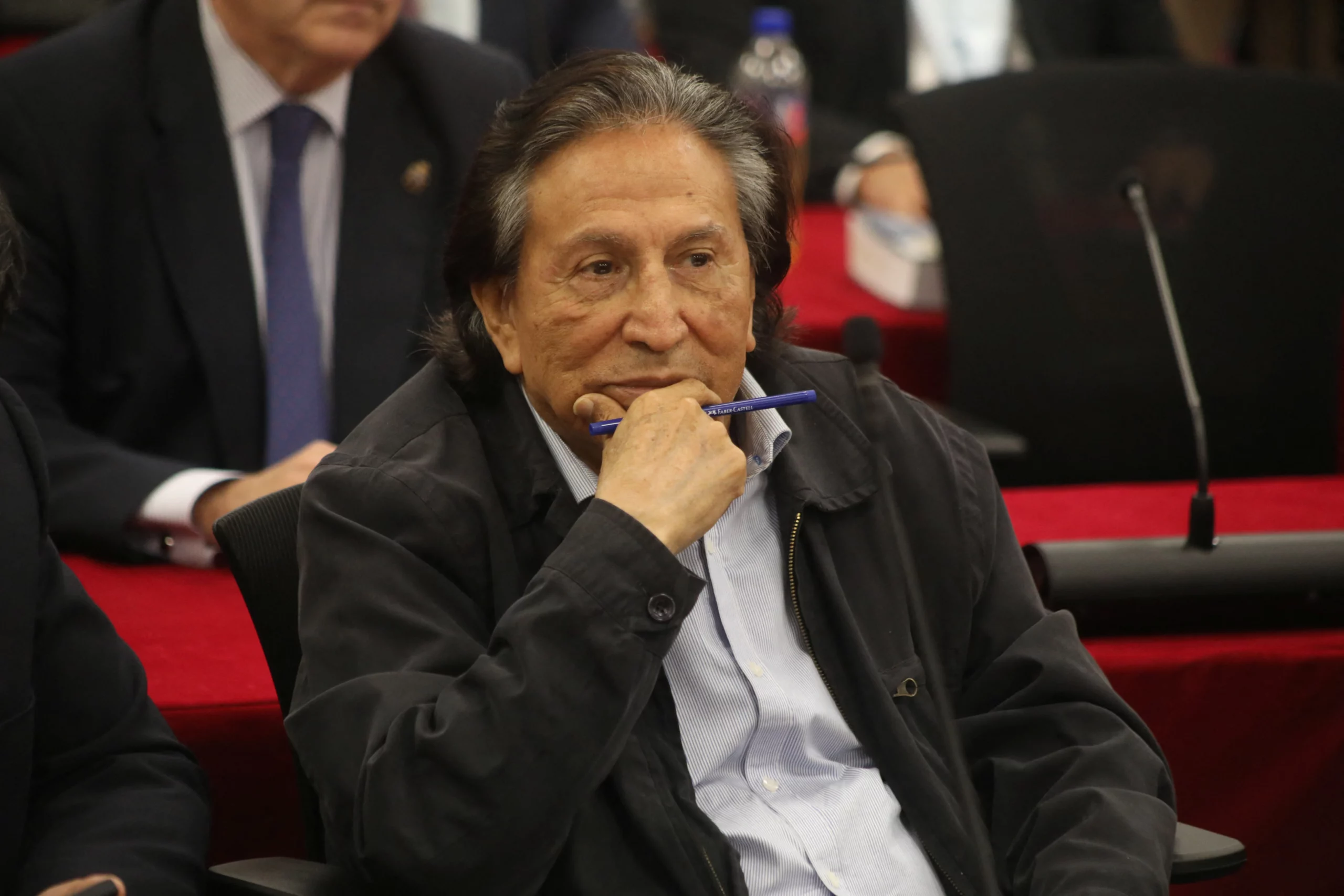
Alejandro Toledo led Peru from 2001 to 2006. He was the country’s first president of Indigenous heritage and, for years, a celebrated figure of the democratic transition.
That image collapsed with the Odebrecht scandal. Prosecutors established that he took US$35 million in bribes from the Brazilian construction giant.
The money bought the company contracts for the Interoceanic Highway. That road links Peru’s Pacific coast to Brazil through the Andes and the Amazon.
In October 2024 a Peruvian court sentenced Toledo to 20 years and six months in prison. He became the first former Peruvian president convicted in the Odebrecht case.
He was extradited from the United States in 2023 to stand trial. He is now in his early eighties and has repeatedly sought release on health grounds.
A ruling three years in the making
The Toledo decision is a branch of an older tree. In September 2023 Toffoli annulled all evidence obtained through Odebrecht’s plea deal, calling it illegal and abusive.
That ruling detonated under the entire Operation Car Wash edifice. The investigation, known in Brazil as Lava Jato, had jailed presidents and billionaires across the region.
Since then, beneficiaries have queued up for extensions. Former Odebrecht executives investigated in Peru obtained the same protection from the Brazilian court.
The dispute has also poisoned relations between the two countries’ justice systems. Brazil suspended legal cooperation with Peru in Odebrecht matters, first temporarily in 2025 and then definitively.
Brasília’s argument is that Peruvian courts keep using evidence Brazil has voided. Lima’s answer is that its convictions rest on independent proof.
What the annulment changes, and what it does not
The legal fine print matters here. A Brazilian annulment cannot cancel a Peruvian sentence, because each country’s courts are sovereign over their own cases.
What it does is hand Toledo’s defense a powerful argument. His lawyers can now tell Peruvian judges that the origin of the key evidence has been declared tainted.
Peruvian prosecutors have a prepared response. They have long argued that Toledo’s conviction also rests on money trails documented in Switzerland and on proof gathered in Peru.
For now, nothing about his daily reality changes. He remains an inmate of the Barbadillo prison in Lima, alongside other fallen presidents.
The wider unravelling of Car Wash
For foreign readers, the context is the slow reversal of Latin America’s biggest corruption purge. Operation Car Wash once looked like the region’s judicial coming of age.
Brazil’s courts have since voided much of it. Convictions fell, including those of current president Luiz Inácio Lula da Silva, and the lead prosecutor and judge face investigations themselves.
Peru resisted that tide longer than most. It convicted Toledo and, separately, prosecuted almost every living former president over Odebrecht money.
The Toledo annulment tests whether Peru’s verdicts can outlive the collapse of their Brazilian foundations. Other convicted politicians will be watching the same door.
The other Peruvian cases in the same boat
Toledo is not the only Peruvian leader whose fate hangs on Brazilian paper. Ollanta Humala, president from 2011 to 2016, was convicted over Odebrecht-linked campaign money.
This month a Peruvian court annulled that conviction and Humala walked free. The case showed how quickly these verdicts can move once the evidence is questioned.
Days later, a court archived the criminal-association charge against his wife, Nadine Heredia. The direction of travel in Lima is no longer one-way.
That context will shape how judges read Toffoli’s decision. A system already reviewing its Odebrecht verdicts now holds a formal annulment from the evidence’s country of origin.
What happens next
Expect a formal move in Lima within weeks. Toledo’s Peruvian defense team is expected to file for review of his conviction, citing the Brazilian ruling.
Peru’s judiciary then faces an uncomfortable choice. Upholding the sentence means trusting evidence its country of origin has disowned.
The politics cut both ways. Annulling a landmark anti-corruption verdict would be unpopular, but so is defying a fellow supreme court.
There is also a diplomatic bill coming due. Brazil’s suspension of legal cooperation still stands, and Peru needs that channel for dozens of open cases.
Reopening the channel may now require Lima to show it respects the Brazilian annulments. The Toledo file just became the test case for that bargain.
More: Brazil news, every day from The Rio Times.
Frequently Asked Questions
What did Brazil’s Supreme Court decide about Alejandro Toledo?
Justice Dias Toffoli annulled the Odebrecht evidence used against the former Peruvian president. The ruling extends a 2023 decision that voided all evidence from the company’s plea deal.
Why is Alejandro Toledo in prison?
A Peruvian court sentenced him in October 2024 to 20 years and six months. He was convicted of taking US$35 million in bribes from Odebrecht for highway contracts.
Does the Brazilian ruling free Toledo?
No. The annulment applies in Brazil, and Toledo remains in prison in Lima. His defense is expected to ask Peruvian courts to review the conviction in light of the ruling.
What was Operation Car Wash?
It was Brazil’s vast corruption investigation into Odebrecht and other builders, which exposed bribes across Latin America. Brazilian courts have since annulled much of its evidence and many convictions.
Connected Coverage
Read our account of Toledo’s 20-year sentence, his recent bid for release on health grounds, and how Brazil halted legal cooperation with Peru over the same evidence.
Sources: Poder360 (28 August 2026), JuriNews (28 August 2026), Transparency International Brazil OECD review (March 2026), Latin Lawyer, Global Investigations Review.
This article was produced by The Rio Times’ automated newsroom system. How we use AI · Report an error · Editorial responsibility: Matthias Camenzind, Editor-in-Chief