Brazil Confronts U.S. Tariff Shock with Multi-Billion Credit Shield for Exporters
Brazil is bracing for the impact of steep new trade barriers imposed by the United States, and the government is moving fast to limit the damage.
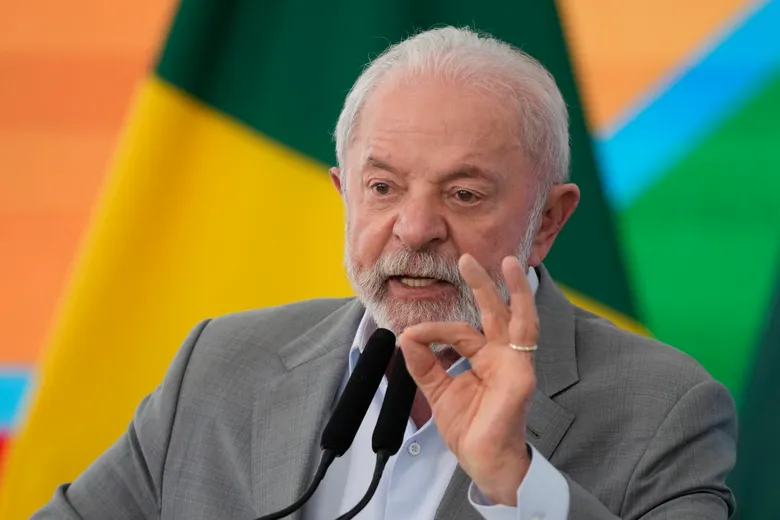
On August 13, 2025, President Luiz Inácio Lula da Silva confirmed that Brasília will release a R$30 billion credit package — about US$5.8 billion — to support exporters hit by a sudden 50% U.S. tariff on many Brazilian products.
The measure, in place since August 6, was ordered by President Donald Trump and officially linked to political tensions over former president Jair Bolsonaro’s trial.
According to Brazil’s Ministry of Development, roughly 36% of all Brazilian exports to the U.S. are now affected, covering goods like coffee, beef, tropical fruit, natural stone, and footwear.
The tariff excludes almost 700 products — such as orange juice, fertilizers, and aircraft parts — but these concessions do not shield many industries in states like São Paulo and Espírito Santo.
In Franca, a hub for shoe manufacturing, industry representatives warn of export losses near US$15 million this year and possible 1,200 job cuts. In the natural stone sector, dozens of small companies say they have reduced or halted operations.
Brazil has filed for consultations with the World Trade Organization, seeking a rules-based resolution rather than retaliatory tariffs. Lula says the loans will come through the BNDES development bank with below-market interest rates.
They will include a mandatory job-retention clause, tying financial help to the protection of employees. Government sources add that preferential public procurement rules will temporarily channel state purchases towards affected firms.
Brazil Faces US Tariff Hit Despite Short-Term Export Boost
Economic data show a short-term boost in exports to the U.S. — up 4.2% between January and July 2025, reaching US$23.7 billion — as companies rushed shipments before the tariff deadline.
Officials and analysts agree the true hit will come in late 2025, when new contracts take effect and price competitiveness erodes. The broader trade picture offers both risk and cushion.
Only about 12% of Brazil’s total exports go to the U.S., while China now takes around 28%, according to Brazil’s Foreign Trade Secretariat.
This diversification means the shock is partly contained, but replacing lost U.S. market share will pressure margins and force quick diversification, especially for smaller manufacturers.
The real story beneath the headlines is that this is as much about politics as it is about trade. U.S. officials openly link the tariffs to Brazil’s internal judicial process, an unusual move in modern trade disputes.
For Brazilian exporters, however, what matters most is survival — keeping factories running, workers employed, and finding new buyers fast.
Lula’s credit package is meant to buy that time. Whether it will be enough depends on how quickly Brazil can shift goods to new markets before the U.S. tariffs leave permanent scars on key industries.
More: Brazil news in English, every day from The Rio Times.
This article was produced by The Rio Times’ automated newsroom system. How we use AI · Report an error · Editorial responsibility: Matthias Camenzind, Editor-in-Chief
LatAm Markets: Live Signals → — real-time movers, turnover leaders and FX across Latin America.