BRAZIL · BUSINESS
Key Facts
—The freeze. A decree blocked R$24m (about $4.8m) of the budget of Brazil’s aviation regulator, ANAC.
—The headline hit. ANAC has paused new-aircraft certification, the step required before any plane can fly commercially in Brazil.
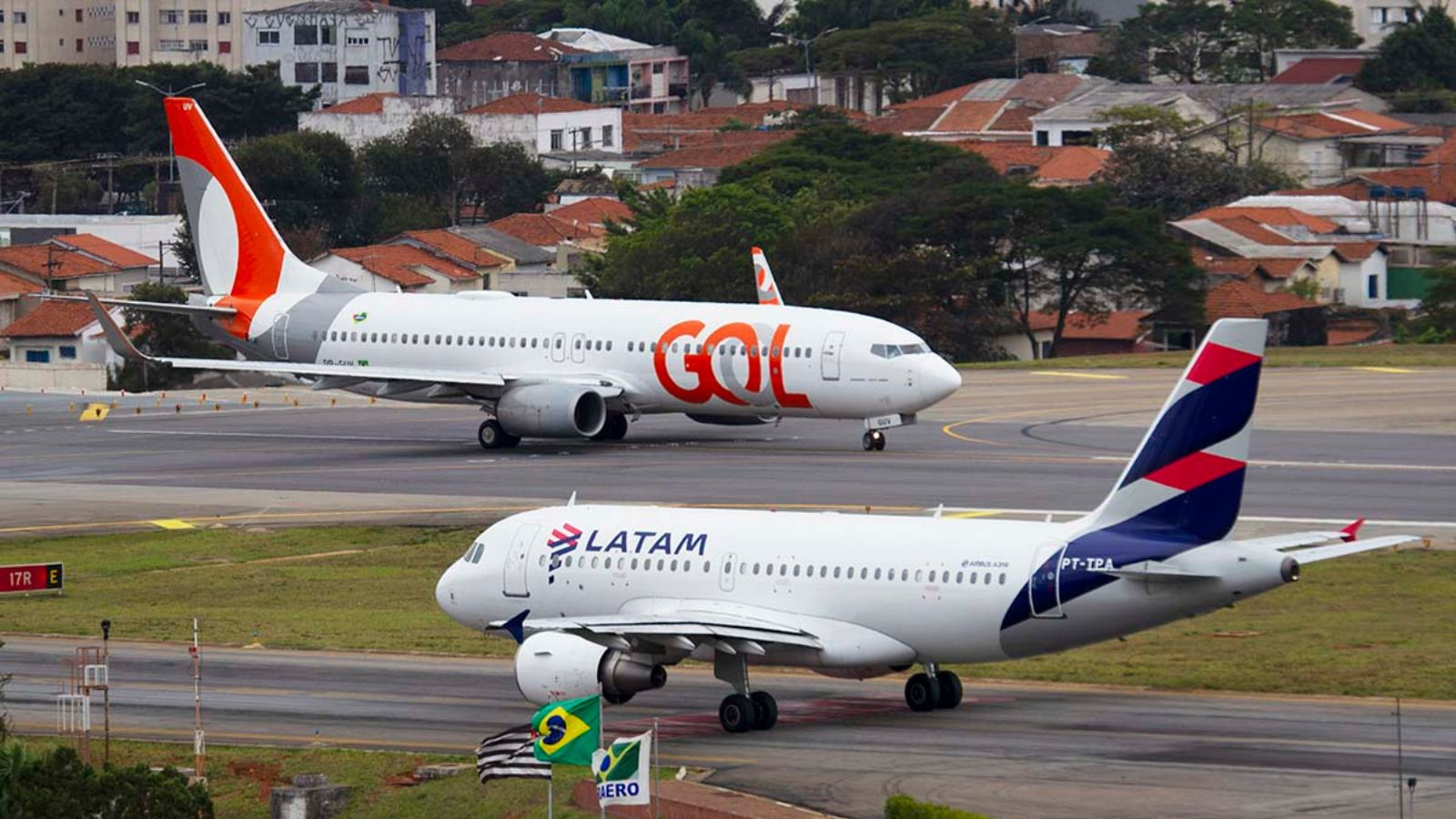
—Who is exposed. The pause mainly affects the country’s three big carriers, Gol, LATAM and Azul, as they try to grow fleets.
—More cuts. The agency had already cut inspections by 40 percent and suspended pilot and crew certification exams.
—The cause. The block stems from a May 29 decree tightening the federal budget to meet Brazil’s fiscal target.
—The timing. The squeeze lands as airlines race to add capacity amid strong travel demand and fleet shortages.
A government budget freeze has forced Brazil’s aviation regulator to halt aircraft certification, the approval planes need to enter service, threatening the fleet-growth plans of Gol, LATAM and Azul just as demand surges.
Why aircraft certification has stopped
The National Civil Aviation Agency, known as ANAC, said it has paused the process that certifies new aircraft for commercial use. Without that approval, a plane cannot legally fly in Brazilian airspace.
The cause is money. A federal decree dated May 29 blocked part of the agency’s budget, a cut ANAC puts at R$24m, or roughly $5m, as the government tightens spending to hit its fiscal target.
The certification freeze was first reported by Bloomberg and confirmed by Brazilian outlets. It is the most commercially sensitive item in a wider package of cutbacks the agency announced after the block.
Certification is a routine but mandatory gatekeeping step. Regulators check that each aircraft type and configuration meets airworthiness rules before it can carry paying passengers, and only the agency can grant that clearance.
What it means for Gol, LATAM and Azul
The pause lands hardest on Brazil’s three largest carriers. All three have been adding aircraft to meet robust travel demand and to ease the fleet shortages that have constrained the industry since the pandemic.
A new jet cannot enter revenue service until ANAC signs off. Each week of delay ties up aircraft that airlines have already ordered or leased, raising costs and capping the seats they can sell.
Leasing is the more painful case. A carrier that has agreed to pay for an aircraft it cannot yet fly is left covering the cost without the revenue that plane was meant to earn.
The timing is awkward. Fares in Brazil have already climbed sharply this year on higher fuel costs, and constrained capacity tends to push prices higher still.
The carriers have not detailed how many deliveries are at risk. But all three have been modernising fleets with more fuel-efficient jets, the kind of aircraft that become more valuable, not less, when fuel is expensive.
A wider regulatory squeeze
Certification is not the only casualty. ANAC said the block forced an immediate 40 percent cut to its inspection activities, covering airlines, aero clubs, repair shops and parts makers.
It also suspended certification exams for pilots and cabin crew, at a time when the sector already faces a shortage of qualified staff. The agency warned the cuts could hit operational safety and its own revenue.
Some of those activities generate fees, so pausing them can deepen the very budget hole that prompted the cuts. A committee of federal regulators flagged the same self-defeating loop across several agencies.
The block was part of a far larger fiscal adjustment, with the government freezing tens of billions of reais in discretionary spending across ministries and agencies. ANAC is one of many bodies told to do more with less.
ANAC also said it would shed outsourced staff, freeze technology investment and pull back from international forums where it represents Brazil. That last point could weaken the country’s voice in global aviation rule-making.
Why it matters beyond the airlines
For passengers, the near-term effect is indirect but real, with fewer new planes meaning tighter capacity and firmer fares. For investors, it is a reminder of how fiscal policy can spill into operating performance.
The episode also touches Brazil’s standing as an aviation power, home to planemaker Embraer and a large domestic market. A regulator that cannot certify aircraft is a bottleneck the whole sector has to plan around.
It also raises a governance question that recurs in Brazil. Regulators funded through the general budget are vulnerable to cuts that have little to do with the industries they oversee, even when those industries are paying fees into the system.
How quickly the block is eased will determine the damage. A short pause is an inconvenience; a prolonged one would start to reshape airlines’ growth plans for the year.
Pressure to reverse the cut is already building from the industry and from the regulators’ own committee. Whether the government restores the funds, and how fast, is now the variable the sector is watching most closely.
Until then, the certification queue simply lengthens. Aircraft sit idle, growth plans slip, and the cost of a relatively small budget line is felt across a far larger industry.
More: Brazil news in English, every day from The Rio Times.
Frequently Asked Questions
What did ANAC pause?
It paused the certification of new aircraft, the approval a plane needs before it can fly commercially in Brazil. It also cut inspections and suspended pilot and crew exams.
Why did this happen?
A May 29 federal decree blocked part of ANAC’s budget, a cut the agency puts at R$24m (about $4.8m), as the government tightens spending to meet its fiscal target.
Which airlines are affected?
Mainly Brazil’s three largest carriers, Gol, LATAM and Azul, which are trying to add aircraft. New planes cannot enter service until ANAC certifies them.
Could it affect ticket prices?
Indirectly, yes. Constrained capacity tends to push fares higher, and Brazilian fares have already risen sharply this year on higher fuel costs.
Connected Coverage
For more on the sector, see our coverage of Embraer’s record order backlog, the safety crackdown when Brazil grounded Voepass over safety concerns, and how the region fares in global airline rankings.
This article was drafted with automated assistance and reviewed before publication. How we use AI · Report an error · Editorial responsibility: Matthias Camenzind, Editor-in-Chief