Bolivia’s State of Emergency: Roads Reopen as Chapare Holds
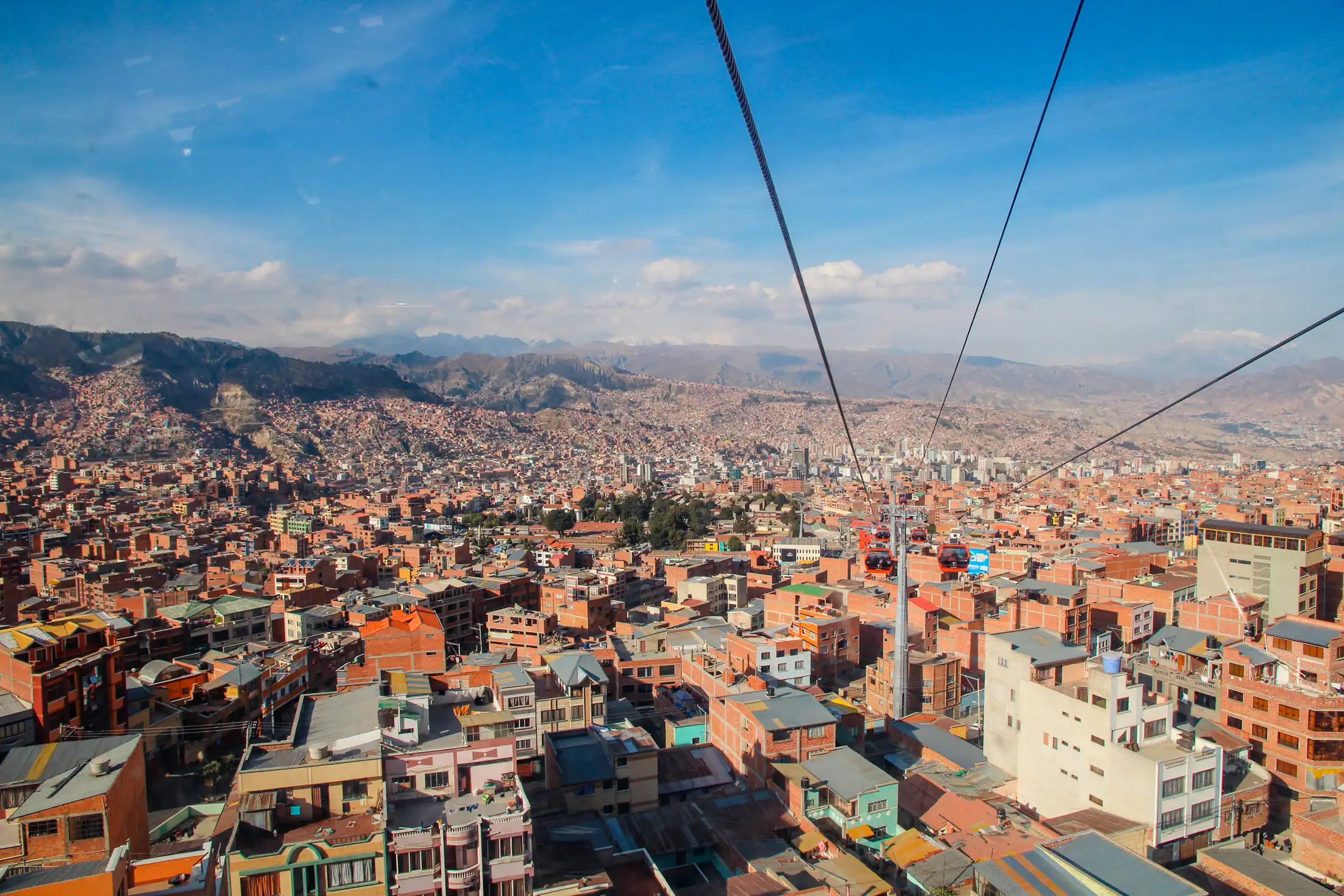
*Bolivia's Congress overwhelmingly ratified President Paz's 90-day state of emergency, clearing more than 100 protest blockades from the country's highways — though the cocalero stronghold of Chapare held out and a military relief flight crashed, killing all six aboard.*
Bolivia’s state of emergency has cleared the country’s main highways for the first time in weeks. A day after President Rodrigo Paz declared it, Congress ratified the 90-day decree and the national highway authority reported no active protest blockades — even as the entrenched Chapare dug in.
Key Facts
- Ratified. Congress overwhelmingly approved President Paz’s 90-day state of emergency early Sunday.
- Roads reopened. The highway authority reported 28 active roadblocks still persisted, down from more than 100 at the peak.
- Chapare holds. Troops have not entered the Evo Morales-aligned cocalero stronghold, where cuts persist.
- A relief flight crashed. An air-force aircraft on an assistance run from El Alto to Cochabamba went down, killing all six aboard.
- Travel read. Fly, don’t drive where Chapare and Cochabamba cuts remain; La Paz and El Alto are easing.
Congress backs the decree
Early on Sunday, Bolivia’s Legislative Assembly overwhelmingly approved the decree, which bans blocking streets and highways in ways that hit transport and supplies. It lets the armed forces support police in reopening roads and protecting the population.
The measure runs up to 90 days but can be lifted sooner if the violence ends. In zones declared in conflict, authorities may impose curfews and limit movement and gatherings.
The roads reopen
By Sunday the Administradora Boliviana de Carreteras reported 28 active roadblocks still persisted nationwide, after revising its tally down from more than 100 at the peak. Many roads still need clean-up and repair from weeks of damage.
The day brought several breakthroughs. Officials and protest leaders in Santa Cruz signed an accord to lift a critical blockade at San Julián, and a prominent La Paz campesino federation announced it would pause its protest until next week, though it said its demands still stand. However, the main union’s earlier peace accord has not stopped Evo-aligned sectors from continuing their blockades.
Where it is still tense
Security forces, clearing highways since Saturday, had not entered the Chapare, the coca-growing stronghold of former president Evo Morales, where blockades remained on Sunday. The government accuses Morales of instigating the unrest to gain leverage in a judicial case against him.
Interior Minister Marco Antonio Oviedo declined to rule out an operation to capture Morales, saying forces would act “at the appropriate time.” That standoff is the single biggest wildcard for the days ahead.
A deadly relief flight
The day was overshadowed by tragedy. An air-force aircraft on an assistance flight from El Alto to Cochabamba crashed, killing all six aboard — four civilians and two crew, the defense ministry said.
The unrest, which has run about 50 days, has left at least 17 people dead, many from a lack of medical care as transport collapsed, with losses estimated near US$2.8 billion. The easing on Sunday coincided with the Andean-Amazonian New Year.
What it means for foreign residents
For expats and travelers, the rule of thumb holds: fly, don’t drive, wherever Chapare and Cochabamba cuts persist. The decree’s movement limits can change by the hour in conflict zones, so verify conditions before any intercity trip.
La Paz and El Alto are easing but not fully back to normal, with lingering fuel and supply gaps as roads are repaired. Keep cash and essentials on hand, confirm flights with your carrier, and check consulate advisories before you move.
Background: our bolivia economy elections guide.
More: Bolivia news in English, every day from The Rio Times.
Frequently Asked Questions
Is Bolivia’s state of emergency still in force?
Yes — Congress ratified the 90-day decree early Sunday. It can be lifted sooner if the violence ends, and it allows curfews and movement limits in zones declared in conflict.
Are the roads open again?
The highway authority reported no active protest blockades nationwide by Sunday, down from more than 100 at the peak. Many roads still need repair, and the Chapare region stays blocked.
Is it safe to travel in Bolivia now?
La Paz and El Alto are easing but not normal, and the Chapare and parts of Cochabamba remain tense. Fly rather than drive on affected corridors and confirm conditions with your carrier and consulate.
What happened with the air-force crash?
An aircraft on an assistance flight from El Alto to Cochabamba crashed, killing all six people aboard, the defense ministry said. The cause was not immediately given.
Why did the protests start?
President Paz cut long-standing fuel subsidies to curb the deficit, which fed inflation. Unions, rural groups and Morales supporters demanded he resign before the blockades wound down.
Connected Coverage
- Bolivia declares a state of emergency: the army moves in
- Bolivia’s first talks end without a deal
- Bolivia’s blockades and La Paz: a travel update
- Bolivia floats the boliviano as an IMF deal nears
- LatAm Expat & Nomad Daily Guide — Monday, June 22
This article was produced by The Rio Times’ automated newsroom system. How we use AI · Report an error · Editorial responsibility: Matthias Camenzind, Editor-in-Chief
Expat Guide to Bolivia
What The Rio Times publishes for foreigners who live in or move to Bolivia.
Start here
- Best Places to Live in Bolivia for Expats in 2026
- Cost of Living La Paz 2026 — Budgets, Rent and Dollar Access
- Opening a Bank Account in Bolivia as a Foreigner
- Taxes in Bolivia for Expats: Territorial Income, Global Assets
Coming up in Bolivia
Understand Bolivia