Bolivia Declares a 90-Day State of Emergency as the Army Clears the Roads
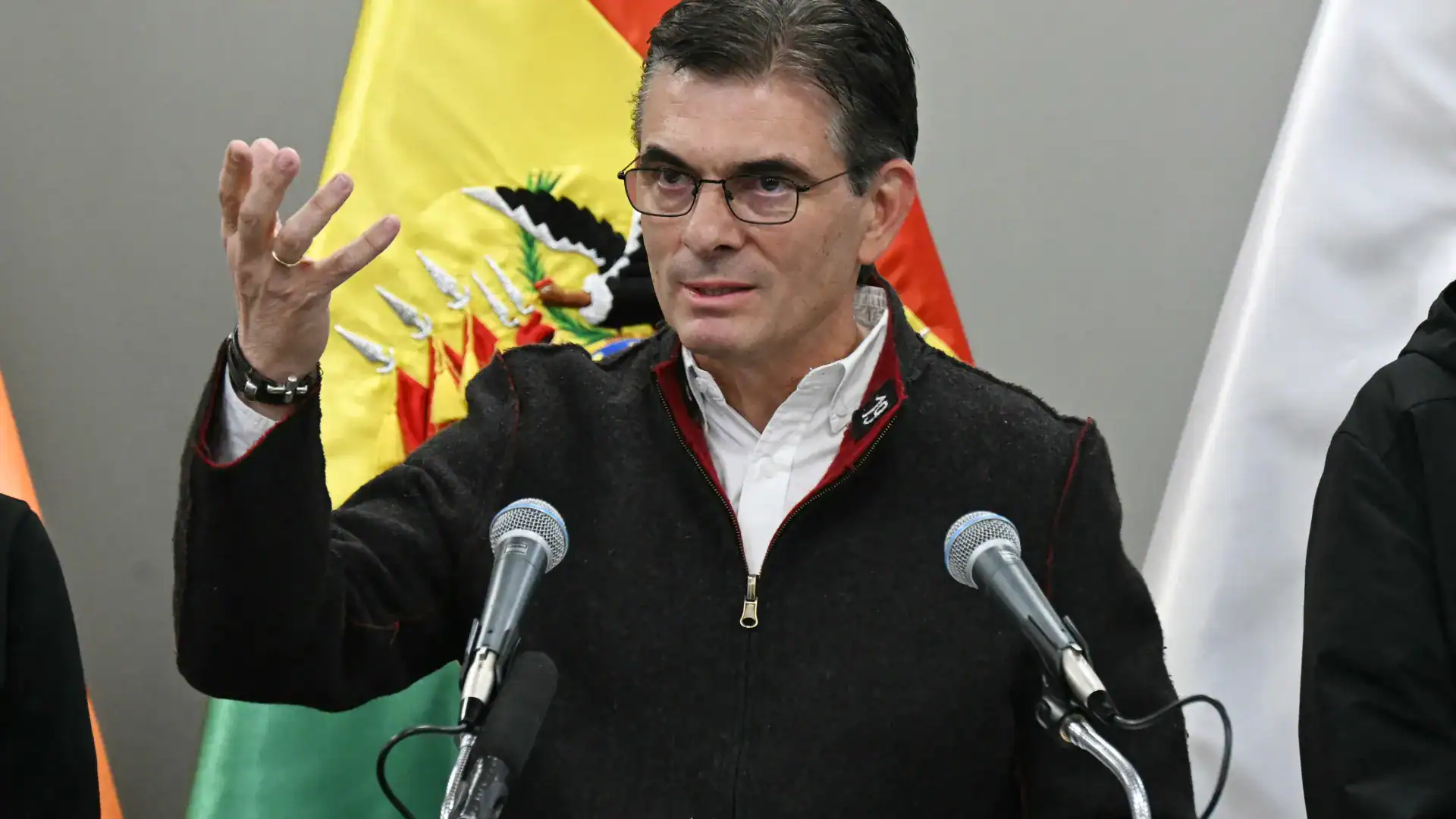
Bolivia woke on Saturday to soldiers on its highways. President Rodrigo Paz has declared a 90-day state of emergency and ordered the military to clear the roadblocks that have strangled fuel and food for nearly two months.
Key Facts
- A 90-day decree. President Paz declared a state of emergency early Saturday and sent the army to reopen the roads.
- The trigger. Nearly 50 days of blockades over scrapped fuel subsidies had isolated La Paz.
- The toll. At least 17 dead, 365 arrests and emptied shelves, with some hospitals short of oxygen.
- A partial deal. The main union signed a peace accord, but Evo-aligned sectors keep blocking.
- Travel read. Fly, don’t drive where Chapare-area cuts persist, and check local rules first.
A state of emergency
Addressing the nation early on Saturday, Paz said the blockades were no longer a social protest but an organised attempt to destabilise Bolivia’s democracy. The decree took immediate effect.
He framed it as a measure to restore movement rather than restrict it, promising to “give people back their freedom”. Congress must approve or reject the decree within 72 hours.
What the decree does
The order empowers the armed forces to temporarily support the police in reopening roads and protecting the population. It specifically bans blocking streets and highways in ways that hit transport and supplies.
The measure runs for up to 90 days, but the government says it can be lifted sooner if the violence ends. In declared conflict zones, authorities may impose curfews and limit movement and gatherings.
How Bolivia got here
The unrest began about 50 days ago, after Paz scrapped long-standing fuel subsidies to shrink the deficit. The cuts fed inflation, and protests led by unions, rural workers and supporters of former president Evo Morales demanded he resign.
Barricades on key roads effectively cut off the administrative capital, La Paz. Tanker trucks were stranded, and swathes of the economy ground to a halt.
The human toll
At least 17 people have died, most from a lack of medical care as transport collapsed, according to the ombudsman’s office and rights groups. Authorities report 365 arrests and 37 injuries.
Supermarket shelves emptied and some hospitals ran out of oxygen during the worst of it. By Saturday afternoon around 35 blockades remained, down from more than 100 at the peak.
The deal and the holdouts
On Friday night Paz signed a pacification accord with the COB, the main labour union, whose leaders had called for the blockades to lift. But Evo-aligned sectors rejected it and kept their roads cut.
The entrenched Chapare cocaleros and Túpac Katari farmers vowed to confront the security forces, and troops had not yet reached the toughest holdouts. Washington, for its part, pledged US$20 million to help fight drug trafficking and organised crime.
What it means for foreign residents
For expats, the rule of thumb stays simple: fly, don’t drive, wherever Chapare and Cochabamba cuts persist. The decree’s movement limits can shift by the hour in conflict zones, so verify conditions before any intercity trip.
La Paz and El Alto are easing but not yet back to normal, with lingering fuel and supply gaps. Check with your carrier and consulate, and keep cash and essentials on hand.
Background: our bolivia economy elections guide.
More: Bolivia news in English, every day from The Rio Times.
Frequently Asked Questions
What is Bolivia’s state of emergency?
It is a 90-day decree that lets the military clear the roadblocks that have cut fuel and food. It took effect on Saturday, and Congress must ratify it within 72 hours.
How long will it last?
Up to 90 days, though the government says it can be lifted sooner if the violence and threats against the population stop.
Is it safe to travel to Bolivia right now?
La Paz and El Alto are easing but not normal, and conflict zones may see curfews. Fly rather than drive, and confirm conditions with your carrier and consulate.
Why are people protesting?
Paz cut long-standing fuel subsidies to curb the deficit, which fed inflation. Unions, rural groups and Morales supporters want him to resign.
Are the roads open?
Many are reopening as the army moves in, but entrenched Chapare and Túpac Katari blockades persist. Around 35 remained on Saturday, down from over 100 at the peak.
This article was produced by The Rio Times’ automated newsroom system. How we use AI · Report an error · Editorial responsibility: Matthias Camenzind, Editor-in-Chief
Expat Guide to Bolivia
What The Rio Times publishes for foreigners who live in or move to Bolivia.
Start here
- Best Places to Live in Bolivia for Expats in 2026
- Cost of Living La Paz 2026 — Budgets, Rent and Dollar Access
- Opening a Bank Account in Bolivia as a Foreigner
- Taxes in Bolivia for Expats: Territorial Income, Global Assets
Understand Bolivia