Key Facts
- Bolivia’s foreign public debt reached about US$14,238.5 million at the end of July 2026, according to the Central Bank (BCB).
- That is roughly US$74 million higher than in December 2025, when it stood near US$14,164.3 million.
- Multilateral lenders hold about 71% of the debt. The Inter-American Development Bank (IDB) alone is owed close to US$4.37 billion.
- The IDB approved a US$204.2 million loan to modernize electricity in Bolivia’s northern Amazon, reaching about 209,000 people.
- President Rodrigo Paz says companies with about US$55 billion in possible investment have shown interest in the country. Treat that as a government claim.
- Former president Jorge “Tuto” Quiroga is pushing for a partial reform of the constitution.
A nine-month-old government is betting on foreign money to lift the country out of a fuel-and-dollar squeeze — while the bills from the past keep arriving.
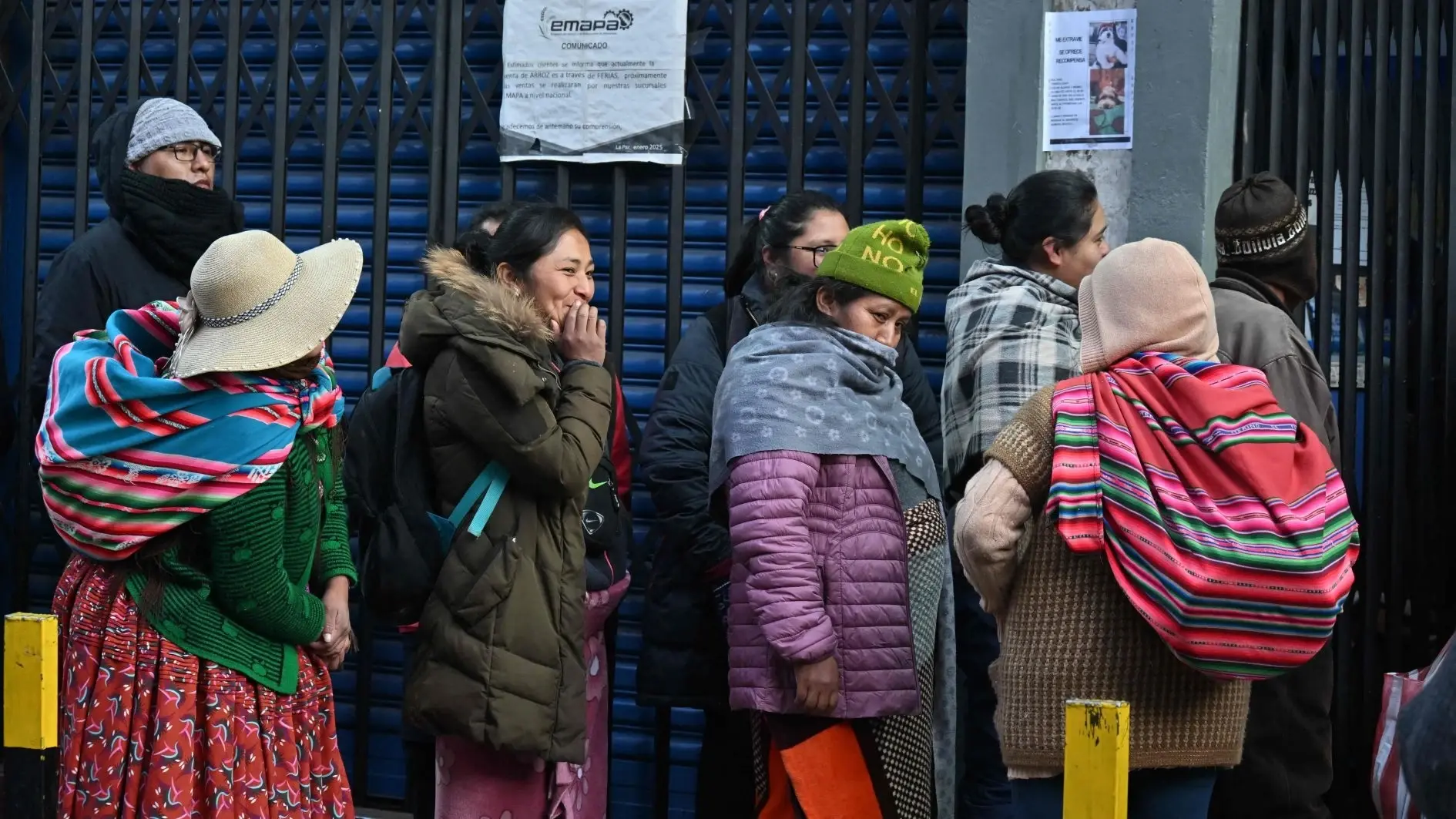
Bolivia’s foreign debt has climbed again, and the new government wants you to look at the other side of the ledger. The Central Bank says the country owed about US$14,238.5 million to lenders abroad at the end of July 2026. President Rodrigo Paz, in office since November 2025, is answering with a pitch: fresh loans, a big power project for the Amazon, and a claim that tens of billions in investment are waiting at the door.
What Bolivia’s foreign debt actually adds up to
The number comes from the Banco Central de Bolivia, the country’s central bank, and it was reported on August 13. Foreign public debt is simply the money the Bolivian state owes to lenders outside the country.
At US$14,238.5 million, it is up about US$74 million since the end of 2025. Most of it is not owed to hedge funds or bond traders. Roughly 71% is owed to development banks that lend to governments.
The IDB is the biggest single creditor, at close to US$4.37 billion. Next come CAF, a regional development bank, and the World Bank. China is the largest single country Bolivia owes, at just over US$1 billion.
A US$204 million plan to light up the Amazon
The headline project is a power upgrade for Bolivia’s far north. In late July the IDB approved US$204.2 million to strengthen the electricity system in the Amazon region, and Paz called the credit “key.”
The money will connect isolated towns — Cobija, Guayaramerín and Riberalta — to Brazil’s power grid across the border. It also funds solar plants and batteries to cut the use of costly diesel generators in remote areas.
About 209,000 people in the Beni and Pando departments are set to benefit. The government also expects to save money it now spends importing diesel to make electricity.
The US$55 billion question
Here is the claim that grabs attention. Paz has said that at a business gathering in San Ignacio de Velasco, companies representing some US$55 billion in possible investment showed interest in Bolivia.
Read that as a political promise, not a signed deal. It is a government figure, and no contracts, permits or spending have been confirmed to back it up.
The context matters. Foreign direct investment in Bolivia has been tiny for years — the government itself says it does not top 2% or 3% of the economy, against 20% to 30% in some neighbors. Paz has sent an investment law to Congress to try to change that, promising legal security to investors who were scared off by past nationalizations.
Quiroga and the push to rewrite the rules
The debate is not only about money. Jorge “Tuto” Quiroga, who was president in 2001 and 2002 and now leads the opposition Libre alliance, is calling for a partial reform of the constitution.
He wants targeted changes, not a full rewrite by a special assembly. He frames it as a “historic window” to fix laws on energy, mining, investment and trade, and he says the clock is ticking.
For a country still shaped by a 2009 constitution written under the long rule of the left, that is a loaded idea. It signals a broader fight over how open Bolivia should be to private capital.
Why this matters if you live in or invest in Latin America
Bolivia is in a real economic pinch, and you can see it on the ground. There are shortages of fuel and of US dollars, long lines at some gas stations, and a boliviano that has weakened well past its old official rate.
If Paz’s bet works, cheaper energy and new investment could steady prices and the currency across the region’s supply chains. If it does not, a rising debt load and unmet promises could deepen the crisis — and that ripple reaches anyone doing business, traveling or holding assets nearby.
More: Bolivia news in English, every day from The Rio Times.
Frequently Asked Questions
How much foreign debt does Bolivia have in 2026?
Bolivia’s foreign public debt was about US$14,238.5 million at the end of July 2026, according to the Central Bank (BCB). That is up roughly US$74 million since December 2025.
What is the US$204 million Amazon electricity plan?
It is a US$204.2 million loan the Inter-American Development Bank approved in July 2026. It will link remote northern towns to Brazil’s grid and add solar power, reaching about 209,000 people in Beni and Pando.
Did companies really pledge US$55 billion to invest in Bolivia?
No. President Paz said companies representing about US$55 billion showed interest at a business event. It is a government claim, with no signed contracts or confirmed spending behind it yet.
What constitutional reform is Tuto Quiroga proposing?
Former president Jorge “Tuto” Quiroga is urging a partial reform of Bolivia’s constitution, not a full rewrite. He wants faster changes to laws on energy, mining, investment and trade.
Sources: Banco Central de Bolivia (BCB) via El Deber and RTVU; Inter-American Development Bank (IDB); La Razón; El Día; El Deber; Erbol; Reuters. Investment-interest and job figures are government claims and are attributed as such.
This article was produced by The Rio Times’ automated newsroom system. How we use AI · Report an error
In depth
Read More from The Rio Times